
Reviewed · YANAR DAG BURNING MOUNTAIN TOURS
Baku: Burning Mountain & Zorastrian Temple Private Tour
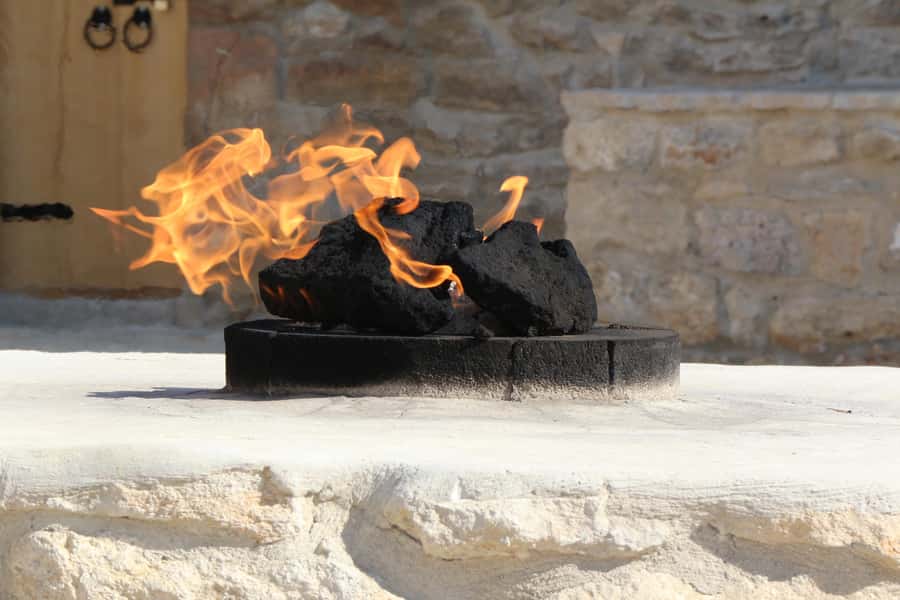
The most striking thing about this four-hour Absheron tour is that the fire is real. At Ateshgah, you see a temple built around natural gas flames and learn how Zoroastrians, Hindus, and Sikhs treated this area as sacred. At Yanar Dag, gas still burns from the side of a low hill.
I like the private pickup from anywhere in Baku, and I like the mix of major sights with Yashil Bazaar, where locals shop for fruit, greens, cheese, and other food. The main consideration is pace: four hours covers a lot, but you will not have long for lingering, shopping, or a full meal.
In This Review
- Key points to know before booking
- Why Azerbaijan’s fire country matters
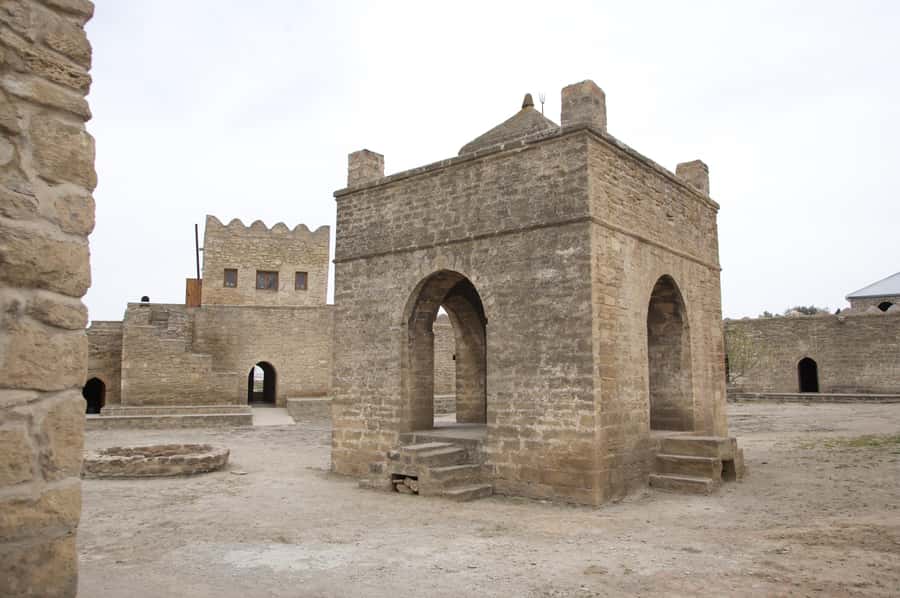
- Ateshgah Temple and its central flame
- Yanar Dag, the burning hill
- A quick view of the Heydar Aliyev Center
- Yashil Bazaar and the useful final stop
- How the private format affects the experience
- Is $82 per person good value?
- Timing, comfort, and what to bring
- Who should book this Absheron outing?
- Should you book the Burning Mountain and Zoroastrian Temple tour?
- FAQ
- Where does the tour begin?
- How long does the tour last?
- Is the tour private?
- Which languages are available?
- What is included in the price?
- Are food and drinks included?
- How long is the stop at Ateshgah Temple?
- How long is the visit to Yanar Dag?
- Is the Heydar Aliyev Center an interior visit?
- Can I cancel the booking?
Key points to know before booking
- Ateshgah Temple puts Azerbaijan’s fire traditions into a real place, not just a museum display.
- Yanar Dag is a burning hillside, not a tall mountain, with flames spreading across roughly 10 meters of slope.
- Yashil Bazaar adds everyday Baku life after the historical and natural sights.
- The private format gives you hotel, apartment, or cafe pickup anywhere in Baku.
- The short Heydar Aliyev Center stop is for photographs, not an interior museum visit.
- The $82 price includes transport, guides, and entry fees, but not meals or drinks.
Why Azerbaijan’s fire country matters
Azerbaijan’s connection with fire is not just a clever tourism theme. Gas rises through the ground in parts of the Absheron Peninsula, and when it meets oxygen, it can catch fire. That natural fuel helped make the area important to fire worshippers and gave Azerbaijan its long association with eternal flames.
This tour gives you two different ways to see that tradition. Ateshgah is a human-built religious site, shaped by worship and trade. Yanar Dag is the natural event itself, with gas burning directly from the earth.
That contrast makes the outing worthwhile. At one stop, you study a courtyard, cells, arches, and a central altar. At the other, you watch fire lick across a bare slope. You get context, then a memorable visual payoff.
The Ateshgah complex sits near Surakhani village, about 30 kilometers from central Baku. Yanar Dag is about 25 kilometers north of Baku. The distances are manageable by car, but walking between the sites is not practical, so included transportation matters.
More yanar dag burning mountain tours in Baku:
- Baku: Gobustan, Volcanoes, Fire Temple and Yanardag Day Trip
★ 4.7 · 433 reviews - Gobustan & Mud, Fire Temple, Burning Mountain (Group & Private)
★ 4.5 · 418 reviews - Gobustan, Mud volcanoes, Fire temple, Fire mountain PRIVATE TOUR
★ 5.0 · 47 reviews
Ateshgah Temple and its central flame
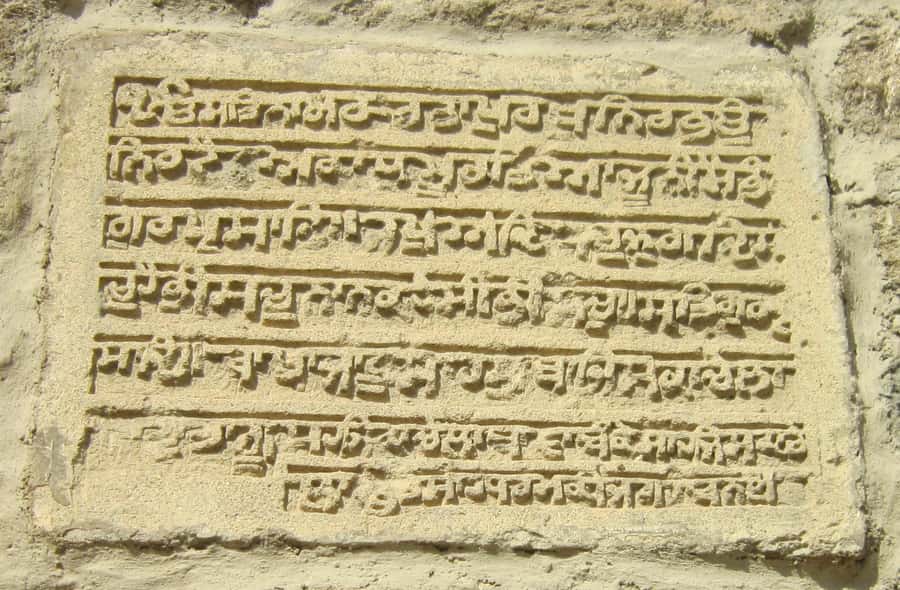
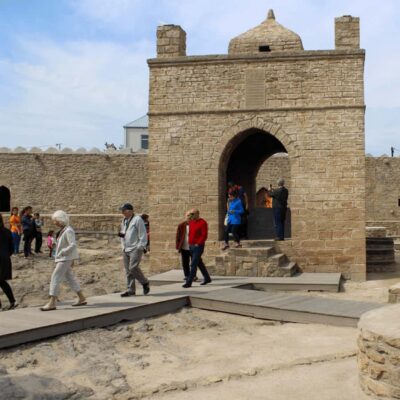
Ateshgah is the strongest historical stop on the tour. The present complex was built during the 17th and 18th centuries by a Hindu community based in Baku and connected with Sikhs. It was also revered by Zoroastrians, who saw naturally burning gas as a sign of divine power.
The word temple can make you picture one large prayer hall. Ateshgah is better understood as a fortified courtyard complex. Rooms line the inside of the walls, and the central area focuses attention on the fire. The layout lets your guide explain how people lived, worshipped, and passed through this place.
The site is especially useful for understanding that Azerbaijan’s fire worship was not limited to one modern religious label. Zoroastrians, Hindus, and Sikhs all had connections with the complex at different times. Your guide can help separate those traditions rather than treating them as one blended belief system.
A detail worth remembering is Alexandre Dumas’s account of seeing a similar fire in the region during his visit. His description shows that the burning gas was not a recent display created for tourists. It was part of the area’s natural character long before modern roads and museum signs arrived.
Plan on about an hour here. That is enough for a guided walk, photographs, and an explanation of the temple’s function. If you enjoy religious architecture or old trade routes, you may wish the schedule allowed more time. The private format helps because you can ask questions, but the overall tour still has two more main stops and a market visit ahead.
Yanar Dag, the burning hill
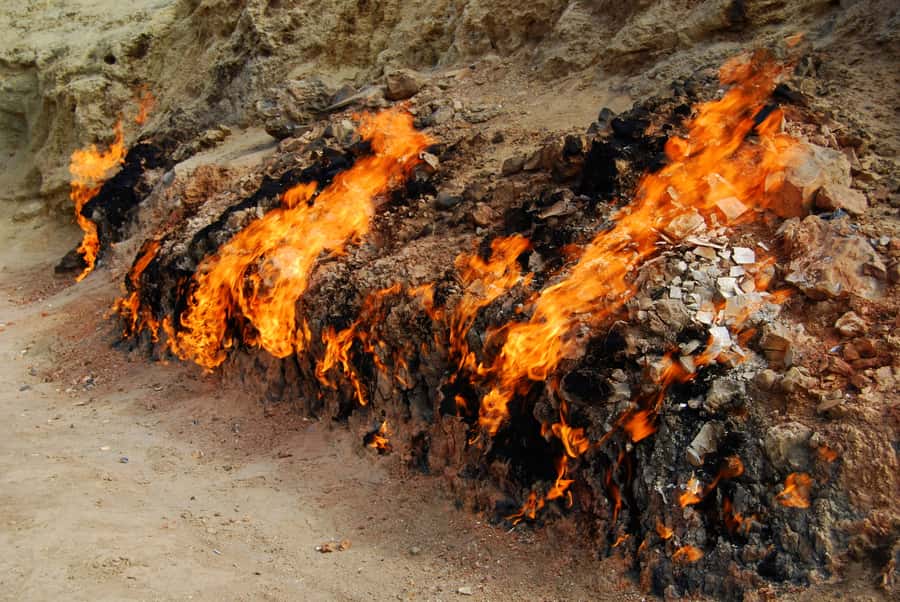
Yanar Dag is often translated as Burning Mountain, but you should picture a hill rather than a mountain. Natural gas burns along its slope, producing meter-long tongues of flame across a section roughly 10 meters wide.
The effect changes with the light. The fire is visible during the day, but the flames usually look more dramatic later in the day or evening. The schedule is four hours, so your starting time may affect how impressive the sight feels. Check the available departure times if seeing the fire after dark matters to you.
Benches allow you to sit and watch the slope. That is a pleasant change from a stop that requires constant walking, though you should not approach the flames too closely. The fire is not a theatrical show, and the ground around it is not something to treat casually.
I like this stop because it makes the geological story easy to grasp. At Ateshgah, you learn why people worshipped fire. At Yanar Dag, you see the underground gas source in action. The two places belong together, even though one is a temple and one is a natural site.
The drawback is scale. If you expect a high mountain or a huge field of fire, Yanar Dag may seem modest. Its interest comes from the cause and the setting, not from size. A small strip of earth burning naturally is more unusual than grand.
A quick view of the Heydar Aliyev Center
The itinerary includes a 15-minute photo stop at the Heydar Aliyev Center. This is a very different sight from Ateshgah and Yanar Dag, with a modern architectural form that has become one of Baku’s most recognizable views.
Treat this as a roadside or exterior look, not a museum visit. The time is suited to photographs and a scenic pause. You will not have enough time for a full interior tour, so anyone who wants to explore the center’s exhibitions should plan a separate visit.
Still, the stop improves the tour’s range. In one morning or afternoon, you move from ancient fire traditions to a contemporary Baku landmark. That sharp change helps you understand that the city is not only about old stone, oil, and religious sites.
A few more Baku trips to weigh up
- BEST Gobustan, Volcanoes & Absheron Fire Tour (Group or Private)
★ 5.0 · 1,254 reviews - Guba and Khinaliq trip with HOMEMADE lunch (Group or Private)
★ 5.0 · 169 reviews - Gobustan and Absheron peninsula ( Group or Private ) TOUR ( All inclusive )
★ 5.0 · 130 reviews - Gabala & Shamakhi Nature Tour (Group or Private)
★ 4.5 · 121 reviews
Yashil Bazaar and the useful final stop
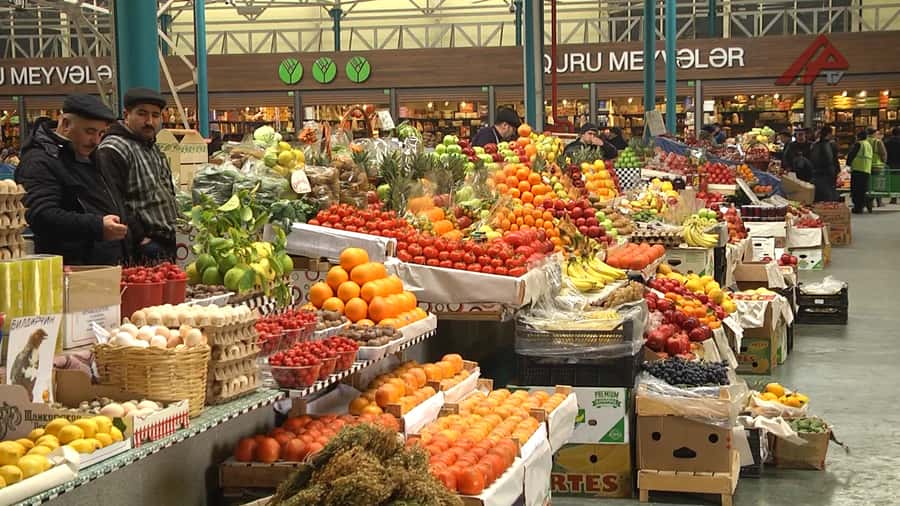
Yashil Bazaar, also called Green Market, brings you back to ordinary life. This is a traditional food market with vegetables, fruit, and fresh greens brought in from different regions. Local shoppers use it, and prices are described as affordable.
You have about 45 minutes here for walking, shopping, and food tasting. Cheese tasting is included in the planned visit, along with other food samples. Meals and drinks are not included, so think of this as a chance to sample and browse rather than a sit-down lunch.
This is also the best place to practice bargaining. You may be able to save a little money, especially if you buy produce or small food items. Keep your purchases sensible, since you will still be returning to Baku by car and the tour is not designed around carrying a large load of market goods.
I like having the bazaar at the end because it keeps the trip from feeling like a string of monuments. You see where locals shop, notice regional foods, and get a more ordinary view of the city’s surroundings. If you prefer museums and formal sights, the market may feel less important. If you want a taste of daily life, it is one of the tour’s most useful stops.
How the private format affects the experience
Pickup is included from any given place in Baku, including a hotel, apartment, or cafe. That saves you from finding a meeting point and makes the tour practical if you are staying outside the central hotel area.
Transportation is also included between the sites. Since Ateshgah and Yanar Dag are outside central Baku, this is a real part of the value, not just a convenience. You can focus on the views and the guide instead of working out separate taxis.
The group is private, so you are not tied to strangers’ questions or preferences. That can help at Ateshgah, where you may want to ask about the different religious communities, or at the bazaar, where you may need advice about tasting and bargaining.
A booking with Rafael included him as the driver for the full outing, while a local guide joined at each stop to explain the sights and lead the visits. That arrangement is worth noting because driving and guiding are not always the same job on a private tour. The exact staff member may vary, but Rafael is a name connected with the service.
Guiding is available in English, Turkish, and Russian. Wheelchair access is also listed, though you should confirm the practical details for each site if someone in your group has specific mobility needs. Historic courtyards, outdoor areas, and market aisles can differ in ease of movement.
Is $82 per person good value?
The price is $82 per person. It includes pickup, transportation, guide services, and museum entrance fees. Meals and drinks are extra.
For one person, the cost may feel high for a four-hour outing. For a private group, the value improves because you are paying for a dedicated vehicle and guide service rather than only a seat on a shared bus. The price also covers three separate areas outside central Baku, plus entry fees.
The strongest value comes from convenience and coverage. You can see Ateshgah and Yanar Dag in one trip, add a short view of the Heydar Aliyev Center, and finish at Yashil Bazaar without arranging separate transport. If you tried to build the same route yourself, you would need to manage several rides, entrance payments, and timing between sites.
The tour is less valuable if you want to spend half a day at one place. Ateshgah receives about an hour, Yanar Dag about an hour, the Heydar Aliyev Center only 15 minutes, and the market 45 minutes. This is a sampler with transport, not a slow study tour.
Timing, comfort, and what to bring
The total duration is four hours, including the drive from Baku and the return. Starting times depend on availability. If fire viewing is your priority, look for a departure that places Yanar Dag later in the outing, since the flames are said to be most effective in the evening.
Wear comfortable shoes. You will walk around the temple, the burning hill, and the market, even though none of these stops is presented as a long hike. Bring room for small food purchases and a phone or camera for the Heydar Aliyev Center photo stop.
Do not count on the bazaar as a full meal. Food tasting and cheese tasting are part of the visit, but meals and drinks are excluded. If you need a proper lunch, make a separate plan before or after the tour.
The tour allows free cancellation up to 24 hours before departure, and you can reserve while paying later. Those terms are useful if your Baku schedule is still changing, but the main practical question remains the start time. Confirm it before booking, especially if evening flames at Yanar Dag are important to you.
Who should book this Absheron outing?
I would choose this tour if you have limited time in Baku and want to see the fire sites without arranging transport yourself. It suits first-time visitors, couples, families, and small private groups who prefer a guide and a fixed route.
It is particularly good for anyone interested in religion, natural phenomena, Azerbaijan’s regional identity, or unusual photo stops. The tour also works well after a day spent in central Baku, since it adds a very different side of the country.
You may want another plan if you dislike short visits or shopping stops. The bazaar is part of the appeal, but it will not suit someone who wants only major historical monuments. Likewise, the 15-minute Heydar Aliyev Center stop is useful for a photograph, not for serious architectural study.
The high overall score of 4.9 from 34 ratings supports the tour’s basic strengths, especially its organization and private setup. A specific booking described the timing at each stop as well judged and the service as good value, with Rafael driving and local guides explaining the sights. That matches the route’s main advantage: a lot of Baku’s outer sights in a tidy half-day.
Should you book the Burning Mountain and Zoroastrian Temple tour?
Book it if you want an efficient, private introduction to Absheron’s fire sites, with a local market added for balance. Ateshgah gives the cultural context, Yanar Dag supplies the unforgettable natural flame, and Yashil Bazaar gives you a glimpse of daily shopping beyond the polished center of Baku.
Before you commit, accept the tradeoff: this is a brisk four-hour route. You pay for a private vehicle, guide support, entry fees, and door-to-door pickup, not for long hours at each site. If that sounds right, $82 per person is a sensible price for seeing these outlying sights in one organized outing.
FAQ
Where does the tour begin?
Pickup is provided anywhere in Baku, including a hotel, apartment, or cafe.
How long does the tour last?
The tour lasts four hours, including pickup in Baku and the return to Baku.
Is the tour private?
Yes. It is offered as a private group experience.
Which languages are available?
Live guiding is available in English, Turkish, and Russian.
What is included in the price?
The price includes museum entrance fees, transportation, guide services, and pickup from your location in Baku.
Are food and drinks included?
Meals and drinks are not included. Food and cheese tasting are part of the planned Yashil Bazaar visit.
How long is the stop at Ateshgah Temple?
The planned visit to Ateshgah lasts about one hour.
How long is the visit to Yanar Dag?
The planned visit to Yanar Dag lasts about one hour.
Is the Heydar Aliyev Center an interior visit?
The itinerary lists a 15-minute photo stop and scenic views at the Heydar Aliyev Center. It does not list an interior museum visit.
Can I cancel the booking?
You can cancel up to 24 hours in advance for a full refund. You can also reserve now and pay later.
Just added around Baku
- Wine Tour Baku★ 5.0 · 4 reviews
- Traditional Azerbaijani Cuisine Workshop★ 5.0 · 5 reviews
- Tour to the North part of Azerbaijan Forests and Mountatin Quba★ 5.0 · 10 reviews
- Full Day KHINALUG and the Candy Mountains Tour★ 5.0 · 15 reviews
- Baku Sightseing Tour★ 5.0 · 12 reviews
- Small-Group Day Trip to Gobustan, Mud Volcanoes, Ateshgah & Yanar Dagh★ 4.5 · 3 reviews
- The Magnificent Baku Night Tour★ 5.0 · 3 reviews
- Sheki tour with overnight★ 5.0 · 5 reviews
Yanar Dag Burning Mountain Tours, compared.
Gobustan, Volcanoes, Fire Temple and Yanardag Day Trip
Read our review →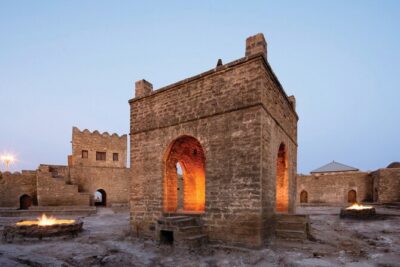
Gobustan, Mud volcanoes, Fire temple, Fire mountain PRIVATE TOUR
Read our review →
Gobustan & Mud, Fire Temple, Burning Mountain, H.A. Center
Read our review →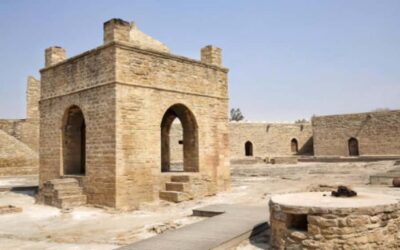
Gobustan, Mud Volcanoes, Fire Temple, & Yanar Dag Tour
Read our review →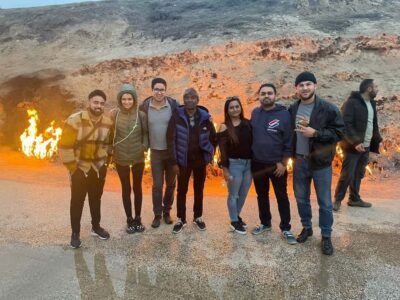
Atashgah Fire Temple & Burning Mountain Half-Day Tour
Read our review →
Qobustan rock arts, Mud Volcanoes, Fire temple Ateshgah, Yanardag
Read our review →
All inclusive! Qobustan, Mud Vulcano, Ateshgah & Yanardag Fire Mountain Tour
Read our review →Browse the lists this tour appears in