
Reviewed · GOBUSTAN MUD VOLCANO TOURS
Baku: Gobustan, Volcanoes, Fire Temple and Yanardag Day Trip
A day outside Baku brings together some of Azerbaijan’s strangest sights: Stone Age carvings, bubbling mud volcanoes, an old oil well, a fire-worship temple, and a hillside flame that burns day and night. Gobustan and the Absheron Peninsula show why Azerbaijan has long been called the Land of Fire.
I like the honest shape of this tour. It skips shopping stops, covers a wide sweep of history and geology, and uses guides such as Sayed, Mahabat, Leyla, and Elcan, who are often praised for clear explanations, patience, and good humor. The other strong point is value: at $29, hotel pickup, transport, a guide, and most entrance costs make this an easy way to reach scattered sights.
The trade-off is a full schedule packed into six to eight hours. Lunch costs extra, the mud volcano road can be rough, and rain may force the volcano stop to be dropped. If you prefer long, quiet visits at each site, this will feel brisk.
In This Review
- Key points at a glance
- Why this day trip makes sense from Baku
- Bibi-Heybat and the first oil well
- Gobustan Museum and the oldest marks on stone
- Mud volcanoes and the roughest ride of the day
- Lunch and what the $29 price really covers
- Ateshgah, the fire temple of Absheron
- Yanardag and the final flame
- Guides, vehicles, and the pace of the outing
- Who should book this tour?
- Final verdict: a smart first excursion from Baku
- FAQ
- How long does the Baku day trip take?
- What attractions are included?
- Is lunch included in the tour price?
- What happens if it rains?
- Are hotel pickup and drop-off provided?
- What languages do the guides speak?
Key points at a glance
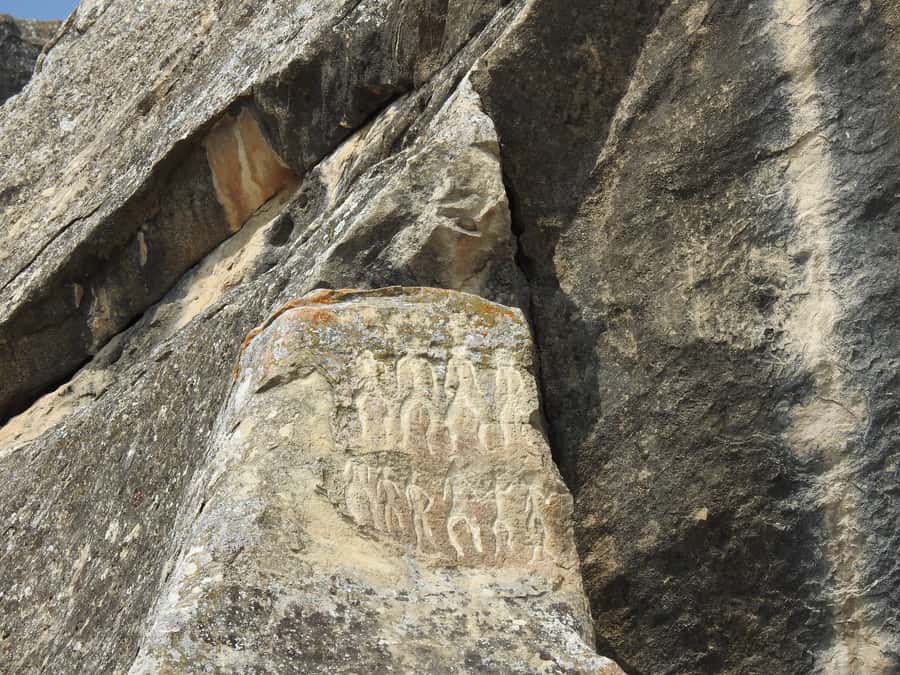
- Stone Age art at Gobustan: See prehistoric carvings that record hunting, daily life, animals, boats, and beliefs on the rocks.
- A Soviet-era ride to the volcanoes: The mud volcano visit may use old Lada vehicles over an unpaved route, adding a rough-and-ready touch to the day.
- Azerbaijan’s fire story in two stops: Ateshgah explains the religious side of sacred flames, while Yanardag shows a natural gas fire still burning on a hillside.
- A first look at oil history: The Bibi-Heybat stop includes an early industrialized oil well near the mosque.
- No forced shopping: The schedule stays focused on history, geology, and culture rather than carpet, jewelry, or souvenir sales.
- A low price for a wide circuit: At $29 per person, this is particularly useful if you have only a short stay in Baku.
Why this day trip makes sense from Baku
Baku’s old city and modern skyline can fill several days, but some of Azerbaijan’s most unusual sights sit well outside the center. Gobustan is about 70 kilometers from Baku, and the Absheron Peninsula sites are spread in another direction. Public transport would make this circuit awkward and time-consuming.
This tour solves that problem in one long outing. You are collected from one of 13 listed pickup points, usually at your hotel lobby or a nearby meeting place, then returned to one of the same set of central locations. The activity normally takes six to eight hours, depending on traffic, weather, group size, and the pace at each stop.
I see the itinerary as three connected stories. Gobustan covers early human life. The oil well points to Azerbaijan’s industrial past. Ateshgah and Yanardag explain the fire traditions that shaped the country’s image and spiritual history. The mud volcanoes add the odd geological finale between them.
The experience is available as a private or small-group outing. That matters here. A compact group gives you more room to ask questions and makes it easier to keep the schedule moving, while a private trip should give you more control over the pace if that option is available for your date.
More gobustan mud volcano tours in Baku:
- Baku: Gobustan, Mud Volcano, Fire Mount, Temple Lunch Entry
★ 4.9 · 3,246 reviews - BEST Gobustan, Volcanoes & Absheron Fire Tour (Group or Private)
★ 5.0 · 1,254 reviews - Gobustan and Absheron tour (All inclusive)
★ 5.0 · 1,014 reviews
Bibi-Heybat and the first oil well
The first stop is near Bibi-Heybat Mosque, where you see an industrialized oil well. This is not the main attraction of the day, but it gives useful context before Gobustan.
Azerbaijan’s connection with oil is not just a modern business story. Oil shaped Baku’s growth, drew foreign investment, and helped turn the city into a major industrial center. Seeing an early oil site before heading farther south gives you a quick reminder that this dry region has long produced something people wanted badly.
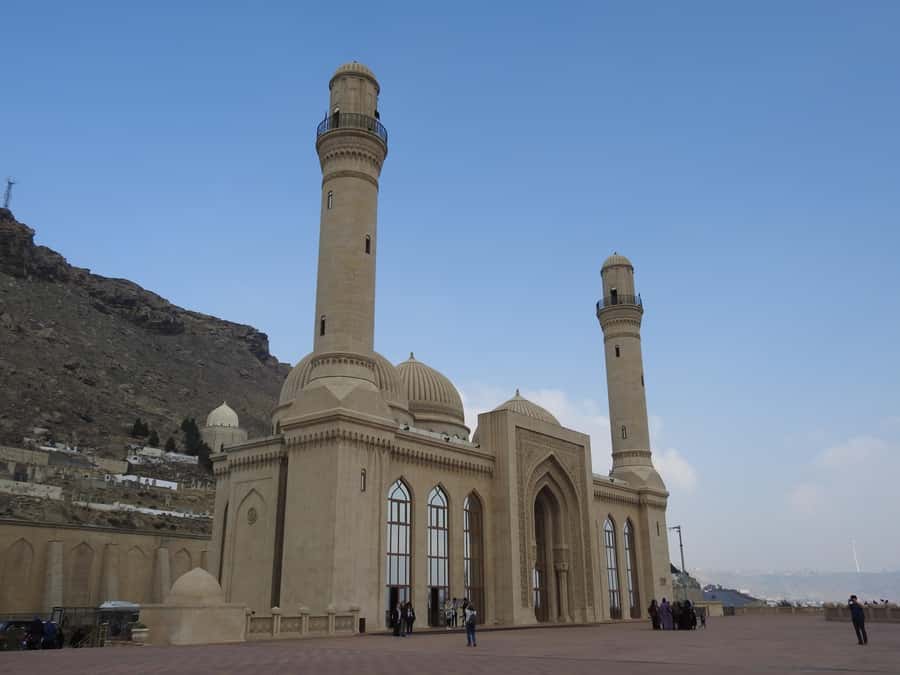
The stop is scheduled for about 30 minutes with a guide. You should treat it as an introduction rather than a full museum visit. The value comes from the explanation, so listen for how the guide connects the well with Baku’s wider development.
The nearby Bibi-Heybat Mosque also adds a strong visual and cultural note. The stop is brief, and the mosque is not presented as a separate extended tour, but its setting makes the opening part of the day more memorable than a simple roadside photo stop.
Gobustan Museum and the oldest marks on stone
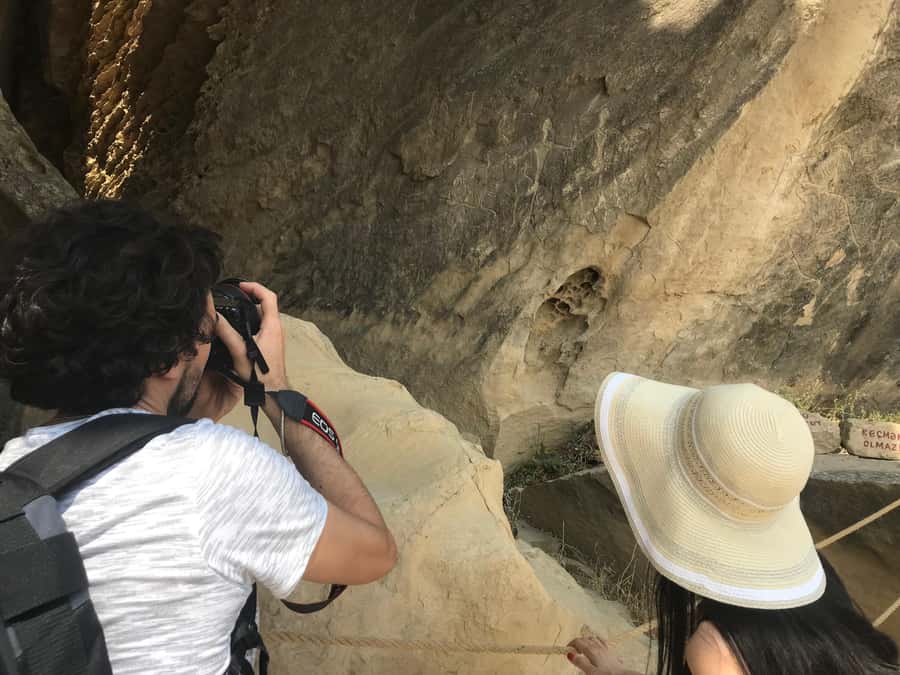
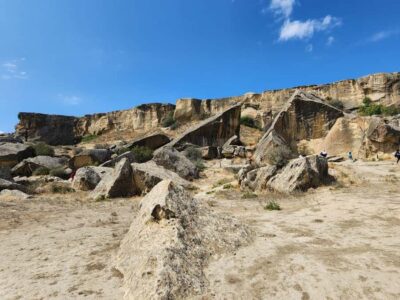
Gobustan National Park is the historical heart of the excursion. The museum and outdoor area are about 70 kilometers from Baku, so the drive takes you well beyond the city’s polished center and into a more open, rocky part of Azerbaijan.
The visit lasts about an hour. You begin with the museum, where displays help explain the carvings and the people who made them. Then you see rock surfaces marked by prehistoric figures and symbols. These petroglyphs reflect the ancient Azeri people’s work, customs, economy, and view of the world.
I find Gobustan most rewarding when you resist the urge to treat the carvings as a quick photo backdrop. The lines are not always obvious at first. A good guide points out the shapes and explains what researchers believe they show, from people and animals to scenes connected with movement, hunting, and ritual.
The indoor museum is especially useful because it gives you a framework before you face the rocks. Without that background, you might see only weathered scratches. With it, the site becomes a record of how people lived and what they considered worth marking.
The outdoor part can be crowded at busy times. One guide, Mahabat, has been praised for managing a crowded Gobustan visit well, which tells you something practical: the guide’s organization matters as much as the facts. Stay close enough to hear the explanation, and allow extra time for moving between the museum and the rock art.
Gobustan is also one of the more demanding stops physically, though the supplied details do not specify exact walking distances or accessibility arrangements. Wear shoes you can walk comfortably in and bring protection from sun or wind. The site is exposed, and the day is not built around long indoor breaks.
Mud volcanoes and the roughest ride of the day
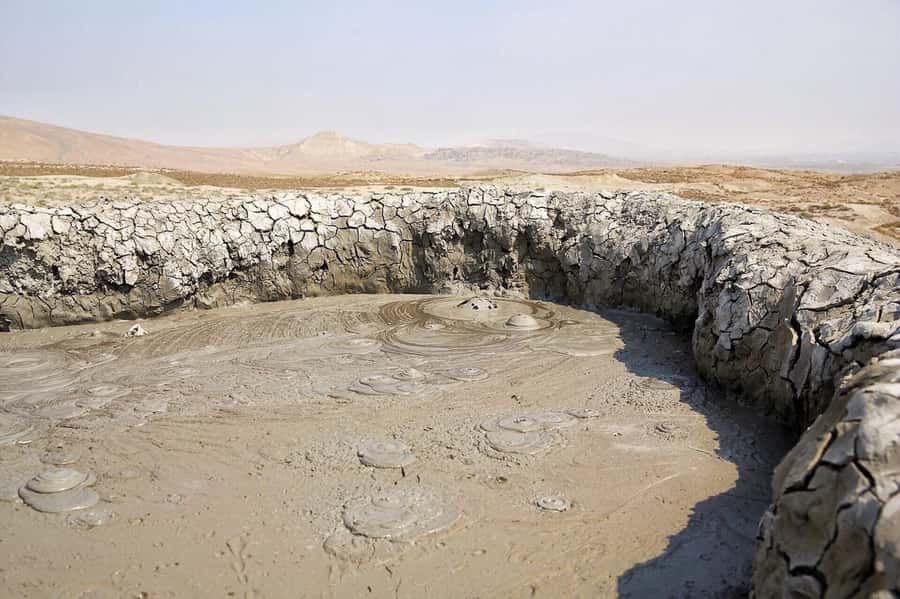
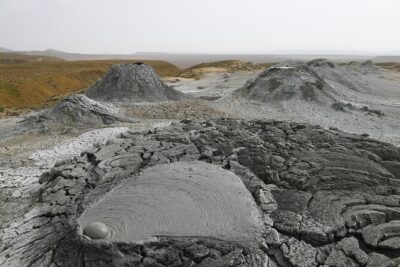
Azerbaijan is home to around 400 mud volcanoes, and this is one of the tour’s most unusual stops. These are not hot lava volcanoes. They push mud, gas, and sediment upward, creating small cones and bubbling patches that look more like a strange piece of another planet than a normal coastal attraction.
The scheduled visit lasts about 20 minutes, including sightseeing and the guide’s explanation. That is enough for a look and photographs, but not a long expedition. The setting is remote and the route may be rough.
Several visitors singled out the transfer to the volcanoes in old Soviet Lada cars. That detail is part of the charm. It is not polished luxury transport, but the bumpy off-road ride makes the visit feel tied to the place rather than packaged as a standard city excursion.
You should also plan for the possibility of missing this stop. On rainy days, the mud volcano visit is skipped for safety. Heavy rain has caused this change before, and it is a sensible decision because unpaved ground can become difficult or unsafe. The tour still continues to the other scheduled sights, but the day loses one of its most distinctive moments.
Do not judge the volcanoes only by their size. The appeal is their oddness and the contrast with Gobustan’s ancient carvings. One stop shows what humans left behind; the other shows the ground still shifting and venting beneath them.
More ateshgah fire temple tours in Baku:
- Gobustan & Mud, Fire Temple, Burning Mountain (Group & Private)
★ 4.5 · 418 reviews - Gobustan-Mud Volcan-Fire Temple and Mountain Tour/Entrance inc
★ 5.0 · 267 reviews - Gobustan, Mud volcanoes, Fire temple, Fire mountain PRIVATE TOUR
★ 5.0 · 47 reviews - Gobustan & Mud, Fire Temple, Burning Mountain, H.A. Center
★ 4.6 · 46 reviews
Lunch and what the $29 price really covers
Lunch is not included. The group stops at a buffet-style local restaurant where you can buy a meal for about $8 to $12. The food selection has been described as broad, with Azerbaijani dishes available, and some outings have included a pleasant local restaurant with plenty of choice.
Still, keep your expectations clear. This is a practical lunch break inside a busy sightseeing day, not a dedicated food tour. If local cooking is a major priority, you may find the stop too brief or too standardized. If you simply want an easy meal without searching for a restaurant in an unfamiliar area, it does the job.
At $29, the tour offers strong value even after adding lunch. You are paying for transport across a large area, a live guide, museum access, and the convenience of fitting four major attractions into one day. Check the booking choice carefully because museum tickets and entrance fees are included if that option is selected.
A few practical improvements would make the day more comfortable. Bring water, particularly in hot weather, since one summer outing prompted a request for water in the vehicle. The tour information does not promise bottled water, so carry your own.
Ateshgah, the fire temple of Absheron
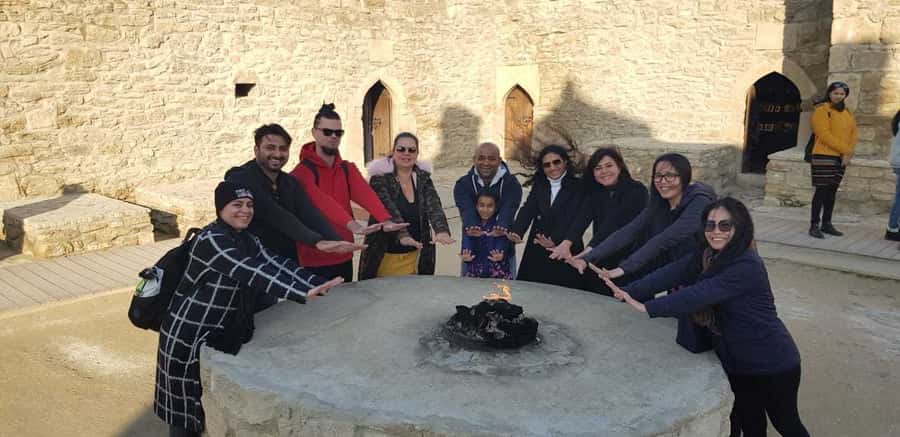
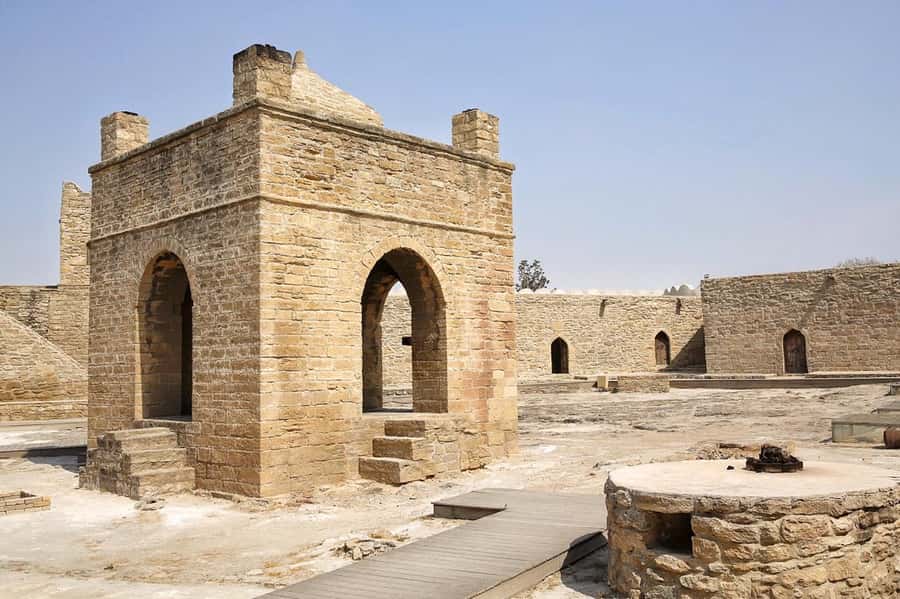
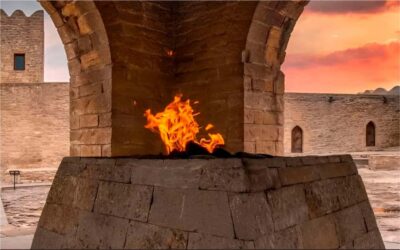
After lunch, the route turns toward Ateshgah of Baku, usually called the Fire Temple. The guided visit lasts about 40 minutes, giving you more time here than at the volcanoes or oil well.
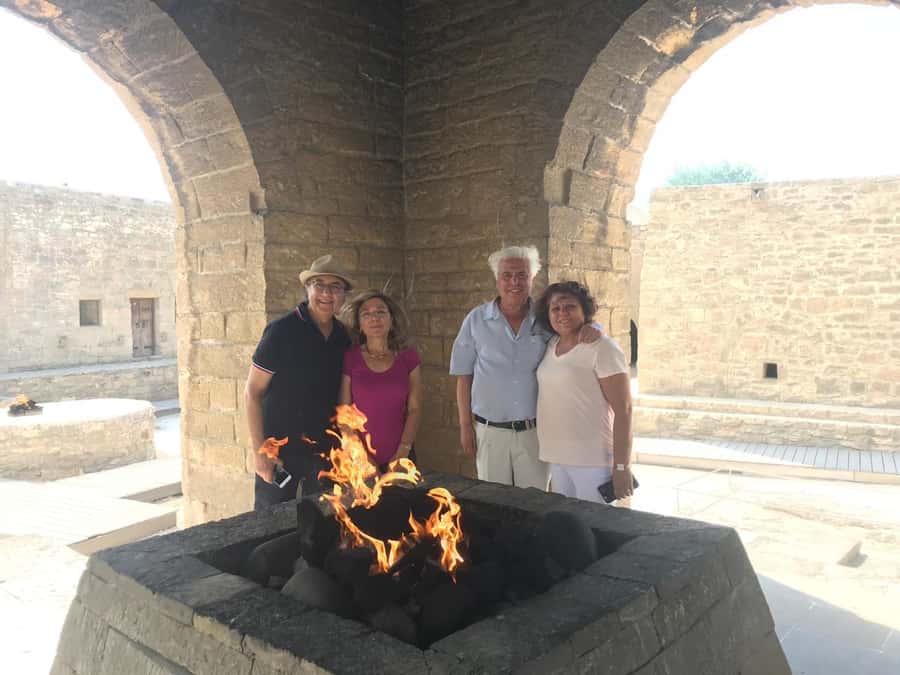
Ateshgah was a holy place for Zoroastrian fire worshippers. Its importance comes from the link between natural gas, open flame, and religious practice. The temple’s courtyard and stone buildings help you understand how sacred fire traditions took shape in this part of the Absheron Peninsula.
This is where a guide’s storytelling can make a major difference. You are not simply looking at an old building. You are learning why fire mattered, how worship centered on it, and how the site fits into Azerbaijan’s religious past.
The temple also works well as a contrast to the natural fire at Yanardag. At Ateshgah, people built a place around flame and gave it spiritual meaning. At Yanardag, the fire comes from gas in the ground and burns on a natural hillside. Visiting both in one day makes the connection easy to grasp.
The stop is historical rather than theatrical. Do not expect a large complex or hours of independent exploration. Forty minutes is a reasonable visit within a circuit, but anyone wanting a slow, detailed look at religious architecture may want a private arrangement or a separate visit.
Yanardag and the final flame
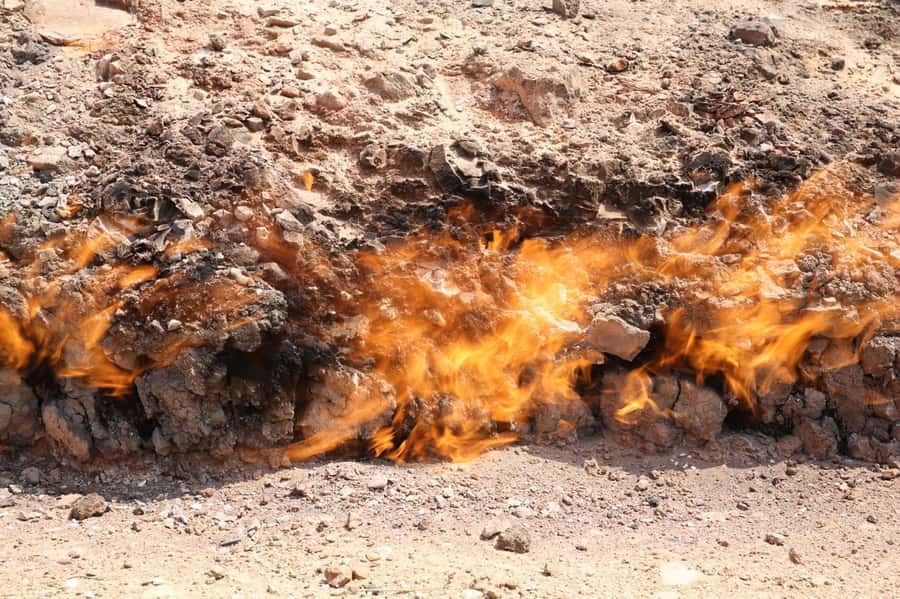
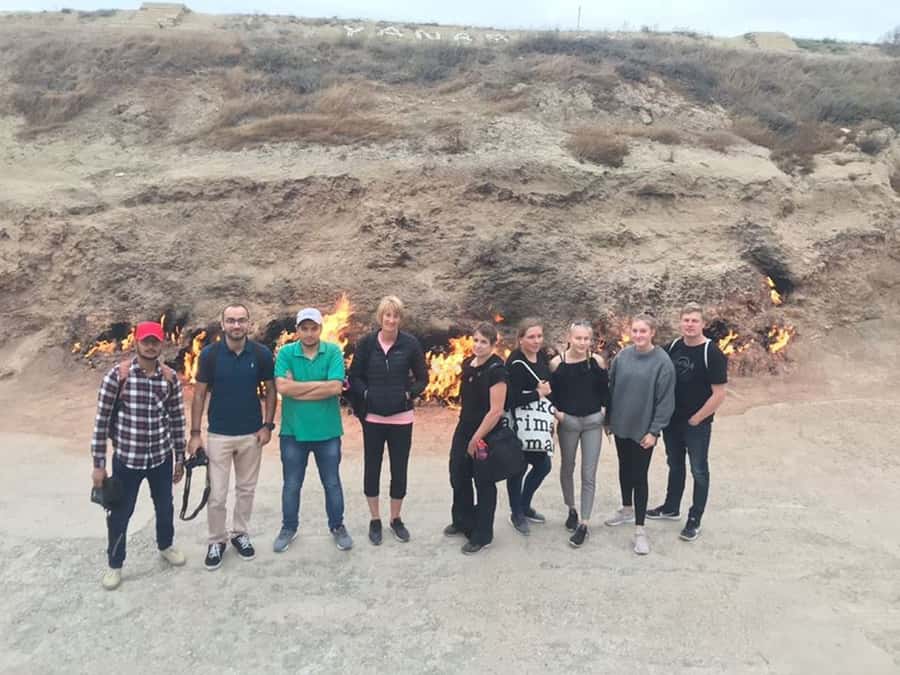
Yanardag is the final major stop, with about 30 minutes for guided sightseeing. Here, natural gas burns continuously on a hillside on the Absheron Peninsula.
This is the most instantly dramatic sight of the day. After the museum displays and carved stone at Gobustan, a real flame rising from the ground feels almost unreal. It also brings the tour’s fire theme to a simple physical finish: the earth itself is burning.
The visit is short, so use the time well. Listen to the guide’s explanation, take photographs, and watch how the fire sits against the dry hillside. The effect changes with daylight and weather, but the attraction does not depend on a long walk or complicated activity.
Yanardag can be especially useful for understanding why fire became such a powerful symbol in Azerbaijan. Ateshgah gives you the human and spiritual story. Yanardag gives you the natural phenomenon that helped inspire it.
The stop is not a substitute for a full Absheron Peninsula tour. It is a compact visit included in a much broader day. That is a benefit if you want variety, but a limitation if your main interest is geology and you would rather spend more time at each fire site.
Guides, vehicles, and the pace of the outing
The guide is central to this experience because several stops rely on interpretation. English and Russian are the stated languages. Individual guides vary, but names frequently associated with strong outings include Sayed, Mahabat, Leyla, Elcan, Musa, Ughur, Samir, and Aqil.
The praise is consistent in a few useful ways. Guides are often described as clear, friendly, patient, and good at answering questions. Sayed is especially noted for detailed explanations, warmth, group photos, and a talent for keeping people engaged. Leyla is praised for being organized, caring, and helpful with photographs. Elcan and Ughur are also noted for strong preparation and attention to the group.
That does not mean you can book a particular guide unless the operator confirms it. Treat the names as examples of the level of service reported across different departures, not as a guarantee.
Transport has generally been described as comfortable, with vans or buses used for the main route. The mud volcano transfer may be the exception, since old Soviet Ladas can be used for the final off-road section. The schedule is tight, but several departures have returned to the chosen drop-off points on time.
You should expect a social day if you join a small group. People have found it easy to share the outing and group pictures, while private departures offer a quieter option. Either way, hotel pickup and drop-off remove the need to arrange separate rides across Baku.
Who should book this tour?
I would choose this trip if I had one free day in Baku and wanted to see the city’s surrounding history without arranging several taxis. It is also a good fit for first-time visitors who want an overview of ancient rock art, oil, Zoroastrianism, and natural gas in one outing.
Families may appreciate the variety, especially if a single museum visit would feel too slow. The mud volcanoes and Yanardag give the day visual surprises, while the guide keeps the historical stops understandable.
This is less suitable if you want a relaxed schedule, a serious food experience, or extended time at Gobustan. The route covers a lot, and the six to eight hour duration includes substantial driving. Hot weather can make exposed stops tiring, and rain may remove the volcanoes from the program.
Free cancellation up to 24 hours before departure and the option to reserve now and pay later make the booking relatively flexible. Pickup times are confirmed by the activity provider the day before, so keep an eye out for that message.
Final verdict: a smart first excursion from Baku
For $29, this is one of the more efficient ways to see Azerbaijan beyond Baku. The no-shopping format is a real advantage, and the combination of Gobustan, mud volcanoes, Ateshgah, and Yanardag gives you far more variety than a simple half-day outing.
Book it if you value good explanations, broad coverage, and easy transport. Go in knowing that lunch costs extra, the timetable moves quickly, and bad weather can cancel the volcano stop. If those limits suit you, this tour offers a memorable look at the ancient, industrial, spiritual, and geological sides of the Absheron region.
FAQ
How long does the Baku day trip take?
The tour lasts approximately six to eight hours. The exact duration can vary with traffic, weather, group size, and the amount of time spent at each stop.
What attractions are included?
The route includes an early industrialized oil well near Bibi-Heybat Mosque, Gobustan National Park Museum and its petroglyphs, the mud volcanoes, Ateshgah Fire Temple, and Yanardag burning mountain.
Is lunch included in the tour price?
No. The group stops at a buffet-style restaurant where you can purchase lunch. The stated cost is about $8 to $12 per person.
What happens if it rains?
The mud volcano visit is skipped on rainy days for safety reasons. The other scheduled attractions remain part of the day’s plan.
Are hotel pickup and drop-off provided?
Yes. Pickup and drop-off are included at the listed hotel and central Baku locations. You meet the guide in your hotel lobby when that location is supported, and the activity provider confirms the pickup time the day before.
What languages do the guides speak?
Live guiding is offered in English and Russian. Private and small-group options are available.
More 1-Day Tours in Baku
- Baku: Guided Day Trip to Gabala with Hotel Pickup & Drop-off
★ 4.7 · 139 reviews - Baku : Gobustan, Absheron Sights Guided Day Trip Lunch included
★ 5.0 · 120 reviews - Full Day Trip in Baku (Gobustan & Absheron)
★ 5.0 · 72 reviews - Lankaran – Lerik Day Trip
★ 5.0 · 30 reviews
More Yanar Dag Burning Mountain Tours in Baku
- Ateshgah Fire temple and Burning mountain tour
★ 4.5 · 42 reviews - Baku: Gobustan, Mud Volcanoes, Fire Temple, & Yanar Dag Tour
★ 4.8 · 36 reviews - Baku: Atashgah Fire Temple & Burning Mountain Half-Day Tour
★ 4.0 · 35 reviews - Baku: Burning Mountain & Zorastrian Temple Private Tour
★ 4.9 · 34 reviews
Just added around Baku
- Wine Tour Baku★ 5.0 · 4 reviews
- Traditional Azerbaijani Cuisine Workshop★ 5.0 · 5 reviews
- Tour to the North part of Azerbaijan Forests and Mountatin Quba★ 5.0 · 10 reviews
- Full Day KHINALUG and the Candy Mountains Tour★ 5.0 · 15 reviews
- Baku Sightseing Tour★ 5.0 · 12 reviews
- Small-Group Day Trip to Gobustan, Mud Volcanoes, Ateshgah & Yanar Dagh★ 4.5 · 3 reviews
- The Magnificent Baku Night Tour★ 5.0 · 3 reviews
- Sheki tour with overnight★ 5.0 · 5 reviews
Gobustan Mud Volcano Tours, compared.
Gobustan, Mud Volcano, Fire Mount, Temple Lunch Entry
Read our review →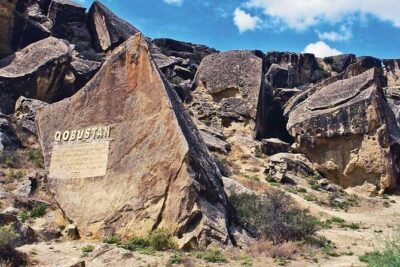
Mud Volcan-Fire Temple and Mountain Tour/Entrance inc
Read our review →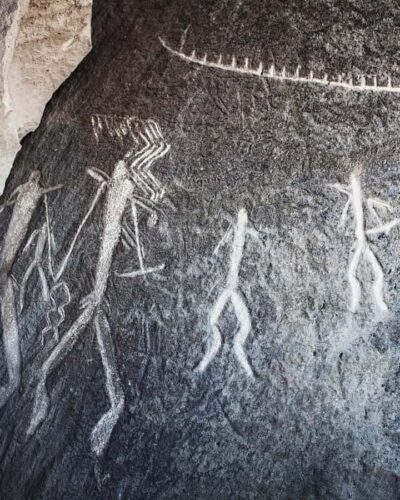
Gobustan Mud Volcanoes Temple & Entry tickets included
Read our review →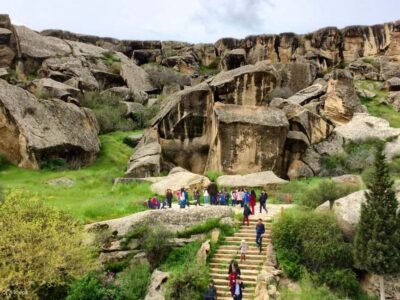
Gobustan-Absheron Tour with Hotel PICK UP and DROP OFF
Read our review →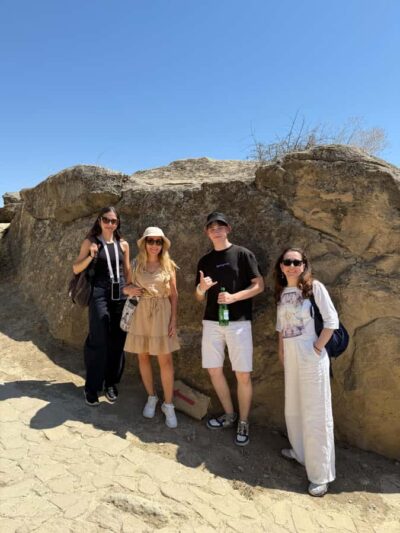
Gobustan/Absheron guided tour with lunch and tickets
Read our review →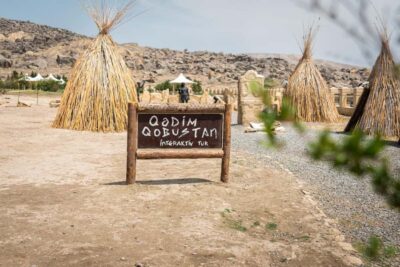
Half-Day Gobustan and Mud Volcanoes Tour with Entry
Read our review →Browse the lists this tour appears in