
Reviewed · GOBUSTAN MUD VOLCANO TOURS
Qobustan rock arts, Mud Volcanoes, Fire temple Ateshgah, Yanardag
Azerbaijan’s strangest sights fit into one long day: flames burning from the earth, bubbling mud volcanoes, and thousands of prehistoric rock drawings. I like that this private tour links the country’s fire-worshipping past with its ancient human story. I also like the comfort of an air-conditioned vehicle, hotel pickup, and a guide who explains the sites in clear, friendly language.
The main drawback is the pace. You cover four major stops in about nine hours, with roughly 15 to 60 minutes at each listed site. The mud volcano roads may also be less polished than the roads around Baku, and museum tickets cost extra.
In This Review
- Key points to know before booking
- Why this day trip tells Azerbaijan’s story
- Ateshgah Fire Temple and the old fire routes
- Yanar Dag, where the hillside burns
- Mud volcanoes and Azerbaijan’s unusual geology
- Qobustan Museum and the oldest pictures in the day
- The route, vehicle, and private format
- What $250 really buys you
- Who should book this experience?
- Booking advice and cancellation terms
- Should you book this Baku day trip?
- FAQ
- How long does the tour last?
- How many people can join the private tour?
- What sights are included?
- Are transportation and pickup included?
- Are museum tickets and lunch included?
- Can I cancel for a full refund?
Key points to know before booking
- Four major sights in one day: Visit Ateshgah Fire Temple, Yanar Dag, the mud volcanoes, and UNESCO-listed Qobustan.
- Private group format: The $250 price covers your group of up to seven, not each person individually.
- Strong guide service: A professional multilingual guide explains Zoroastrianism, ancient people, petroglyphs, and the geology beneath the volcanoes.
- Ancient art with real scale: Qobustan includes more than 6,000 rock drawings spread across about 1,000 rocks.
- Extra costs matter: Museum admission is about $15 per person, and lunch is not included.
- Weather can affect plans: The tour requires good weather, with a date change or full refund offered if poor conditions cancel it.
Why this day trip tells Azerbaijan’s story
Azerbaijan is often called the land of fire, and this excursion gives that nickname some substance. Natural gas reaches the surface in parts of the Absheron Peninsula, where it can ignite. For centuries, those flames shaped local religious beliefs, especially Zoroastrian fire worship.
The day then moves farther back in time. At Qobustan, you see images carved by ancient people into stone. In between, mud volcanoes add a dose of geology and oddity. Few day trips from Baku connect religion, natural gas, prehistoric art, oilfields, and planetary science so neatly.
You also get the practical benefit of a private vehicle. Instead of arranging separate taxis or trying to connect distant sights by public transport, you can follow one route with a guide. With seven people sharing the $250 vehicle cost, the basic tour price can be good value. For one or two people, it becomes a more expensive outing, though the privacy and direct transportation still save planning time.
The tour lasts about nine hours. That is enough time to reach all four stops, but not enough for long, leisurely visits at each one. I would treat this as a broad introduction to the region rather than a slow archaeological or geological study.
More gobustan mud volcano tours in Baku:
- Baku: Gobustan, Mud Volcano, Fire Mount, Temple Lunch Entry
★ 4.9 · 3,246 reviews - BEST Gobustan, Volcanoes & Absheron Fire Tour (Group or Private)
★ 5.0 · 1,254 reviews - Gobustan and Absheron tour (All inclusive)
★ 5.0 · 1,014 reviews
Ateshgah Fire Temple and the old fire routes
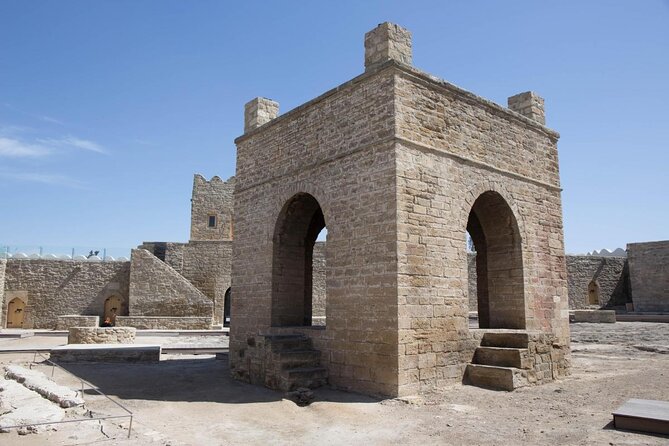
Ateshgah is the best place to begin understanding Azerbaijan’s fire connection. The temple was built in its current form during the 17th and 18th centuries by a Baku-based Hindu community connected with Sikh worshippers. Its story, however, reaches further back.
The site was used by Zoroastrians, who worshipped fire as a sacred force. Natural gas once rose through the ground here, creating flames that seemed to burn without fuel. That kind of sight could easily become a holy sign in the ancient world.
Your visit lasts about 30 minutes. That is a short stop, but the compact setting makes the time useful. Your guide can explain the difference between the earlier Zoroastrian connection and the later temple built by the Hindu community. That context is important because Ateshgah is not simply an old building with a flame. It reflects several religious traditions tied to trade routes and Baku’s natural gas.
The temple is described as an authentic Azerbaijani landmark, but you should not expect a vast complex. The value lies in the story and the setting. Listen closely to the guide here, since a quick walk without explanation can make the site feel smaller than its importance.
Museum admission is not included. The stated cost for museum tickets is about $15 per person in total, so add that to the tour price when planning your budget.
Yanar Dag, where the hillside burns
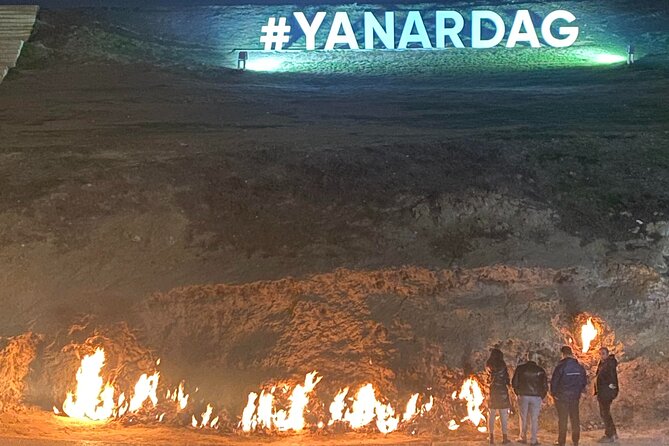
Yanar Dag means burning mountain, and it is one of Azerbaijan’s best-known eternal-flame sites. Natural gas escaping from the ground feeds the fire along the hillside. The flames are a direct link between the region’s geology and the beliefs that grew around it.
The scheduled stop is about 15 minutes. That sounds brief, and it is. You have time to see the burning slope, take photographs, and hear the explanation, but not time for a long walk or a wide-ranging visit.
I like Yanar Dag because it makes the phrase land of fire feel less like a slogan. At Ateshgah, the fire is tied to a temple and religious practice. Here, the natural flame itself is the main attraction. The two stops work well together.
The short visit can also be a limitation. If you prefer quiet observation, photography, or extended time at each sight, this schedule may feel rushed. Still, Yanar Dag is easy to understand at a glance, so the brief stop fits the wider route.
Mud volcanoes and Azerbaijan’s unusual geology
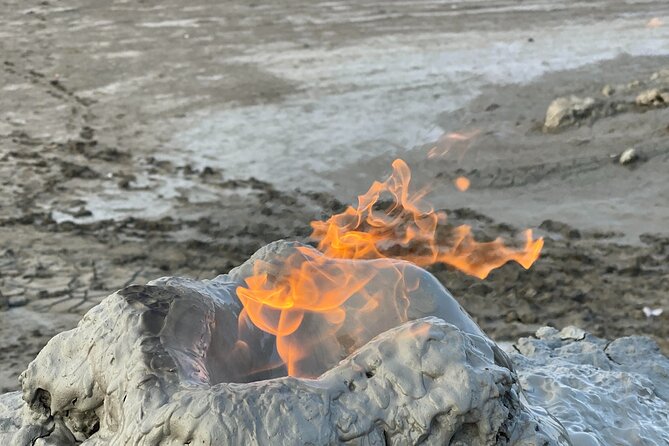
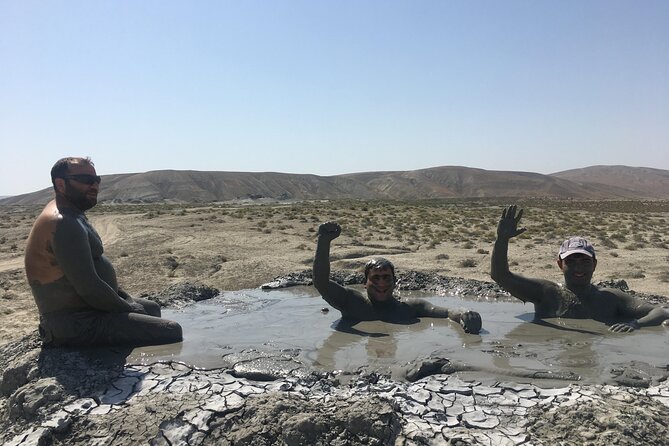
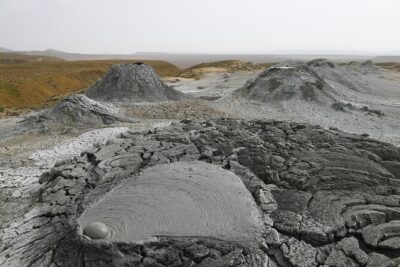
The mud volcanoes are the most unusual stop of the day. Azerbaijan has around 350 of the world’s approximately 800 mud volcanoes, giving the country an unusually large share of these formations. They are not conventional volcanoes filled with hot lava. Instead, they push out mud, gases, and liquid material.
The excursion allows about an hour here. That gives you more time than at Yanar Dag and enough space to take in the strange formations. Conditions can vary, so your guide’s instructions matter. The site is connected with oil and gas fields, including areas such as Lokbatan, Garadagh, Neft Dashlari, and Mishovdagh.
The link between mud volcanoes and oilfields is one of the most useful things to learn. These formations are not random curiosities. They point to the underground pressures and hydrocarbons that have shaped Azerbaijan’s economy and geography.
The material from mud volcanoes has also been used in chemical and construction industries and in pharmacology. You may also hear about NASA geologists studying these formations as comparisons for parts of Mars. That does not mean you are looking at a piece of Mars, of course, but the dry, alien-looking shapes help explain why scientists find them useful for comparison.
This is the stop where footwear and expectations matter most. The supplied details do not promise paved paths or polished facilities, so plan for a more basic outdoor setting. The road conditions may also be rougher than those around Baku. You are visiting for the formations, not comfort.
More ateshgah fire temple tours in Baku:
- Baku: Gobustan, Volcanoes, Fire Temple and Yanardag Day Trip
★ 4.7 · 433 reviews - Gobustan & Mud, Fire Temple, Burning Mountain (Group & Private)
★ 4.5 · 418 reviews - Gobustan-Mud Volcan-Fire Temple and Mountain Tour/Entrance inc
★ 5.0 · 267 reviews - Gobustan, Mud volcanoes, Fire temple, Fire mountain PRIVATE TOUR
★ 5.0 · 47 reviews
Qobustan Museum and the oldest pictures in the day
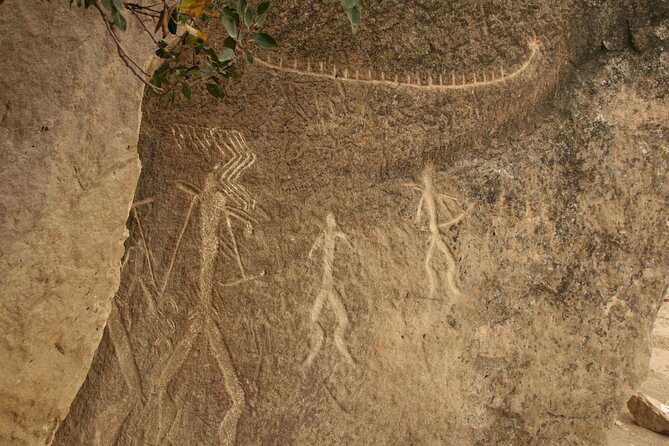
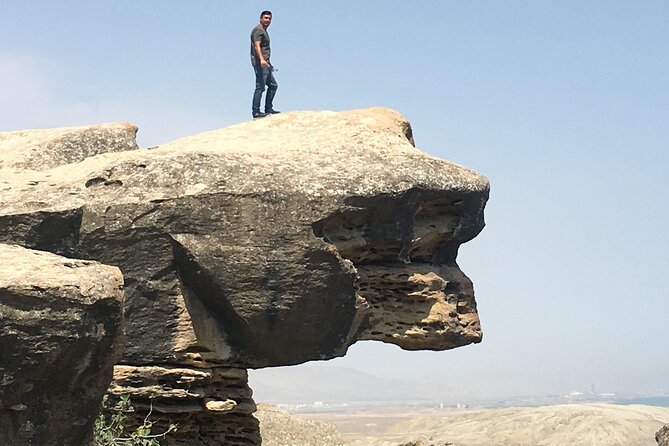
Qobustan, also written Gobustan, is the historical centerpiece. Located about 60 kilometers from Baku, the reserve combines an indoor museum with an open-air area of rocky hills and prehistoric carvings.
The scale is impressive: more than 6,000 drawings are spread across about 1,000 rocks, along with more than 100,000 artifacts. The site is listed by UNESCO for the quality and density of its rock art. Those numbers help you understand why a one-hour stop can only introduce the place.
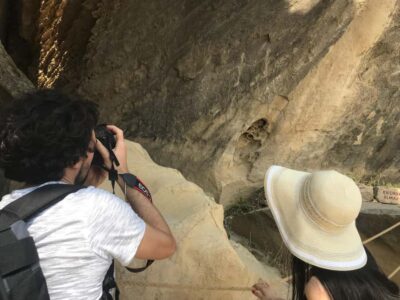
The carvings show ancient people, animals, hunting scenes, boats, and daily life. The exact subjects and dates are best explained on site by your guide, who can connect the pictures to the people who lived in this part of Azerbaijan. I find that context changes the experience. Without it, the engravings can look like scattered marks on stone. With it, you begin to read them as records of human activity.
The museum is particularly useful before or alongside the outdoor carvings. It gives you a framework for what you are seeing and helps protect the site by keeping the interpretation in one place. The open-air portion then lets you see the actual rocks and the setting where the images were made.
The one-hour allocation is practical but limited. If prehistoric art is your main interest, you may want more time than this tour provides. If you are visiting Baku briefly and want a strong first look at Qobustan, the stop covers the essentials.
The route, vehicle, and private format
The tour includes pickup, private transportation, an air-conditioned vehicle, onboard WiFi, and a professional multilingual guide. Those details matter on a nine-hour outing. You will spend a large part of the day moving between Baku and the sites, so a private vehicle is more comfortable than piecing the route together yourself.
A private tour also lets your group ask questions without having to fit into a large bus schedule. The maximum group size is seven, and only your own group takes part. That makes the experience a good fit for families, couples who want a personal guide, or small groups who want to divide the cost.
The guide’s role is central. The best parts of this day are not only the flames or the carvings. They are the connections between them: natural gas and worship, mud volcanoes and oilfields, rock art and early human settlement. The guide is expected to provide those explanations in a professional and friendly way, and the experience is offered in multiple languages.
Pickup is offered, but the supplied details do not specify exact pickup areas or a named meeting point. Confirm that point when booking. The listed opening hours are 9:00 a.m. to 6:00 p.m., Monday through Sunday, for the stated operating period.
What $250 really buys you
The advertised price is $250 per group of up to seven. That is not the same as $250 per person, which makes a major difference.
For seven people, the vehicle and guide portion works out to about $36 per person. Add the stated museum ticket cost of about $15 per person, and the combined cost would be about $51 per person, before lunch. For two people, the basic tour cost is $125 each before tickets and food. For a solo visitor, it is a premium day trip.
That pricing makes the experience strongest for a small group. You are paying for a full-day private vehicle, a guide, pickup, and the convenience of seeing four distant sights in one outing. Lunch is not included, and the museum tickets are extra, so budget for both.
The value also depends on your time in Azerbaijan. If you have only a short stay in Baku, this tour covers several sights that would otherwise take careful planning. If you have many days and prefer independent travel, you may find the fixed schedule less appealing.
Who should book this experience?
I would recommend this excursion to you if you want a broad introduction to Azerbaijan beyond central Baku. It suits first-time visitors, history fans, families, and anyone curious about fire temples, unusual geology, or prehistoric art.
It is also a practical choice for a group of friends or relatives. Seven people can share the vehicle price, and the private format avoids the social compromises of a large coach tour.
You should think twice if you want long visits at every stop. The listed time at the four attractions totals only about three hours, with the rest used for transport and the guide’s explanations. Qobustan fans may want more time with the carvings, while visitors focused on photography may find Yanar Dag’s 15 minutes too short.
The outdoor nature of the mud-volcano stop is another consideration. The tour requires good weather, and poor conditions can lead to a different date or a full refund. Most people can participate, service animals are allowed, and the tour is near public transportation, but the details do not promise a fully paved route at every site.
Booking advice and cancellation terms
Confirmation is provided when you book, and the experience offers a mobile ticket. You can cancel for a full refund up to 24 hours before the start time. Cancellations or changes made within 24 hours are not refunded or accepted.
Because weather can affect the mud volcanoes and other outdoor stops, check the forecast before your final cancellation deadline. If the operator cancels because of poor weather, you are offered another date or a full refund.
Should you book this Baku day trip?
Book it if you want the most efficient way to connect Azerbaijan’s fire traditions, prehistoric art, and unusual geology in one day. The private vehicle, multilingual guide, and group pricing give it real value when shared by several people.
Skip it if you prefer a slow schedule or plan to study Qobustan in detail. For most short visits, though, this is a useful and well-shaped introduction to the country’s oldest stories and strangest natural sights.
FAQ
How long does the tour last?
The tour lasts approximately nine hours.
How many people can join the private tour?
The price covers one private group of up to seven people. Only your group participates.
What sights are included?
The tour visits Ateshgah Fire Temple, Yanar Dag, the mud volcanoes, and Qobustan National Historical-Artistic Preserve Museum.
Are transportation and pickup included?
Yes. Pickup is offered, and the tour includes private transportation in an air-conditioned vehicle with WiFi onboard.
Are museum tickets and lunch included?
No. Lunch is not included. Museum tickets cost about $15 per person in total.
Can I cancel for a full refund?
Yes. You must cancel at least 24 hours before the experience start time for a full refund. Poor weather cancellations offer a different date or a full refund.
More Yanar Dag Burning Mountain Tours in Baku
- Gobustan & Mud, Fire Temple, Burning Mountain, H.A. Center
★ 4.6 · 46 reviews - Ateshgah Fire temple and Burning mountain tour
★ 4.5 · 42 reviews - Baku: Gobustan, Mud Volcanoes, Fire Temple, & Yanar Dag Tour
★ 4.8 · 36 reviews - Baku: Atashgah Fire Temple & Burning Mountain Half-Day Tour
★ 4.0 · 35 reviews
Just added around Baku
- Wine Tour Baku★ 5.0 · 4 reviews
- Traditional Azerbaijani Cuisine Workshop★ 5.0 · 5 reviews
- Tour to the North part of Azerbaijan Forests and Mountatin Quba★ 5.0 · 10 reviews
- Full Day KHINALUG and the Candy Mountains Tour★ 5.0 · 15 reviews
- Baku Sightseing Tour★ 5.0 · 12 reviews
- Small-Group Day Trip to Gobustan, Mud Volcanoes, Ateshgah & Yanar Dagh★ 4.5 · 3 reviews
- The Magnificent Baku Night Tour★ 5.0 · 3 reviews
- Sheki tour with overnight★ 5.0 · 5 reviews
Gobustan Mud Volcano Tours, compared.
Gobustan, Mud Volcano, Fire Mount, Temple Lunch Entry
Read our review →
Gobustan, Volcanoes, Fire Temple and Yanardag Day Trip
Read our review →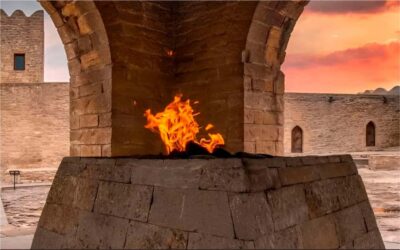
Mud Volcan-Fire Temple and Mountain Tour/Entrance inc
Read our review →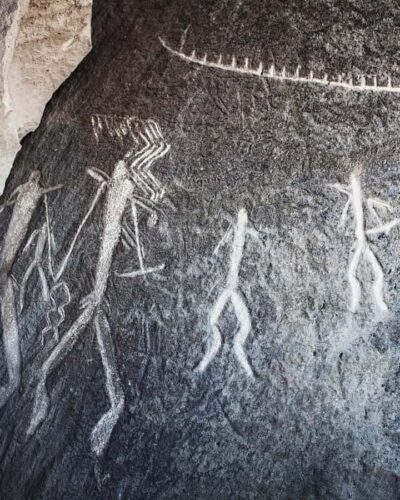
Gobustan Mud Volcanoes Temple & Entry tickets included
Read our review →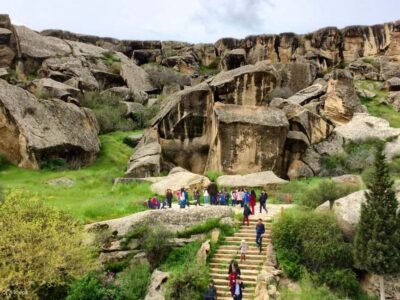
Gobustan-Absheron Tour with Hotel PICK UP and DROP OFF
Read our review →
Gobustan/Absheron guided tour with lunch and tickets
Read our review →Browse the lists this tour appears in