
Reviewed · GOBUSTAN MUD VOLCANO TOURS
Baku: Gobustan, Mud Volcano, Fire Temple & Burning Mountain
Azerbaijan packs an astonishing amount of earth, faith, fire, and oil into one day. This tour takes you from 20,000-year-old rock carvings to bubbling mud volcanoes, then on to temples and a mountain that burns from natural gas.
I like the sheer range of the route, and I like that it works well when you have only a short stay in Baku. The main drawback is the long road time: about six hours of the eight-hour day is spent driving, so this is a fast survey rather than a relaxed visit.
In This Review
- Key points to know
- Why this Baku day trip covers so much
- Gobustan rock art and the first chapter of Azerbaijan
- Mud volcanoes: a strange 45-minute stop
- Bibi-Heybat Mosque and Baku’s religious story
- The 1846 oil-well stop
- Lunch in Baku, with the final cost in mind
- Ateshgah Fire Temple and the meaning of the flame
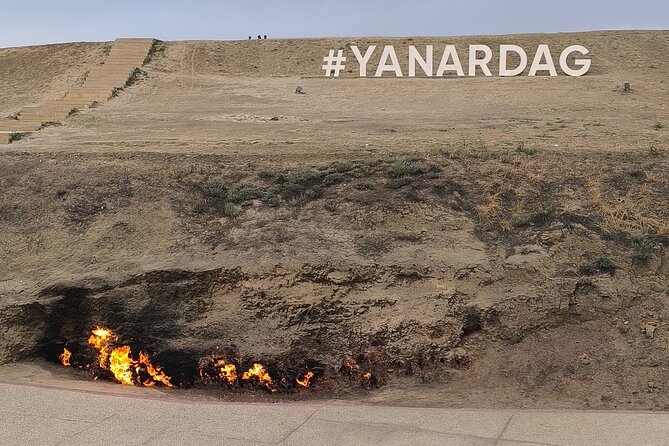
- Yanardag and Mammadli’s burning hillside
- The Heydar Aliyev Cultural Center finish
- What the $7 price really means
- Timing, pickup, and who should book
- Should you book this Baku excursion?
- FAQ
- How long does the tour last?
- What time does the tour start?
- Where does the tour start?
- Is lunch included?
- Are entrance tickets included?
- Is transport to the mud volcanoes included?
- How large can the group be?
- Can I cancel for a full refund?
Key points to know
- Gobustan’s rock art gives you a direct look at prehistoric life through carved images on open stone surfaces.
- The mud volcano stop requires care with pricing: transport to the volcanoes may cost an extra 30 AZN if you do not choose the all-inclusive option.
- Ateshgah and Yanardag connect Azerbaijan’s fire traditions with its natural gas and oil story.
- A maximum group size of 17 keeps this more manageable than a large coach tour, though the day still covers a lot of ground.
- The $7 headline price is only the basic starting cost unless you add lunch and entrance tickets.
- Guide Murad is named for this experience, so if he is assigned to your departure, you can expect a guide-led explanation at the main stops.
Why this Baku day trip covers so much
This is not a slow cultural tour. It is a broad sampler of the sights outside central Baku, linked by a substantial amount of road travel.
You begin around 9:00 am and return after roughly eight hours. The route includes Gobustan, the mud volcanoes, Bibi-Heybat Mosque, an oil-well site, Ateshgah Fire Temple, Yanardag, Mammadli village, and a final view of the Heydar Aliyev Cultural Center.
That range is the appeal. In one day, you see prehistoric carvings, unusual geology, Islamic architecture, early petroleum history, Zoroastrian worship, natural flames, and a modern architectural symbol of Baku.
The tradeoff is simple. You will not have long at every stop, and the road sections can feel like the main event. If you want a close study of Gobustan alone, choose a focused tour. If you want to connect several of Azerbaijan’s defining themes in a single day, this route makes sense.
The group can include up to 17 people. That is large enough for a social shared excursion but smaller than many full-size sightseeing buses. You receive an air-conditioned vehicle and an English-speaking guide, both useful on a day that crosses dry, exposed areas and requires repeated transfers.
More gobustan mud volcano tours in Baku:
- Baku: Gobustan, Mud Volcano, Fire Mount, Temple Lunch Entry
★ 4.9 · 3,246 reviews - BEST Gobustan, Volcanoes & Absheron Fire Tour (Group or Private)
★ 5.0 · 1,254 reviews - Gobustan and Absheron tour (All inclusive)
★ 5.0 · 1,014 reviews
Gobustan rock art and the first chapter of Azerbaijan
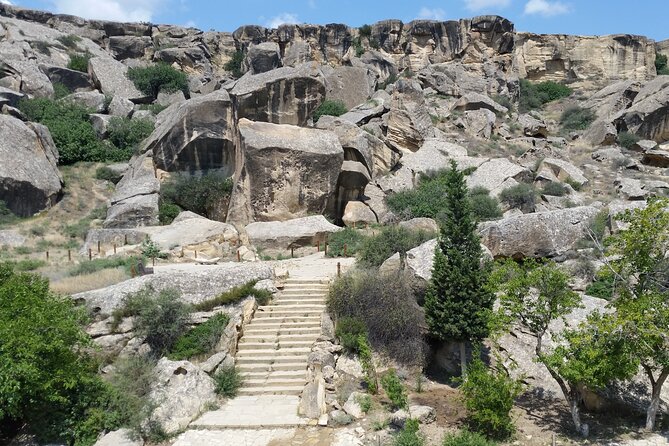
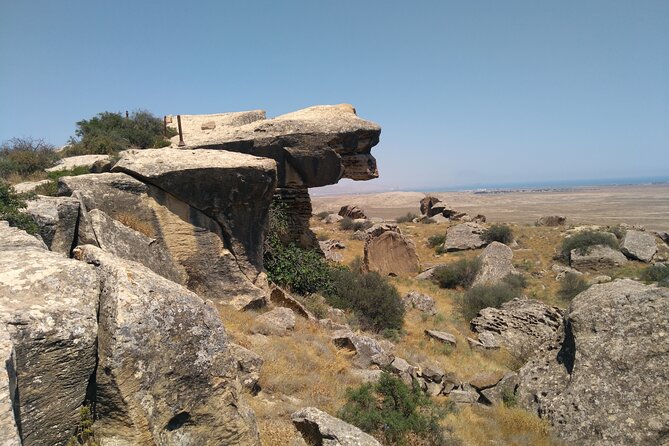
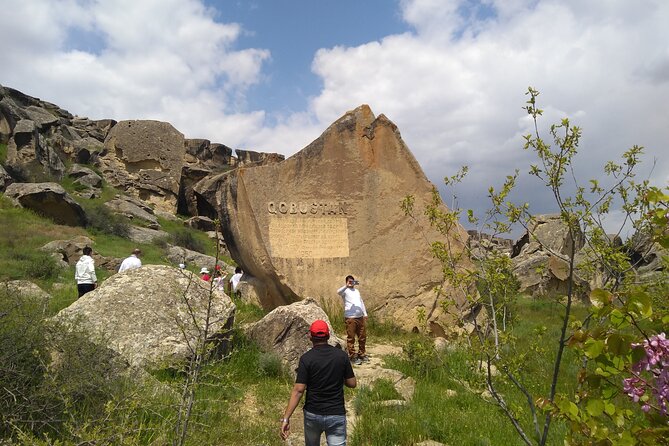
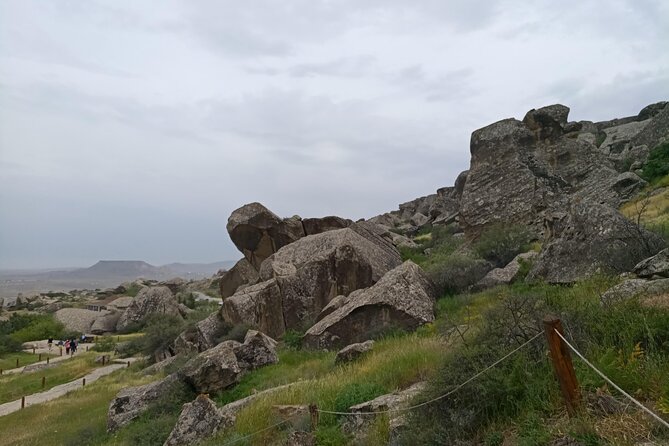
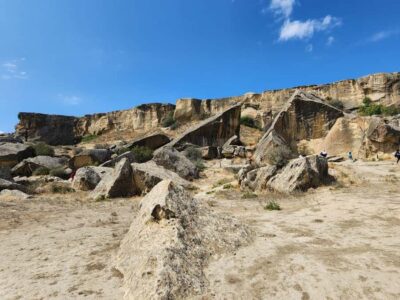
Your first major stop is Gobustan Settlement, where you spend about an hour around ancient rock carvings. Some are dated to more than 20,000 years ago.
The value here is not just the age. The carvings offer a direct record of people, animals, and daily life from a time long before written records. Your guide helps give the images meaning, since a quick walk past marked stones can otherwise leave you wondering what to look for.
Allow for walking on uneven outdoor ground. The tour data does not specify the exact walking conditions, so sensible shoes are a good idea. The one-hour visit is enough for an introduction, but not for a long archaeological study.
Admission to Gobustan is not included in the basic option. The stated ticket cost is 10 AZN if you do not select a package that includes entry. Check the exact option before paying, since the low advertised price does not tell you the final cost of the day.
I would pay close attention here rather than rushing for photographs. Gobustan is the stop that gives the rest of the tour a human starting point. Later, the route shifts to fire, fuel, and architecture. Here, you begin with people recording their world on stone.
Mud volcanoes: a strange 45-minute stop
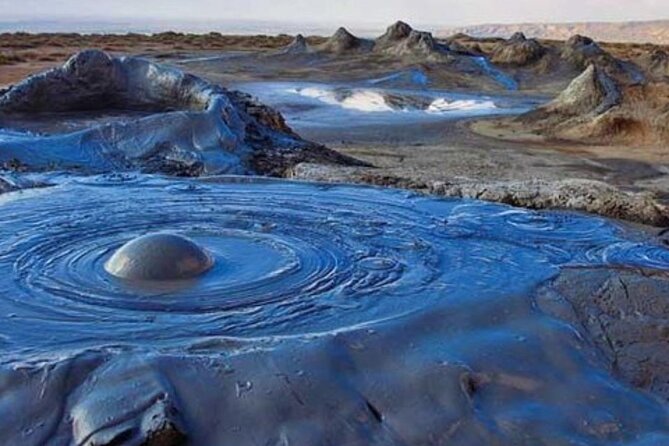
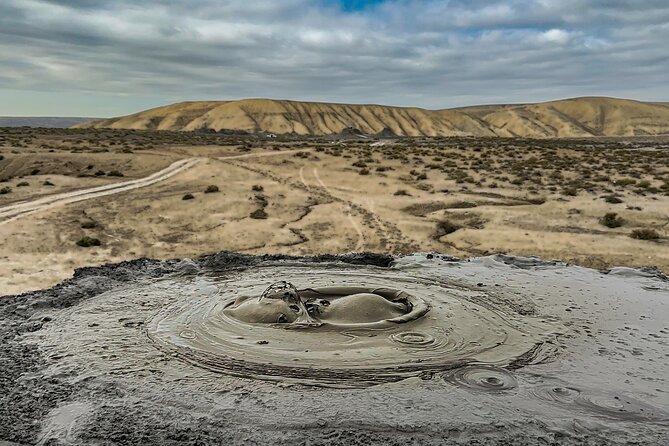
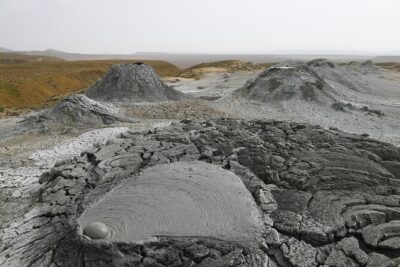
The Gobustan mud volcanoes provide one of the most unusual sights on the route. Azerbaijan has the highest number of mud volcanoes in the world, and the stop is designed to explain why these formations occur.
Mud volcanoes are not the same as hot lava volcanoes. They push mud and gases toward the surface, creating low cones and wet, bubbling patches. The attraction is the oddness of the setting rather than a grand monument or polished museum.
You have about 45 minutes here. That is enough time to look around with the guide and understand the basic geology, but conditions can affect how much you see. The tour requires good weather, and poor weather can lead to a different date or a full refund.
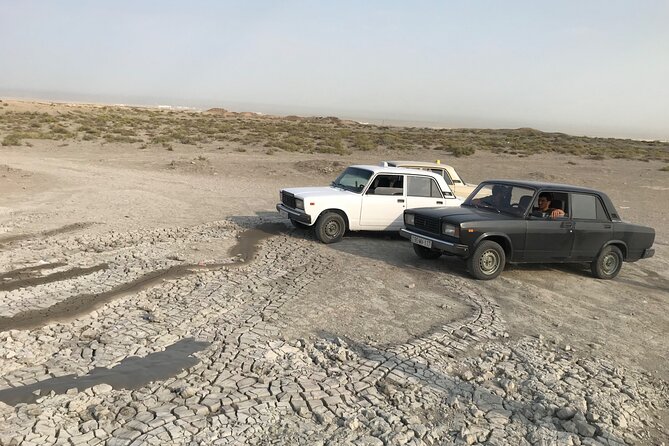
Pay special attention to the transport arrangement. The included vehicle gets you through the main route, but a separate car to the mud volcanoes costs 30 AZN if you do not choose the all-inclusive option. This is one of the most important details in the booking choice.
The mud volcano stop can be a highlight for anyone who enjoys odd natural phenomena. It may be less satisfying if you expect a major visitor center, long walking route, or dramatic volcanic eruption. Think of it as a short, unusual field stop.
Bibi-Heybat Mosque and Baku’s religious story
The visit to Bibi-Heybat Mosque is brief, listed at about 20 minutes. That timing makes it a photo and orientation stop rather than a full architectural visit.
Bibi-Heybat is an important Islamic monument and a spiritual center for Muslims in the region. The stop adds balance to a route often associated with fire worship and oil. It also reminds you that Azerbaijan’s identity is not limited to its unusual geology or petroleum past.
Because the visit is short, you may not have time to inspect every detail. Dress and behave respectfully at this religious site, and follow your guide’s instructions about where you can enter or take photographs.
The mosque is especially useful in the middle of the day because it breaks up the long road sections with a strong cultural marker. I would not book this tour solely for Bibi-Heybat, but I appreciate its place in the wider story.
More ateshgah fire temple tours in Baku:
- Baku: Gobustan, Volcanoes, Fire Temple and Yanardag Day Trip
★ 4.7 · 433 reviews - Gobustan & Mud, Fire Temple, Burning Mountain (Group & Private)
★ 4.5 · 418 reviews - Gobustan-Mud Volcan-Fire Temple and Mountain Tour/Entrance inc
★ 5.0 · 267 reviews - Gobustan, Mud volcanoes, Fire temple, Fire mountain PRIVATE TOUR
★ 5.0 · 47 reviews
The 1846 oil-well stop
The route also visits the site of the world’s first mechanically drilled oil well, dating to 1846. This stop connects the natural gas and mud formations to Azerbaijan’s oil story.
The information provided does not give a separate visit length or ticket cost for this location. Treat it as a roadside historical stop within the broader route rather than a full museum visit.
Still, it matters. The day moves from natural features beneath the ground to the ways people have used them. The mud volcanoes show gases and mud reaching the surface. The oil-well stop shows the beginning of large-scale mechanical effort to reach underground fuel.
Your guide’s explanation will be important here, since the value lies in the context. Without that explanation, the stop may feel quick. With it, the route becomes a connected story rather than a string of unrelated attractions.
Lunch in Baku, with the final cost in mind
The itinerary allows about an hour for lunch in Baku. Lunch is optional and costs extra unless you choose the all-inclusive package.
This is useful after the morning’s outdoor stops and long drive. It also gives you a chance to compare the final price of the tour with the basic $7 starting figure. If lunch and entrance tickets are not included, your actual spend will be higher.
The all-inclusive option includes lunch and entry tickets. The standard option does not include lunch, the Gobustan ticket, or the Ateshgah and Burning Mountain combo ticket. Ask exactly what your selected package covers before confirming, particularly if you prefer a single up-front cost.
The lunch break is not presented as a culinary experience, so I would treat it as practical rather than a highlight. If you have strong food preferences, the optional format gives you more control, but the tour details do not specify the restaurant or menu.
Ateshgah Fire Temple and the meaning of the flame
Ateshgah Fire Temple is one of the day’s central sights. You spend roughly 45 minutes to an hour exploring this former Zoroastrian place of worship and learning about its eternal flame.
The temple is valuable because it brings together religion, natural gas, and the old name of Azerbaijan as a land associated with fire. The flame is not simply a visual trick. It helps explain why this area drew worshippers and why fire became such a strong part of its cultural identity.
The setting is more structured than the mud volcanoes. You can look at the temple courtyard, its rooms, and the central flame while your guide explains how the site was used. The exact amount of time may vary, since the supplied schedule gives both 45 minutes and an hour for this stop.
Entry is not included in the basic option. A combined ticket for Ateshgah Fire Temple and Burning Mountain costs 15 AZN if you do not select the package with tickets.
I would save questions for this stop. The guide-led explanation adds much more than a quick photograph of the fire. If your guide is Murad, his role is especially important because he is named as one of the guides associated with this experience and is described as providing detailed explanations.
Yanardag and Mammadli’s burning hillside
After Ateshgah, you continue to Yanardag State Historical, Cultural, and Natural Reserve in the village of Mammadli. You spend about 45 minutes exploring with the guide.
Yanardag, often called Burning Mountain, is known for its natural flame caused by gas rising from below the ground. It is a different experience from Ateshgah. At the temple, people built a place around fire. At Yanardag, the fire is part of the natural setting itself.
The stop works best when you view it as the second half of the fire story. Ateshgah explains worship and tradition. Yanardag shows the continuing presence of gas at the surface.
The Burning Mountain entry is paired with Ateshgah in the 15 AZN combo ticket. This makes the ticket relatively easy to understand, but only if you buy the correct package or pay for the combined entry separately.
Forty-five minutes is enough for a guided look, though it leaves little room for a long independent walk. As with Gobustan and the mud volcanoes, weather matters. The full tour requires good conditions and may be rescheduled or refunded if poor weather prevents operation.
The Heydar Aliyev Cultural Center finish
The final stop is a 30-minute visit outside the Heydar Aliyev Cultural Center. You do not receive a stated interior visit on this tour, so plan on seeing the building from the outside.
The center gives the day a sharp modern finish. After prehistoric carvings, ancient worship, and early oil history, you end with one of Baku’s best-known contemporary cultural buildings.
Half an hour is enough for exterior photographs and a short explanation from the guide. It is not enough for a full museum or exhibition visit. If the interior matters to you, you would need to return independently at another time, since this experience ends with an outside stop.
I like the contrast. The building may feel disconnected from Gobustan at first, but it shows how the tour moves from ancient Azerbaijan to modern Baku. Just do not confuse a photo stop with a full cultural-center visit.
What the $7 price really means
The advertised price of $7 per person is unusually low for an eight-hour excursion with transport and an English-speaking guide. It should be read as the base fare, not necessarily the final cost.
The basic option can exclude:
- Gobustan admission, listed at 10 AZN
- Ateshgah and Burning Mountain combo entry, listed at 15 AZN
- The car to the mud volcanoes, listed at 30 AZN
- Lunch
The all-inclusive package includes lunch and entry tickets. Since the route covers several paid attractions, compare the two options before booking. The cheapest choice may only be the best value if you are comfortable paying the added fees during the day.
The real value comes from combining several distant sites in one organized outing. Hiring separate transport to Gobustan, the mud volcanoes, Ateshgah, and Yanardag could be harder and less efficient during a short Baku stay.
The cost is less attractive if you want long visits, quiet time, or a specialist focus. You are paying for access to many places in one day, not for a leisurely pace at each one.
Timing, pickup, and who should book
The tour begins at 9:00 am. The published meeting point is Gosha Gala Square, 47 Kichik Qala, Baku, while the tour description also refers to pickup from your Baku hotel. Confirm the exact pickup arrangement after booking so you do not assume hotel pickup when you are expected at the square.
Travel time is included in the eight-hour duration, and about six hours of driving is included in the total. That figure deserves serious attention. You will spend much of the day in the vehicle, with shorter visits at several sites.
The tour suits you best if:
- You have only one or two days in Baku
- You want to see several major sights beyond the city center
- You enjoy unusual geology and cultural history
- You prefer a guide and arranged transport
- You are comfortable with a quick pace and long drives
It is less suitable if you want a deep visit to Gobustan, a full museum experience at the Heydar Aliyev Cultural Center, or a slow lunch and relaxed schedule.
Most people can participate, according to the tour information, but no specific accessibility details are provided. Ask the provider if you need exact information about walking surfaces, vehicle access, or assistance.
Free cancellation is available if you cancel at least 24 hours before the start time. Inside that window, the payment is not refunded and changes are not accepted. The activity can also be canceled if the minimum number is not reached, with a different date, another experience, or a full refund offered.
Should you book this Baku excursion?
Book it if you want a big-picture day outside Baku and accept that driving takes up most of the schedule. The combination of Gobustan, mud volcanoes, Ateshgah, and Yanardag is hard to match in one short visit without organized transport.
Before paying, check three things: your meeting point, the package inclusions, and the cost of the mud-volcano car. If the all-inclusive price remains reasonable, it will likely make the day easier and more predictable.
Skip it if you dislike packed itineraries or want to spend serious time at one archaeological or religious site. For a short Baku stay, though, this is a practical way to connect Azerbaijan’s oldest carvings, natural fires, oil past, and modern city in one long, memorable day.
FAQ
How long does the tour last?
The tour lasts approximately eight hours, including travel time. About six hours of driving is included in the total duration.
What time does the tour start?
The stated start time is 9:00 am.
Where does the tour start?
The listed meeting point is Gosha Gala Square at 47 Kichik Qala, Baku. The tour description also mentions hotel pickup from Baku, so confirm the exact arrangement after booking.
Is lunch included?
Lunch is included only if you select the all-inclusive package. Otherwise, lunch is optional and costs extra.
Are entrance tickets included?
Entry tickets are included only with the relevant all-inclusive option. Without that option, Gobustan costs 10 AZN, and the Ateshgah Fire Temple and Burning Mountain combo ticket costs 15 AZN.
Is transport to the mud volcanoes included?
A separate car to the mud volcanoes costs 30 AZN if you do not select an option that includes it.
How large can the group be?
The tour has a maximum group size of 17 people.
Can I cancel for a full refund?
Yes. You can receive a full refund if you cancel at least 24 hours before the experience starts. Cancellations and changes made within 24 hours are not refunded or accepted.
More Yanar Dag Burning Mountain Tours in Baku
- Gobustan & Mud, Fire Temple, Burning Mountain, H.A. Center
★ 4.6 · 46 reviews - Ateshgah Fire temple and Burning mountain tour
★ 4.5 · 42 reviews - Baku: Gobustan, Mud Volcanoes, Fire Temple, & Yanar Dag Tour
★ 4.8 · 36 reviews - Baku: Atashgah Fire Temple & Burning Mountain Half-Day Tour
★ 4.0 · 35 reviews
Just added around Baku
- Wine Tour Baku★ 5.0 · 4 reviews
- Traditional Azerbaijani Cuisine Workshop★ 5.0 · 5 reviews
- Tour to the North part of Azerbaijan Forests and Mountatin Quba★ 5.0 · 10 reviews
- Full Day KHINALUG and the Candy Mountains Tour★ 5.0 · 15 reviews
- Baku Sightseing Tour★ 5.0 · 12 reviews
- Small-Group Day Trip to Gobustan, Mud Volcanoes, Ateshgah & Yanar Dagh★ 4.5 · 3 reviews
- The Magnificent Baku Night Tour★ 5.0 · 3 reviews
- Sheki tour with overnight★ 5.0 · 5 reviews
Gobustan Mud Volcano Tours, compared.
Gobustan, Mud Volcano, Fire Mount, Temple Lunch Entry
Read our review →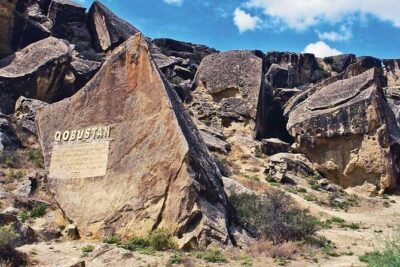
Gobustan, Volcanoes, Fire Temple and Yanardag Day Trip
Read our review →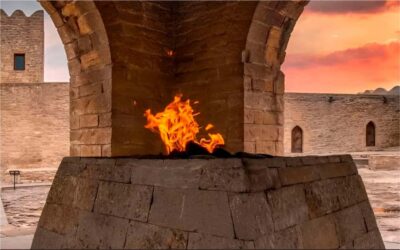
Mud Volcan-Fire Temple and Mountain Tour/Entrance inc
Read our review →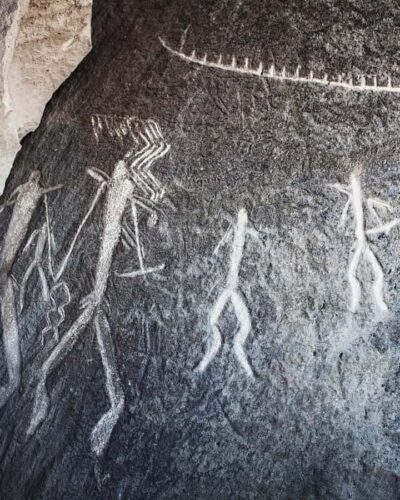
Gobustan Mud Volcanoes Temple & Entry tickets included
Read our review →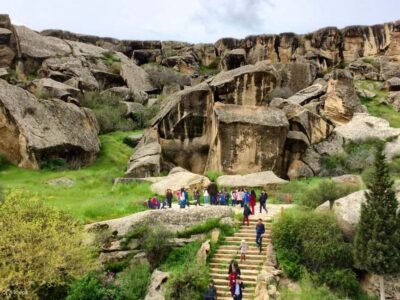
Gobustan-Absheron Tour with Hotel PICK UP and DROP OFF
Read our review →
Gobustan/Absheron guided tour with lunch and tickets
Read our review →Browse the lists this tour appears in