
Reviewed · GOBUSTAN MUD VOLCANO TOURS
Gobustan, Mud Volcano, Burning Land and Fire Temple Tour
Gobustan’s ancient rock carvings and Azerbaijan’s bubbling mud volcanoes make an unlikely pair, but that is exactly the appeal here. In a single private outing from Baku, you move from prehistoric art to natural gas fires, then on to the Zoroastrian atmosphere of Ateshgah and the flames of Yanar Dag.
I like the wide mix of sights and the ease of having a car, driver, and hotel pickup arranged. I also like the tour’s compact five-hour format, which works well if you have only a few days in Baku or are visiting for an event such as Formula 1.
The main thing to watch is the pace. Gobustan, the mud volcanoes, Ateshgah, and Yanar Dag cover very different parts of the region, so this is a highlights tour rather than a slow, in-depth visit. Entrance fees are also extra, and the advertised description includes several additional sights that are not listed among the timed stops.
In This Review
- Key points at a glance
- Why this Baku day trip feels different
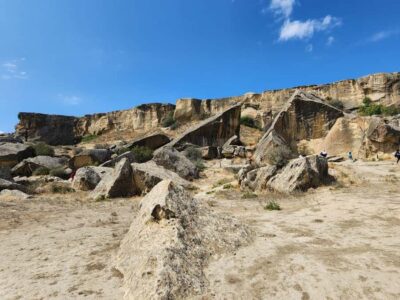
- Gobustan Museum and the first marks of human creativity
- Mud volcanoes and a short taste of another world
- Ateshgah Fire Temple and the power of sacred flame
- Yanar Dag, where the hillside burns
- The extra sights in the wider description
- What $65 buys you, and what it does not
- Timing, comfort, and the private format
- Who should book this experience?
- Should you book the Gobustan and Fire Temple tour?
- FAQ
- Where does the tour start and finish?
- How long does the tour last?
- Is transportation included?
- Is the tour private?
- What language does the driver speak?
- Are entrance fees included in the $65 price?
- Is food included?
- Are the mud volcanoes included?
- Does the tour include Ateshgah Fire Temple and Yanar Dag?
- Can I cancel for a full refund?
Key points at a glance
- Gobustan’s petroglyphs offer a direct look at prehistoric hunting, animals, and early human creativity.
- The mud volcano stop is short, unusual, and best suited to curious visitors who enjoy strange natural scenery.
- Ateshgah Fire Temple connects the Absheron Peninsula with Zoroastrian fire worship and pilgrimage.
- Yanar Dag gives you the memorable sight of flames burning on a hillside.
- Private transport and hotel pickup let you see a lot without arranging several separate taxis.
- The $65 price is reasonable for a private five-hour outing, but you must budget separately for entrance fees, meals, and personal spending.
Why this Baku day trip feels different
Many day trips from Baku focus on monuments or coastal views. This one has a more unusual shape. You begin with marks made by people thousands of years ago, then see mud pushed up by geological forces, and finish with fire used as a sacred symbol and a natural spectacle.
That sequence gives the day a clear sense of contrast. Gobustan asks you to look closely at stone. The mud volcanoes are about texture and motion. Ateshgah is quieter and more reflective, while Yanar Dag provides the big visual finish.
I would choose this tour for a first visit to Azerbaijan if I wanted to understand why the Absheron region feels so distinctive. It is not just a collection of photo stops. The route ties together human settlement, natural gas, religion, oil, and the long relationship between people and fire.
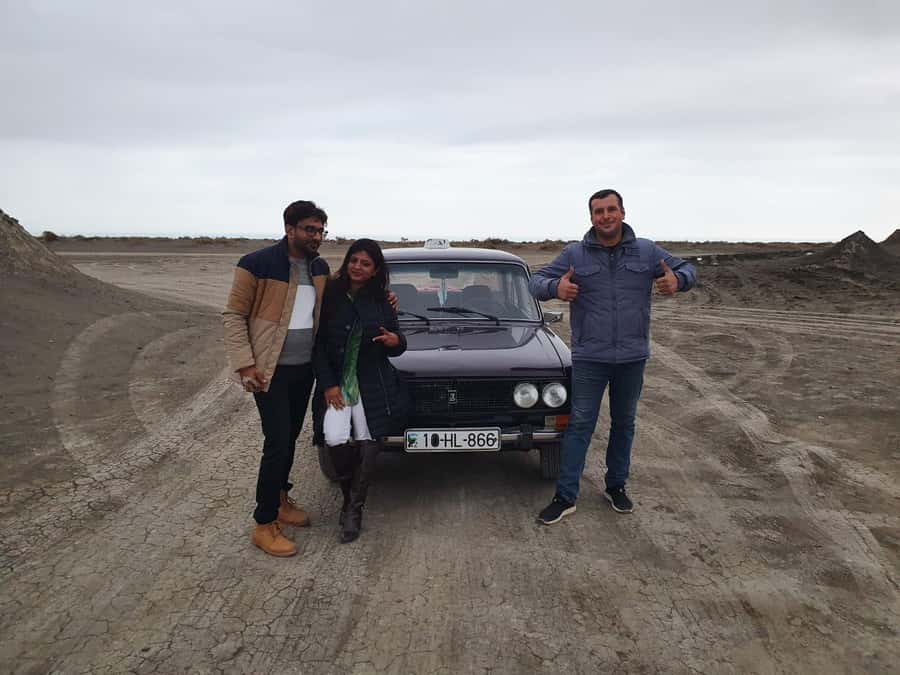
The private format matters. You are not sharing the vehicle with a large group, and the driver can provide English commentary. The listed guide language is English, with Russian also mentioned in the service details. Kamran is one driver associated with the experience, and a booking with him may be worth requesting if he is available. One important point: a particular driver cannot be guaranteed from the general tour information.
More gobustan mud volcano tours in Baku:
- Baku: Gobustan, Mud Volcano, Fire Mount, Temple Lunch Entry
★ 4.9 · 3,246 reviews - BEST Gobustan, Volcanoes & Absheron Fire Tour (Group or Private)
★ 5.0 · 1,254 reviews - Gobustan and Absheron tour (All inclusive)
★ 5.0 · 1,014 reviews
Gobustan Museum and the first marks of human creativity
Your first listed stop is the Gobustan National Park Museum, with about one hour for a guided visit. This is a useful place to begin because it gives you context before you look at the carvings outside.
The museum is described as a window into the dawn of human creativity. That may sound grand, but the basic idea is practical: you see how early people lived, what they hunted, and how their world was recorded in stone. The museum helps turn scattered images into a story.
The Gobustan Rock Art Cultural Landscape is UNESCO-listed, which signals its international importance. The attraction is not a single grand building. Its value comes from the collection of prehistoric petroglyphs and the setting in which they survive.
You may see carved figures and scenes connected with early life, movement, animals, and ritual. The supplied information does not give a precise list of every carving or specify the walking distance, so you should treat the one-hour visit as a compact introduction rather than a full archaeological study.
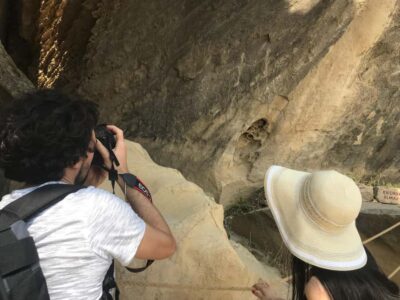
I like this stop because it rewards attention. At first, rock carvings can look faint or easy to miss. Your guide’s explanation is important here. Without context, a simple line in stone may not mean much. With context, it becomes evidence of how people observed and represented their world.
The drawback is that the visit may feel brief if prehistoric archaeology is your main interest. If you want extended time among the carvings, check the day’s exact schedule before booking. The tour’s overall design favors variety over long stays.
Mud volcanoes and a short taste of another world
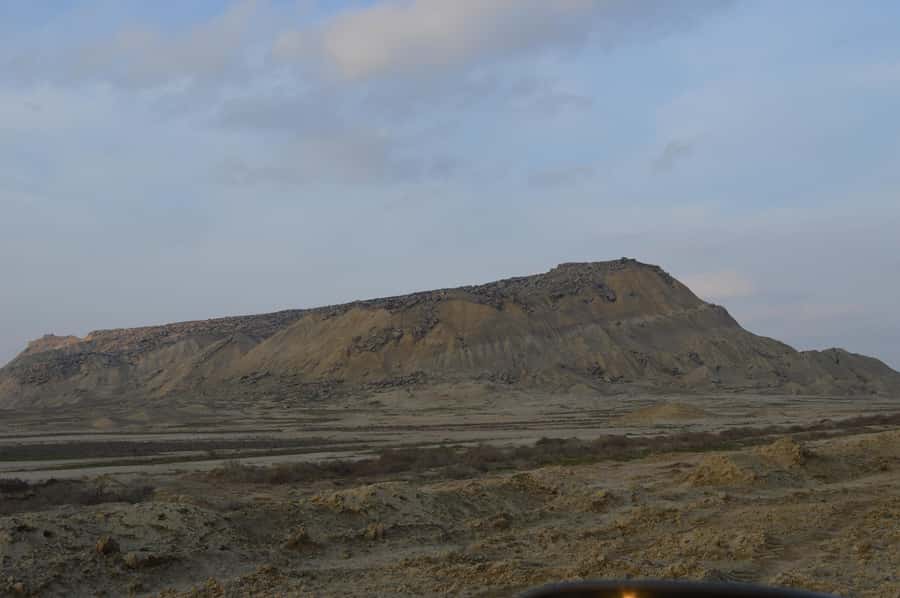
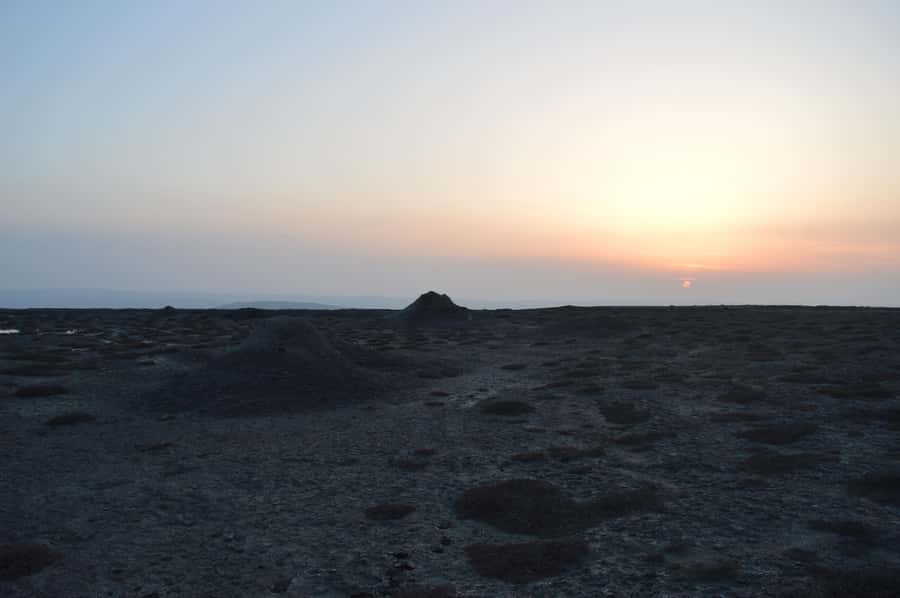
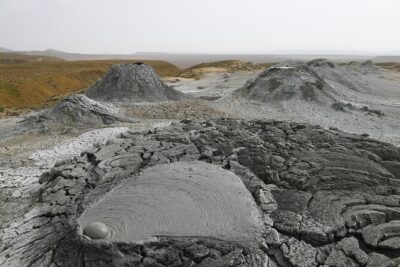
The mud volcano stop is scheduled for about 30 minutes. That is enough to see the bubbling pits, take photographs, and experience the oddness of the place, but not enough for a long nature walk or a leisurely exploration.
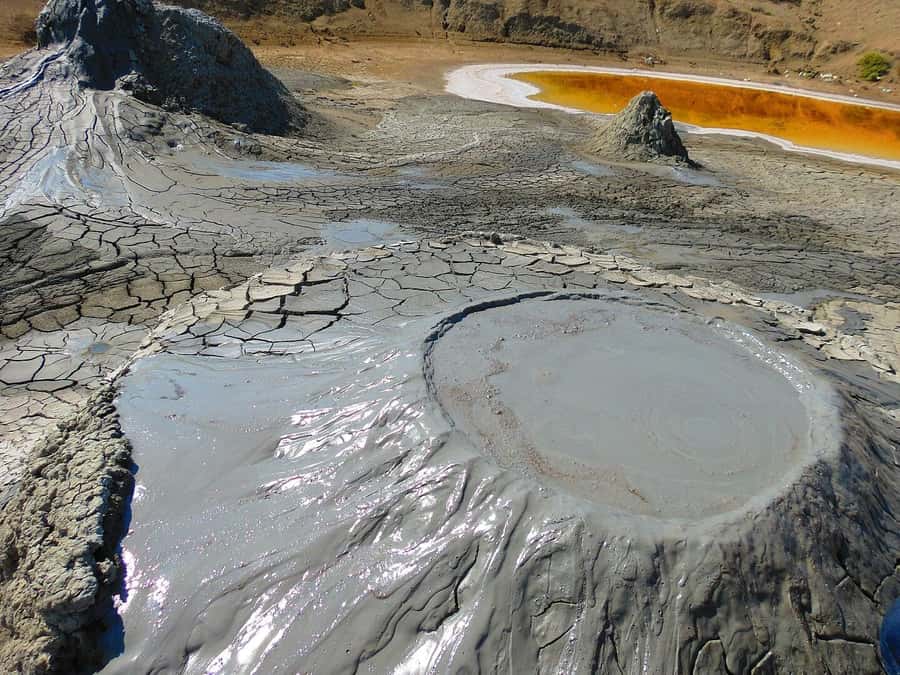
A mud volcano is not a volcano filled with hot lava. Mud, gas, and underground pressure produce the bubbling cones and pools. The result is a gray, cracked setting that can look almost artificial. Here, the ground itself becomes the attraction.
The tour description also mentions views toward the Caspian Sea. That contrast is part of the fun: quiet water in the distance, bubbling earth nearby. You get a strong sense that the Absheron Peninsula is shaped by forces below the surface as much as by its human history.
The mud bath is presented as a therapeutic experience using mineral-rich mud. It may be a pleasant novelty, especially if you enjoy spa treatments and unusual local customs. Still, the details do not specify exactly where the bath takes place, how long it lasts, or whether it is a formal spa facility. Ask the provider what the mud-bath portion includes before you count on it as a major part of the day.
I would also pack footwear and clothing you do not mind getting dirty if you plan to take the mud-bath option. That is practical advice rather than a promise about the facilities, since the listing does not spell out changing arrangements.
The short stop works well for a curious visitor who wants to see something unusual. It may disappoint you if you expect a long outdoor excursion or a polished wellness treatment. Think of it as a memorable natural stop, not the main event.
Ateshgah Fire Temple and the power of sacred flame
Ateshgah of Baku receives about one hour and is listed as a guided visit. This is one of the more meaningful stops because it brings history, religion, and the region’s natural gas together.
Ateshgah is associated with Zoroastrian heritage and served as a pilgrimage site. The temple’s central fire is the key image, but the site is also about the people who came here, the rituals they followed, and the way naturally occurring flames shaped religious belief.
The spiritual atmosphere is easy to understand even if you are not familiar with Zoroastrianism. Fire was treated as sacred, and the temple’s layout helps you picture a place built around pilgrimage and worship. The setting provides a calmer pause after the rough, open terrain around the mud volcanoes.
I recommend listening closely to the guide here. A short visit can otherwise become a quick walk around a courtyard with a fire in the middle. The English-speaking driver is expected to provide guiding, although the exact depth of the commentary may vary.
The one-hour allocation is more generous than the 30-minute stops. It gives you time to look at the structure, take in the religious setting, and ask questions. Entrance to historical buildings is not included in the $65 price, so set aside extra money for Ateshgah and the other paid sites.
More ateshgah fire temple tours in Baku:
- Baku: Gobustan, Volcanoes, Fire Temple and Yanardag Day Trip
★ 4.7 · 433 reviews - Gobustan & Mud, Fire Temple, Burning Mountain (Group & Private)
★ 4.5 · 418 reviews - Gobustan-Mud Volcan-Fire Temple and Mountain Tour/Entrance inc
★ 5.0 · 267 reviews - Gobustan, Mud volcanoes, Fire temple, Fire mountain PRIVATE TOUR
★ 5.0 · 47 reviews
Yanar Dag, where the hillside burns
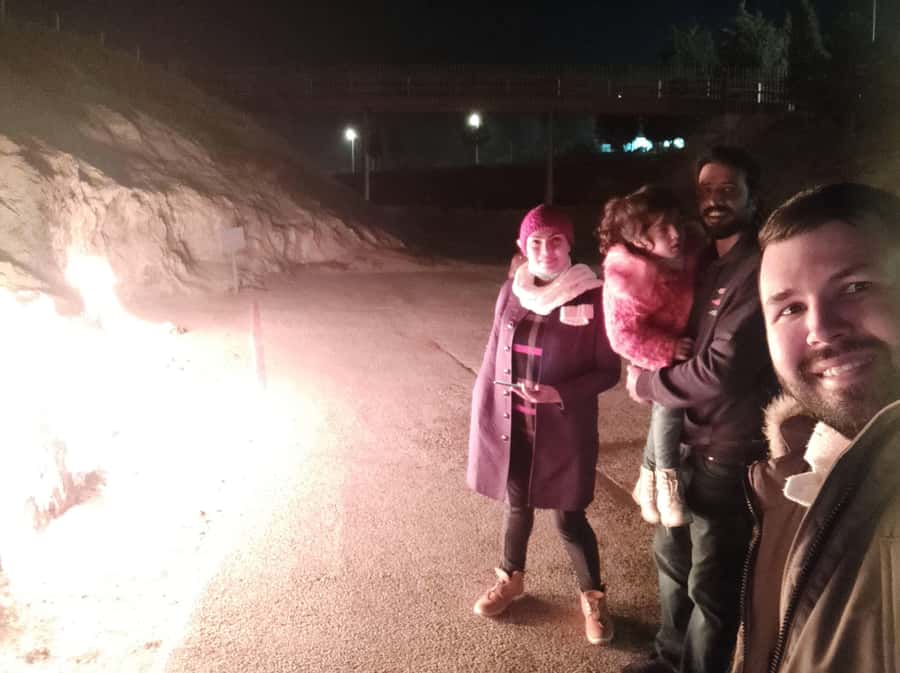
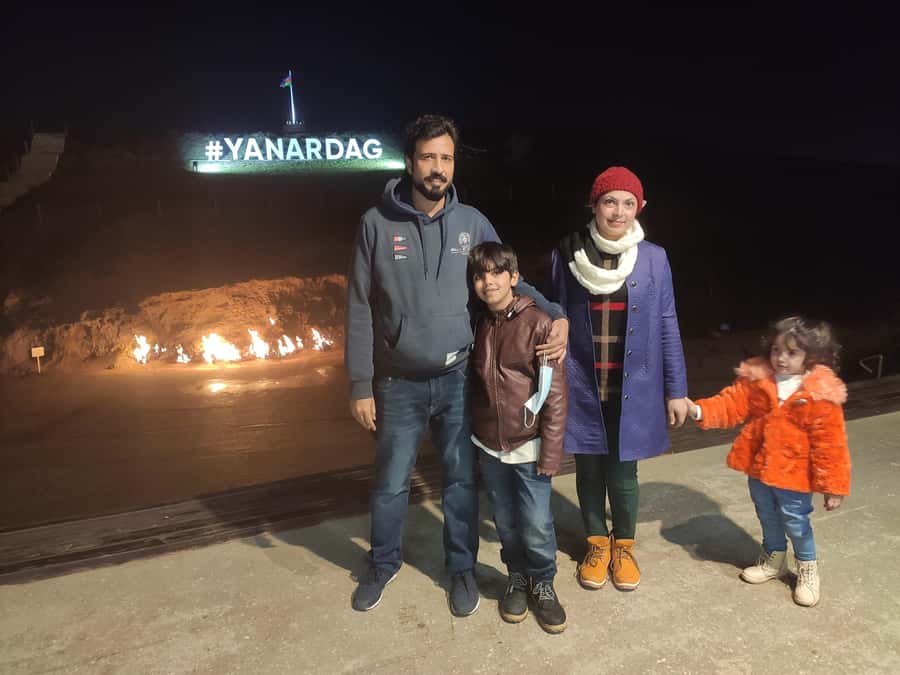
Yanar Dag, or Burning Mountain, is scheduled for about 30 minutes. The attraction is simple to describe: flames burn along a hillside, fed by natural gas beneath the ground.
The sight is most striking in lower light, and the description specifically points to the beauty of Yanar Dag after sunset. If your tour timing places this stop in the evening, the flames should have more visual impact against the darkening sky. If you visit in full daylight, you can still see the fire, but the effect may be less dramatic.
This is a good final stop because it gives the tour a clear visual ending. After the museum, carved rocks, mud, and temple, you finish with fire that is both geological and symbolic.
Thirty minutes should be enough for the main viewing area. You are unlikely to need a long visit unless you want to linger over photographs. The stop is less about guided interpretation than about seeing a rare and memorable natural display.
I would keep expectations realistic. Yanar Dag is a single attraction, not a full mountain hike. The value lies in the combination with the rest of the route.
The extra sights in the wider description
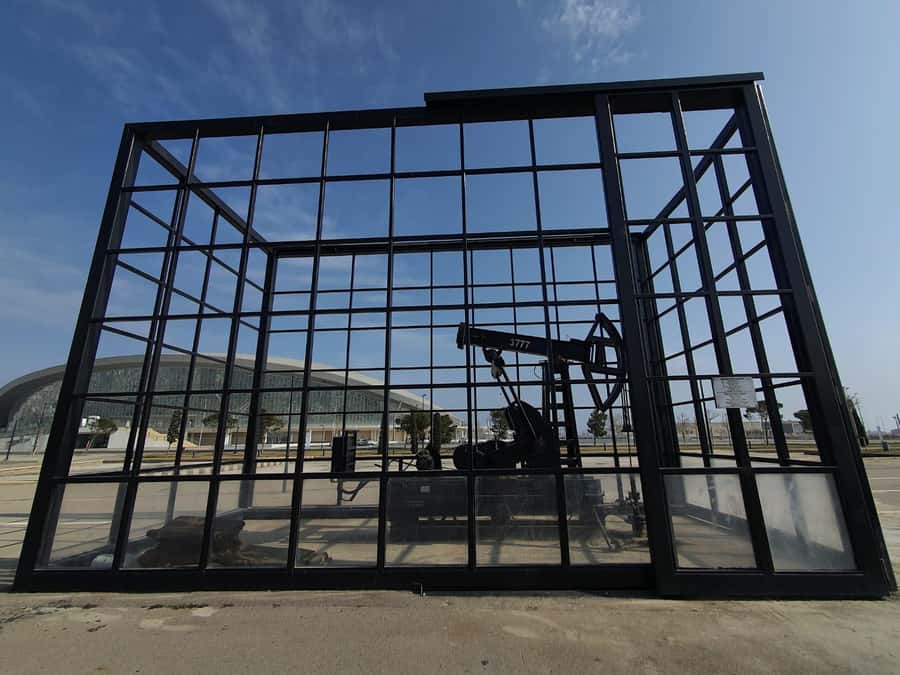
The tour information also names Bibiheybat Mosque, the world’s first industrially drilled oil well, Gaval Dash, local markets, authentic eateries, and the Heydar Aliyev Cultural Center. These are interesting additions, but they are not included in the four-stop timed itinerary shown for the five-hour tour.
That difference matters. The formal schedule lists Gobustan National Park Museum, mud volcanoes, Ateshgah, and Yanar Dag, followed by return to Baku. If Bibiheybat Mosque, the oil well, the cultural center, Gaval Dash, food stops, or markets are priorities, ask the provider if they are included on your chosen departure.
Gaval Dash is described as a medieval mausoleum with an old, mysterious atmosphere. The mosque and oil well would add more context about Azerbaijan’s religious and industrial past. The Heydar Aliyev Cultural Center offers a very different kind of architecture from Gobustan or Ateshgah.
I would not assume you can fit every named sight into five hours. A private car gives you some flexibility, but distance, opening times, traffic, and entrance stops still take time. Decide which four or five places matter most to you before setting off.
What $65 buys you, and what it does not
At $65 per person, the tour offers a useful package: private-group transport, an air-conditioned car, an English-speaking driver, and pickup and drop-off at your Baku hotel. If you are traveling with another person or a small private group, that convenience can compare well with arranging separate transport to remote sites.
The price is less attractive if you are looking only for a quick ride to one attraction. The value comes from combining several far-flung stops in one outing and avoiding the work of negotiating transport.
Food and beverages are not included. Personal expenses are also extra, and entrance fees to museums and historical buildings must be paid separately. The final cost will therefore be higher than the headline price, especially if you enter Gobustan’s museum and Ateshgah.
I see the tour as good value for visitors who want a private route and a driver who can explain what they are seeing. It is less suited to budget travelers who are happy using public transport or to specialists who want a long, detailed archaeological visit.
Free cancellation is available up to 24 hours before the tour for a full refund, and you can reserve now and pay later. Those terms help if your Baku schedule is still changing, but the more important planning question is timing: confirm the departure time and ask how the provider handles the optional sights.
Timing, comfort, and the private format
Five hours is an efficient length, but it is also a firm limit. You will spend part of the day in the car, since the route links Baku with sites in different parts of the Absheron area. The air conditioning is useful, particularly when outdoor stops feel exposed.
Hotel pickup and drop-off remove much of the day’s friction. You do not need to find a taxi before sunrise or work out how to return after visiting Yanar Dag. The private-group setup also makes the experience easier for couples, families, and small groups with a shared schedule.
The tradeoff is that a private tour can depend heavily on the individual driver. Kamran is specifically praised by name in one booking, with patience and guiding ability highlighted. If he is assigned to you, that could shape the day positively, but the general service promises an English-speaking driver rather than a specific person.
A Formula 1 visitor illustrates the tour’s usefulness. When you have four days in Baku, giving one day to the unusual sites outside the city is a smart use of time. You return with a broader picture of Azerbaijan than you would get from city monuments alone.
Who should book this experience?
I would recommend it to first-time visitors who want a broad introduction to the Baku region. It suits you if you enjoy archaeology, unusual geology, religious sites, and short scenic stops more than long hikes or extended museum visits.
It also fits a busy schedule. The five-hour format leaves room for another meal, city walk, or evening activity in Baku. Formula 1 visitors and people on a short city break may find this especially useful.
Families may like the variety, though the mud volcanoes and rock art will appeal differently to different ages. History fans should confirm whether the one-hour Gobustan visit is enough for them. Spa-minded visitors should ask for clear details about the mud bath before booking.
I would hesitate if your main goal is a relaxed day with long meals and plenty of time at each site. I would also hesitate if you need all entrance fees included in one price or if you want every extra sight named in the wider description.
Should you book the Gobustan and Fire Temple tour?
Book it if you want maximum variety in five hours, private hotel transport, and a route that connects prehistoric art, bubbling mud, sacred fire, and a burning hillside. The $65 starting price is fair for that convenience, provided you remember that entrance fees, food, and personal expenses are separate.
Before paying, confirm the exact stops, the mud-bath arrangements, the departure time, and whether Kamran is available if you specifically want him. If you accept a fast-paced highlights tour, this is one of the most efficient ways to see the unusual side of Absheron.
FAQ
Where does the tour start and finish?
The tour provides pickup in Baku and returns you to Baku. Hotel pickup and drop-off are included.
How long does the tour last?
The stated duration is five hours. The listed schedule includes one hour at Gobustan National Park Museum, 30 minutes at the mud volcanoes, one hour at Ateshgah, and 30 minutes at Yanar Dag, plus driving time.
Is transportation included?
Yes. Transportation in a comfortable air-conditioned car is included.
Is the tour private?
Yes. The group type is listed as a private group.
What language does the driver speak?
The activity lists an English-speaking driver. Russian is also mentioned in the service details, but the additional information specifically identifies English as the tour language.
Are entrance fees included in the $65 price?
No. Entrance fees to museums and historical buildings are not included.
Is food included?
No. Food and beverages are not included. Personal expenses are also separate.
Are the mud volcanoes included?
Yes. The mud volcanoes are listed as a 30-minute stop. The description also mentions a therapeutic mud bath, but it does not specify all details of that activity.
Does the tour include Ateshgah Fire Temple and Yanar Dag?
Yes. Ateshgah is listed with a one-hour guided visit, and Yanar Dag is listed with a 30-minute guided visit.
Can I cancel for a full refund?
Yes. You can cancel up to 24 hours in advance for a full refund. You can also reserve now and pay later.
Just added around Baku
- Wine Tour Baku★ 5.0 · 4 reviews
- Traditional Azerbaijani Cuisine Workshop★ 5.0 · 5 reviews
- Tour to the North part of Azerbaijan Forests and Mountatin Quba★ 5.0 · 10 reviews
- Full Day KHINALUG and the Candy Mountains Tour★ 5.0 · 15 reviews
- Baku Sightseing Tour★ 5.0 · 12 reviews
- Small-Group Day Trip to Gobustan, Mud Volcanoes, Ateshgah & Yanar Dagh★ 4.5 · 3 reviews
- The Magnificent Baku Night Tour★ 5.0 · 3 reviews
- Sheki tour with overnight★ 5.0 · 5 reviews
Gobustan Mud Volcano Tours, compared.
Gobustan, Mud Volcano, Fire Mount, Temple Lunch Entry
Read our review →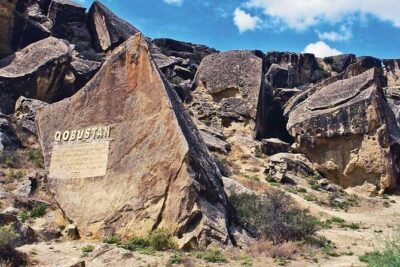
Gobustan, Volcanoes, Fire Temple and Yanardag Day Trip
Read our review →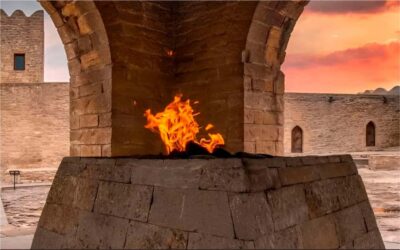
Mud Volcan-Fire Temple and Mountain Tour/Entrance inc
Read our review →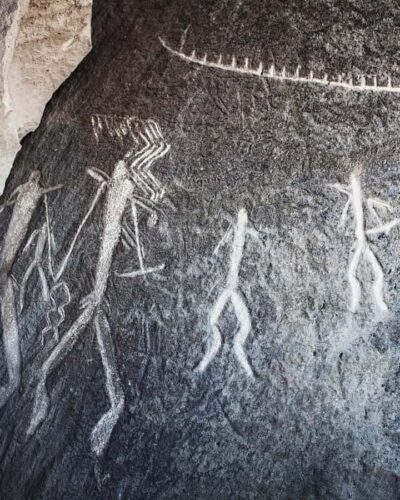
Gobustan Mud Volcanoes Temple & Entry tickets included
Read our review →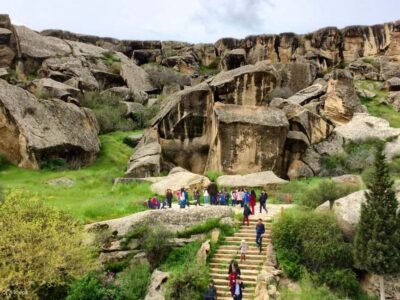
Gobustan-Absheron Tour with Hotel PICK UP and DROP OFF
Read our review →
Gobustan/Absheron guided tour with lunch and tickets
Read our review →Browse the lists this tour appears in