
Reviewed · GOBUSTAN MUD VOLCANO TOURS
Majestic Journey to Qobustan and Absheron
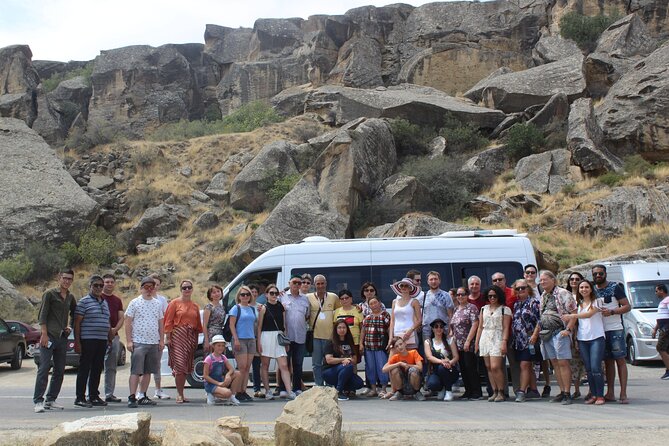
Qobustan’s mud volcanoes look like a film set on another planet, while its nearby rock art reaches back into human prehistory. Add a fire temple, a gas-fed mountain flame, a medieval castle, and one of Baku’s most important mosques, and you get a packed introduction to Azerbaijan beyond the capital. I especially like the mix of natural oddities and old religious sites, plus the chance to try Azerbaijani food during the lunch stop.
I also like that hotel pickup, an air-conditioned vehicle, and a professional guide are included. The main drawback is the pace: seven hours covers a lot of road and seven stops, so you should expect a highlights tour rather than long, quiet visits. The extra entrance fees also raise the real cost above the advertised $52.98.
In This Review
- Key points at a glance
- Why this seven-hour route works
- Bibi-Heybat Mosque, Baku’s graceful opening stop
- Mud volcanoes and the gray edge of the earth
- Qobustan’s carvings and two ways to read the past
- Lunch in Baku White City
- Yanar Dag, where the hillside burns
- Ramana Castle and a medieval change of mood
- Ateshgah Fire Temple and the old faith of Absheron
- What the $52.98 price really covers
- Timing, transport, and what to bring
- Who should book this Baku day trip?
- Should you book it?
- FAQ
- How long does the Qobustan and Absheron tour last?
- What time does the tour start?
- Is hotel pickup included?
- Where does the tour start?
- What is included in the $52.98 price?
- How much are the listed entrance fees?
- Is lunch included?
- What sights are included?
- Can I cancel for a full refund?
Key points at a glance
- Mud volcanoes are the unusual star: Azerbaijan has 354 of the world’s roughly 800 mud volcanoes, and this stop gives you a close look at their strange, bubbling terrain.
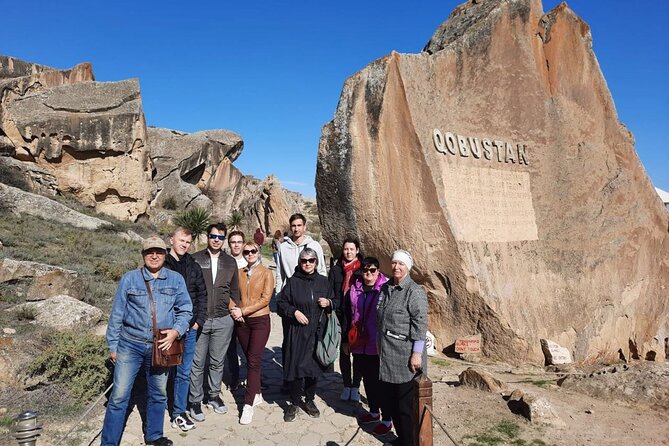
- Qobustan joins open-air archaeology with technology: You visit ancient rock carvings and a modern interactive museum in the same reserve.
- Fire shapes the Absheron visit: Yanar Dag and Ateshgah show two different sides of Azerbaijan’s old fire traditions.
- The day includes more than the headline sights: Bibi-Heybat Mosque and Ramana Castle add religious and medieval context.
- The price needs careful reading: The $52.98 rate excludes lunch and 40 AZN in listed admission fees.
- Transport saves time in a spread-out region: Hotel pickup, air conditioning, and drop-off in the Old City are useful on a long day outside Baku.
Why this seven-hour route works
This outing is built around contrast. You move from a working place of worship to prehistoric carvings, from gray mud cones to natural flames, and from an ancient fire temple to a medieval fortress. I like that range because it gives you more than one version of Azerbaijan in a single day.
The route also makes practical sense for a first visit to Baku. Qobustan and Absheron are separate areas, and arranging transport between them can be awkward if you do not have a car. A guided vehicle takes care of the long connections and lets you see several sites without working out separate taxis or buses.
Still, you need to keep your expectations in check. The stated seven hours includes travel time, and the schedule allows only 30 to 90 minutes at most stops. This is a good way to sample the region. It is not the right choice if you want a slow archaeological visit or a long lunch.
The group can have up to 18 people. That is small enough to be manageable, but it is not a private tour. Your experience will depend partly on the day’s group size and how efficiently everyone gets on and off the vehicle.
More gobustan mud volcano tours in Baku:
- Baku: Gobustan, Mud Volcano, Fire Mount, Temple Lunch Entry
★ 4.9 · 3,246 reviews - BEST Gobustan, Volcanoes & Absheron Fire Tour (Group or Private)
★ 5.0 · 1,254 reviews - Gobustan and Absheron tour (All inclusive)
★ 5.0 · 1,014 reviews
Bibi-Heybat Mosque, Baku’s graceful opening stop
The tour begins at Bibi-Heybat Mosque, with about 30 minutes inside. Admission is free, so this is an easy first stop and a useful introduction to Azerbaijan’s religious life.
The mosque is associated with the tomb of relatives of the Prophet Muhammad, and that connection gives the site deep importance for Muslims. Inside, you can expect an ornate interior rather than the bare stone and archaeological remains found later at Qobustan.
I like starting here because it gives the day a human and spiritual center before the more unusual natural stops. Dress respectfully, and remember that this is an active religious site. The short visit means you will get an overview rather than a detailed architectural study.
Mud volcanoes and the gray edge of the earth
The mud volcano stop lasts about 40 minutes, with admission listed as included in the route description but also separately priced at 15 AZN in the cost details. Because of that inconsistency, confirm at booking or with the operator which payment applies on your date.
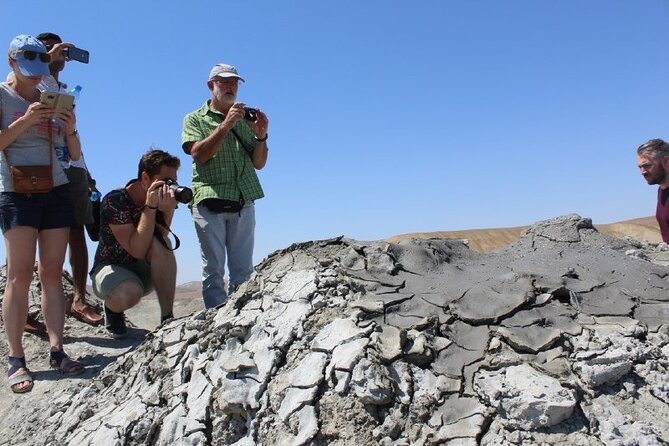
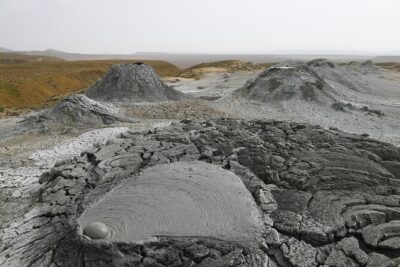
Azerbaijan is famous for its mud volcanoes, with 354 of the world’s approximately 800 found here. These are not lava volcanoes. They push cool mud and gases to the surface, creating low cones, puddles, and crusty formations that can look remarkably strange.
This is one of the day’s most distinctive sights. I would not expect a grand mountain view or a long hiking route. The appeal is the oddness of the ground itself, with mud bubbling and spreading in a setting that feels far removed from Baku.
The tour information also notes claimed therapeutic qualities for skin, joints, and bones. Treat that as background rather than medical advice. You should not apply mud to yourself unless your guide clearly explains that it is safe and permitted.
The road and access conditions may be less polished than at a city museum, so wear practical shoes and clothes you do not mind getting dusty. Since the visit is brief, stay close to the guide and use your time for photographs and a quick look at the formations.
Qobustan’s carvings and two ways to read the past
Qobustan State Historical and Artistic Reserve is the main cultural stop, with about 90 minutes allotted. The site has been protected by UNESCO since 2007 and includes two different museums.
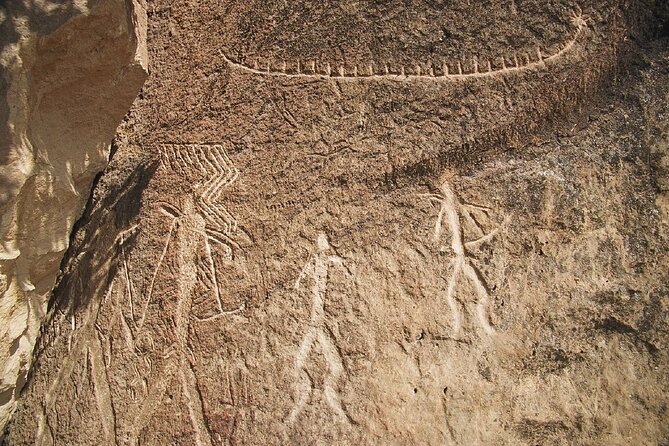
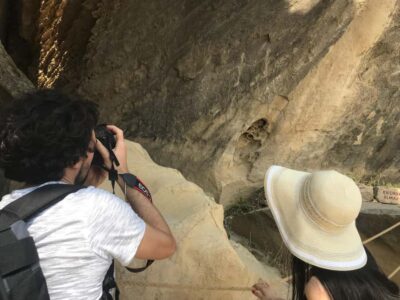
The open-air section takes you among caves and rock shelters marked with ancient carvings. These images offer clues about early people, animals, movement, and daily life. You are not simply looking at old stones. You are seeing one of the few surviving records left by people who had no written archive.
The second museum, built in 2011, uses interactive technology to explain the reserve. I like this pairing. The outdoor carvings can be difficult to interpret on your own, while the modern displays help connect small marks on rock with a larger picture of early human life.
Ninety minutes is enough for a useful introduction, especially with a guide, but it can feel short if you want to examine every panel or spend a long time outdoors. The reserve is a place where a good explanation matters, so listen closely and ask questions while the group is together.
This stop also shows why the tour is more than a collection of scenic detours. Qobustan places Azerbaijan within a much longer human story, and the combination of archaeology and digital presentation makes the visit easier to understand.
More absheron peninsula tours in Baku:
- Baku: Gobustan Absheron Tour Entry Tickets included
★ 4.9 · 329 reviews - Baku: Gobustan-Absheron Tour with Hotel PICK UP and DROP OFF
★ 4.8 · 170 reviews - Baku: Gobustan/Absheron guided tour with lunch and tickets
★ 4.8 · 158 reviews - Gobustan and Absheron peninsula ( Group or Private ) TOUR ( All inclusive )
★ 5.0 · 130 reviews
Lunch in Baku White City
After the first half of the route, the group stops for lunch at a restaurant serving Azerbaijani cuisine. The break lasts about an hour, and lunch is not included in the tour price.
This is a welcome pause after the morning’s outdoor and museum visits. A local meal can help you understand the country through its food, not only through monuments and geology. The tour description says the restaurant offers a tasty buffet, though the price of your meal is separate.
Because no menu or lunch price is provided, bring enough money and ask what is included before ordering. I would also use this hour to recharge rather than rush. A long day with several short stops is easier when you treat lunch as a real break.
The stop is in Baku White City, which gives the day a city connection between the Qobustan and Absheron sections. The itinerary does not promise a full walking tour of the district, so think of it mainly as the designated meal stop.
Yanar Dag, where the hillside burns
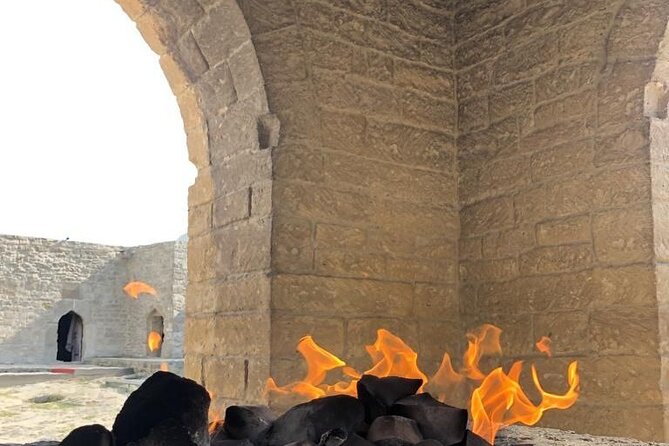
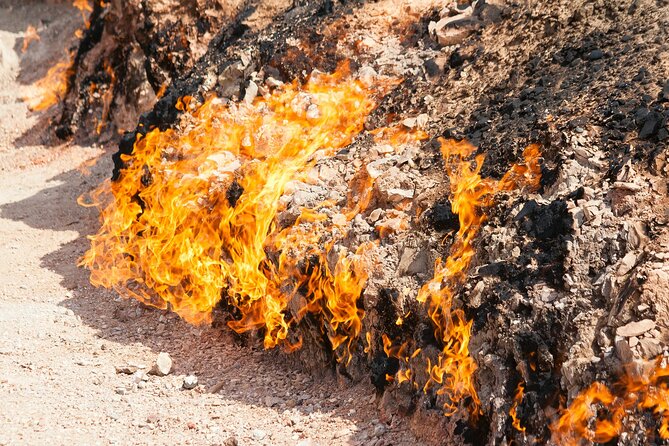
Yanar Dag, or Fire Mountain, is the next natural spectacle and receives about 30 minutes. Gas escaping from the ground creates an open flame on the hillside, giving the site its memorable appearance.
The fire tradition of Absheron has attracted attention for centuries. The tour description connects the eternal flames with accounts attributed to figures such as Marco Polo and Attila the Hun, and places the sacred-fire tradition thousands of years in the past.
I find this stop most interesting when you separate the modern sight from the old beliefs surrounding it. You are looking at a natural gas flame, but you are also seeing why fire became central to local religious thought. That connection leads naturally to Ateshgah later in the day.
Half an hour is enough to see the flame and hear the explanation. It is not enough for a long walk or a broad exploration of the surrounding area. The listed admission is part of the 15 AZN combined cost for Fire Temple and Fire Mountain, according to the tour details.
Ramana Castle and a medieval change of mood
Ramana Castle gets about 40 minutes. The fortress has kept its medieval form and is linked in the description with a district founded by soldiers of the Roman Empire.
This stop changes the rhythm again. After mud, carvings, and fire, you get a solid stone structure tied to military history. The castle helps show that Absheron was not only a place of sacred flames and natural gas. It was also a strategic area where fortified settlements mattered.
The information supplied does not specify whether you climb the tower or enter every part of the castle, so ask your guide what access is available on the day. Even if the visit is mainly from outside, 40 minutes gives you time to take in the structure and hear its story without feeling rushed.
I like the inclusion of Ramana Castle because it prevents the tour from becoming too narrowly focused on fire-related attractions. The drawback is that seven stops leave little room for spontaneous exploration. You will see the castle as one chapter in a broad route, not as a full standalone visit.
Ateshgah Fire Temple and the old faith of Absheron
Ateshgah is the final major stop, with about 50 minutes. This temple is linked with fire worship, Zoroastrianism, and Hinduism, making it one of the most important places on the route for understanding the religious traditions of Absheron before and alongside Islam.
The temple represents a meeting point of different teachings and communities. Fire was treated as sacred, and the old tradition remains visible in Azerbaijan’s Novruz celebration, which is still observed as a national holiday.
I appreciate having Ateshgah after Yanar Dag. At the mountain, you see a natural flame. At the temple, you see how people built belief and ritual around fire. Taken together, the two stops explain why flames became such a strong part of the region’s identity.
The listed admission for Ateshgah and Yanar Dag is 15 AZN. The visit is likely to be most rewarding if you pay attention to the guide’s explanation of the three religious influences rather than treating the temple as only a photo stop.
What the $52.98 price really covers
At $52.98 per person, the tour offers a fair way to reach several spread-out sights without arranging your own transport. The included professional guide, air-conditioned vehicle, hotel pickup, and drop-off in the Old City add real value, especially if you are staying in Baku and want one organized day outside the center.
The advertised price is not the final spend. You should budget for:
- Gobustan admission: 10 AZN
- Fire Temple and Fire Mountain admission: 15 AZN
- Mud Volcanoes Complex admission: 15 AZN
- Lunch, priced separately
That adds 40 AZN in listed entrance fees, plus food. The supplied details conflict slightly on whether the mud volcano admission is included, so confirm this before you go. The same applies to the meeting information: hotel pickup is offered, while the listed start point is Heydar Aliyev International Airport and the end point is described as the meeting point, even though the inclusions specify drop-off in the Old City.
The tour is booked, on average, 13 days ahead. That does not guarantee availability, but it is a useful sign that you should not assume a last-minute space during a busy period.
Timing, transport, and what to bring
The start time is 9:00 a.m., and total duration is about seven hours. Since the route covers Baku, Qobustan, and Absheron, you will spend a meaningful part of the day in the vehicle.
Hotel pickup is convenient, and air conditioning matters in a region where outdoor stops can be tiring. A mobile ticket and booking confirmation at the time of purchase also make the morning simple, provided you verify the exact pickup point.
I would bring:
- Comfortable walking shoes
- Water and sun protection
- Money for lunch and listed admissions
- A phone or camera
- Respectful clothing for Bibi-Heybat Mosque
The tour requires good weather. If poor weather cancels the outing, you are offered another date or a full refund. Free cancellation is available up to 24 hours before the start time, but changes or cancellations inside that window are not refunded.
Who should book this Baku day trip?
I recommend this tour most for first-time visitors who want a broad taste of Azerbaijan without renting a car. It suits you if you like archaeology, unusual geology, religious sites, and guided history, and if you are comfortable with a full schedule.
Families and most adults can participate, according to the supplied details. The mix of mud volcanoes and open flames can also keep the day interesting for people who would not choose a museum-only excursion.
I would think twice if you prefer slow travel. Qobustan alone could reward more time, and the seven-hour schedule does not allow long stays at each location. You may also prefer another option if you need a private vehicle, a guaranteed city-center drop-off, or a clearly all-inclusive price.
The one available rating is 4.7 out of 5 from three reviews. The strongest praise centers on the guide’s clear, detailed explanations, good humor, smooth management, and the Azerbaijani buffet stop. Those strengths matter here because the route is dense: a good guide helps turn seven separate stops into one understandable story.
Should you book it?
Book this tour if you want maximum variety in one Baku day and value transport and guiding more than a relaxed pace. The combination of Qobustan, mud volcanoes, Yanar Dag, Ateshgah, Ramana Castle, and Bibi-Heybat is hard to match independently without careful planning.
Before paying, confirm the pickup and drop-off arrangements and ask about the mud volcano admission charge. Add the 40 AZN in listed fees and the cost of lunch to your budget. If that total still feels reasonable, this is a practical, lively introduction to the sights beyond Baku.
FAQ
How long does the Qobustan and Absheron tour last?
The experience lasts approximately seven hours, including travel time between stops.
What time does the tour start?
The stated start time is 9:00 a.m.
Is hotel pickup included?
Yes. Hotel pickup is listed among the inclusions. The tour also lists drop-off in the Old City.
Where does the tour start?
The meeting information lists Heydar Aliyev International Airport in Baku as the start point. Since hotel pickup is also offered, confirm your exact pickup location when booking.
What is included in the $52.98 price?
The price includes a professional guide, a comfortable air-conditioned vehicle, hotel pickup, and drop-off in the Old City. Lunch and several entrance fees are separate.
How much are the listed entrance fees?
Gobustan is listed at 10 AZN, while Fire Temple and Fire Mountain together are listed at 15 AZN, and the Mud Volcanoes Complex is listed at 15 AZN.
Is lunch included?
No. Lunch is not included. The route includes a one-hour stop at a restaurant serving Azerbaijani cuisine.
What sights are included?
The stops are Bibi-Heybat Mosque, the Mud Volcanoes, Gobustan Rock Art, Baku White City for lunch, Yanar Dag, Ramana Castle, and Ateshgah Fire Temple.
Can I cancel for a full refund?
Yes, if you cancel at least 24 hours before the experience start time. Cancellations or changes made less than 24 hours in advance are not refunded.
Just added around Baku
- Wine Tour Baku★ 5.0 · 4 reviews
- Traditional Azerbaijani Cuisine Workshop★ 5.0 · 5 reviews
- Tour to the North part of Azerbaijan Forests and Mountatin Quba★ 5.0 · 10 reviews
- Full Day KHINALUG and the Candy Mountains Tour★ 5.0 · 15 reviews
- Baku Sightseing Tour★ 5.0 · 12 reviews
- Small-Group Day Trip to Gobustan, Mud Volcanoes, Ateshgah & Yanar Dagh★ 4.5 · 3 reviews
- The Magnificent Baku Night Tour★ 5.0 · 3 reviews
- Sheki tour with overnight★ 5.0 · 5 reviews
Gobustan Mud Volcano Tours, compared.
Gobustan, Mud Volcano, Fire Mount, Temple Lunch Entry
Read our review →
Gobustan, Volcanoes, Fire Temple and Yanardag Day Trip
Read our review →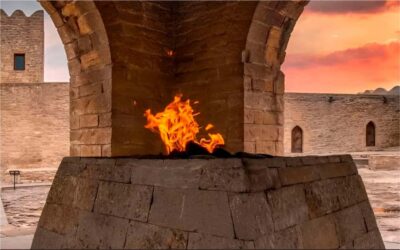
Mud Volcan-Fire Temple and Mountain Tour/Entrance inc
Read our review →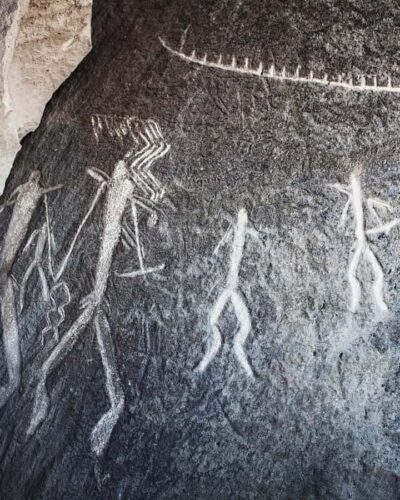
Gobustan Mud Volcanoes Temple & Entry tickets included
Read our review →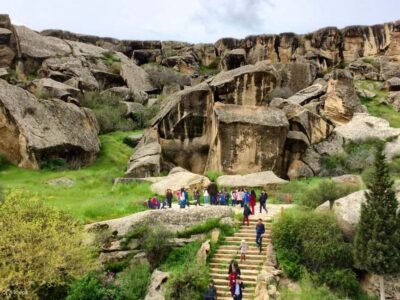
Gobustan-Absheron Tour with Hotel PICK UP and DROP OFF
Read our review →
Gobustan/Absheron guided tour with lunch and tickets
Read our review →Browse the lists this tour appears in