
Reviewed · GOBUSTAN MUD VOLCANO TOURS
From Baku: Gobustan Day Tour
Gobustan gives you two very different Azerbaijans in one short outing: prehistoric rock art scratched into ravines and bubbling mud volcanoes that look almost unreal. The petroglyphs tell of hunters, dancers, sailors, workers, and soldiers, while the nearby volcanoes show that this dry ground is still geologically active.
I like the private format, since you get a comfortable, air-conditioned sedan and a guide who can adjust the pace. I also like the mix of culture and geology: Habil, Karim, and other guides have been praised for explaining Azerbaijan’s past clearly and making the drive enjoyable. The main drawback is that four hours is brisk, and entrance fees are not included in the $58 price.
In This Review
- Key points to know before booking
- Why Gobustan makes such a strong half-day from Baku
- Reading 20,000 years of life in stone
- The Mount Boyuk-dash Roman inscription
- Start at the 3D Bio Museum
- The mud volcanoes near Dashgil
- What the private car adds to the day
- Is $58 good value?
- Timing, comfort, and who should skip it
- How to make the most of Gobustan
- Should you book this Gobustan tour?
- FAQ
- How long does the Gobustan tour last?
- Is hotel pickup included?
- What type of transport is provided?
- Is the guide English-speaking?
- Are entrance fees included in the price?
- What can I see at Gobustan National Park?
- Will I visit the mud volcanoes?
- What should I bring?
- Can I cancel the booking?
Key points to know before booking
- 6,000-plus petroglyphs: See drawings from roughly 20,000 years ago through the first century AD, including hunting, ritual dancing, boats, farming, and battle scenes.
- 3D Bio Museum: Twelve exhibition rooms and a 3D cinema give useful context before you walk among the rocks.
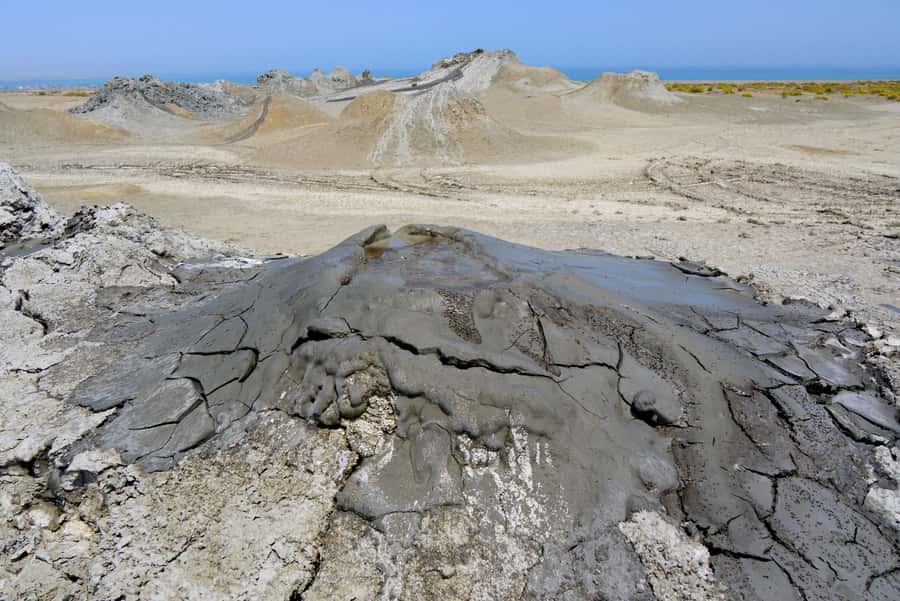
- Dashgil mud volcanoes: Azerbaijan has about 350 of the world’s 800 mud volcanoes, and this tour visits an active group near Gobustan.
- Private car and hotel pickup: You travel in a comfortable sedan from any Baku hotel or apartment, with an English-speaking guide.
- A Roman clue: Look for the Latin inscription at Mount Boyuk-dash, evidence of Roman legion activity near Baku.
- Four hours, not a full-day expedition: The compact schedule works well for a half-day, but you should not expect long stops or a slow hike.
Why Gobustan makes such a strong half-day from Baku
Gobustan National Park is about 50 to 60 kilometers from Baku, according to the tour information. That distance is short enough for an easy half-day outing, yet the setting feels far removed from the city.
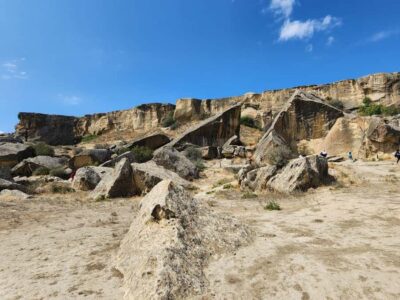
The name Gobustan relates to narrows and ravines, and the terrain explains it. You find rough rock faces, cracks, gullies, and open ground shaped by wind and time. The site is not a polished archaeological town with reconstructed buildings. Its power comes from seeing marks left directly on the stone.
The main attraction is the collection of more than 6,000 rock paintings and petroglyphs. Archaeologists first identified the site in the 1930s, and excavation continues. Along with the drawings, the area has ancient dwellings and more than 100,000 artifacts.
That scale matters. You are not looking at one famous carving and moving on. You are seeing evidence of a long human presence in the region, with images made across thousands of years. A good guide helps you notice the changes in subject and style instead of treating every image as the same.
More gobustan mud volcano tours in Baku:
- Baku: Gobustan, Mud Volcano, Fire Mount, Temple Lunch Entry
★ 4.9 · 3,246 reviews - BEST Gobustan, Volcanoes & Absheron Fire Tour (Group or Private)
★ 5.0 · 1,254 reviews - Gobustan and Absheron tour (All inclusive)
★ 5.0 · 1,014 reviews
Reading 20,000 years of life in stone
The oldest drawings date to the Mesolithic period, around 20,000 years ago. Early images show mountain goats, hunting scenes, and people dancing with spears. These are simple subjects, but they offer a direct glimpse of how people used the area and what mattered to them.
Later images become more varied. You can find battle scenes, collective work, harvesting, and women near the hearth. The pictures suggest changing communities and changing daily concerns. Hunting remains important, but farming, labor, domestic life, and conflict also enter the record.
The boat images are especially interesting. They show boats with oarsmen, pointing to seafaring activity among the early inhabitants. Gobustan is not only a story about people living among rocks. It also gives clues about movement and contact around the nearby Caspian Sea.
You will need to look carefully. Petroglyphs can be hard to see in bright light, and a guide’s explanation is useful when the outline of an animal or person is faint. The tour provides a live English-speaking guide, and Habil has been specifically praised for explaining Azerbaijani history and culture in a clear, friendly way.
Do not expect every carving to be immediately obvious. The pleasure is in learning how to read the shapes and connect them to the wider story. This is one reason I would choose a guided visit over arriving without context.
The Mount Boyuk-dash Roman inscription
One of Gobustan’s more surprising details is the Latin inscription at the foot of Mount Boyuk-dash. It points to the presence of Roman legions near Baku.
The inscription adds a later layer to the site. Most of your attention goes to prehistoric art, but this Roman trace shows that Gobustan remained part of a wider human story long after the earliest artists worked here.
Ask your guide to point it out rather than assuming you will spot it on your own. The tour description identifies its location, but it does not provide a translation or exact viewing conditions. Its value is less about a large monument and more about the unexpected link between a remote Azerbaijani rock site and the Roman world.
Start at the 3D Bio Museum
The 3D Bio Museum is a useful first stop because it gives you background before you walk through the open-air rock museum. Its permanent exhibition has 12 rooms focused on Gobustan’s petroglyphs and their importance.
The museum also covers similar archaeological sites around the world and includes a 3D cinema. That makes the visit more accessible if you are not familiar with prehistoric art. Instead of seeing isolated marks on a rock, you get a sense of the people, animals, tools, and surroundings connected with them.
I like this order. The museum can help you get your bearings quickly, then the outdoor visit gives the information a real setting. The tradeoff is time. With only four hours for transport, the museum, the rocks, and the volcanoes, you may need to keep moving rather than linger in every room.
If museums are not your main interest, do not dismiss this stop. It may be the best place to understand why the petroglyphs matter. The outdoor site is memorable, but the indoor displays help turn a visual visit into a historical one.
Same city, a completely different kind of day:
- Baku: Guba, Shahdag, Laza & Lunch w/ Free City & Night Tour
★ 4.8 · 1,455 reviews - Shamakhi And Gabala Tour (All inclusive)
★ 5.0 · 815 reviews - From Baku: Gabala and Shamakhi Tour (Free Baku City Tour)
★ 4.8 · 695 reviews - Baku: Candy Cane, Guba, Khinaliq village with Homemade Lunch
★ 4.9 · 519 reviews
The mud volcanoes near Dashgil
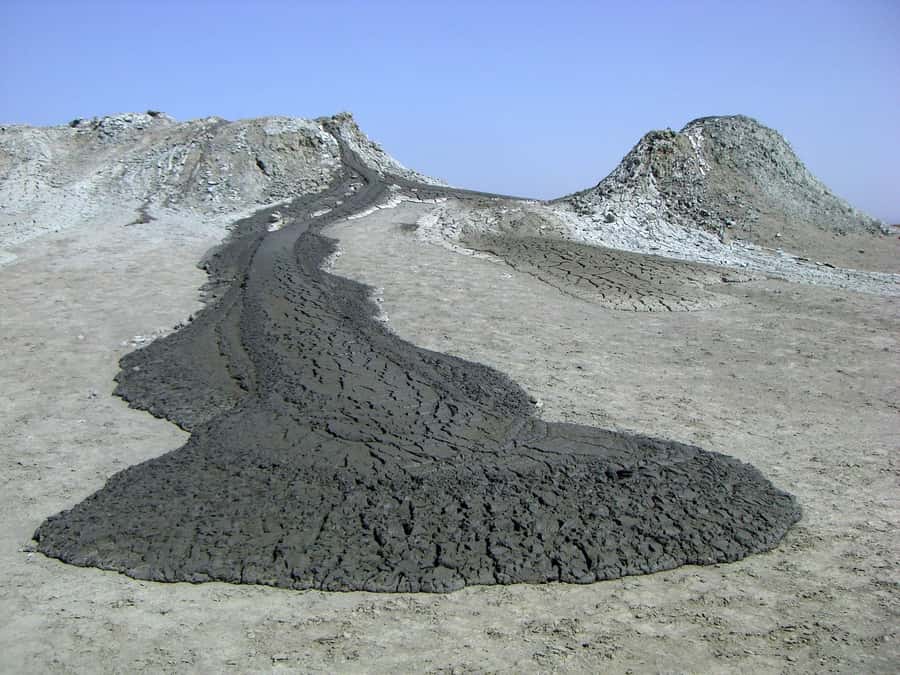
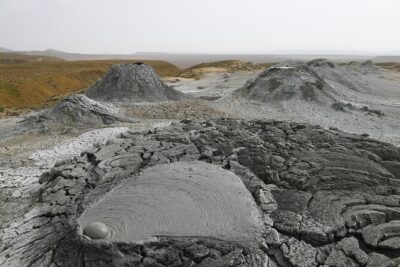
After the cultural side of Gobustan, the tour heads toward the mud volcanoes in the Dashgil Group, east of the museum. Azerbaijan has about 350 of the world’s 800 mud volcanoes, giving the country the highest concentration of these formations.
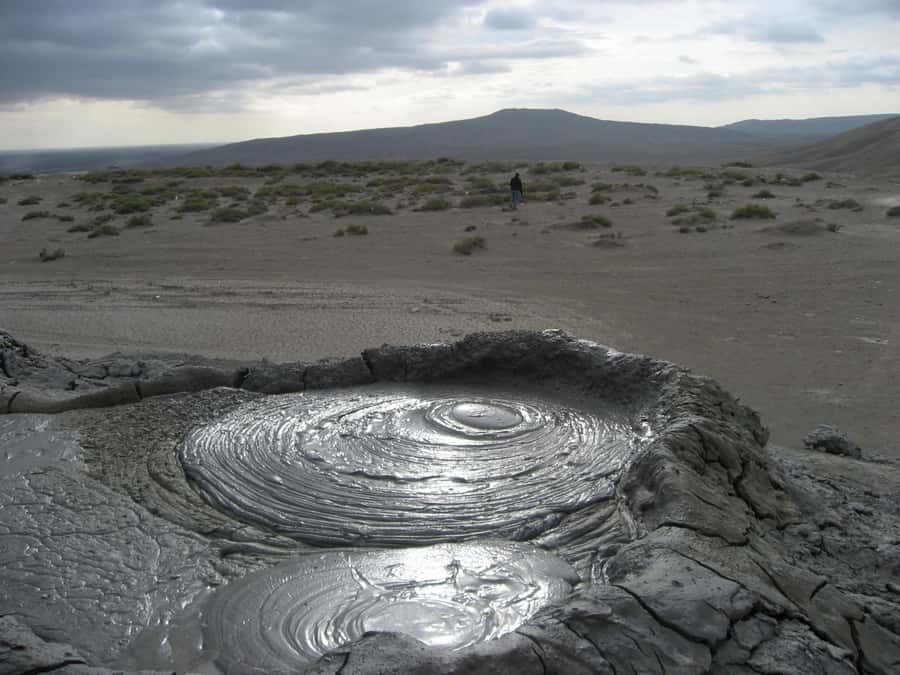
These are not fiery lava volcanoes. They are low geological formations that release mud and gases, and some are active. The sight is unusual: gray, bare mounds with wet or bubbling mud in places. The exact activity can vary, and bad weather may delay this part of the tour.
The volcano stop changes the mood of the outing. At Gobustan, you study traces left by people long ago. At Dashgil, you see the earth producing movement in the present. The contrast is one of the best reasons to combine both stops.
Use care around the mud. The tour information does not promise a mud bath or any bathing activity. One past guide, Karim, arranged a mud-volcano bath for a guest, but that was a special arrangement, not a standard feature you should count on. Treat the volcanoes as a viewing stop unless your guide confirms anything extra.
What the private car adds to the day
Hotel pickup and drop-off are included, and pickup is available from all hotels and apartments in Baku. You wait in the lobby about 10 minutes before the scheduled time, and the driver carries a sign with your last name. The stated waiting limit is five minutes after pickup time, so be ready early.
The vehicle is a comfortable sedan, and several details make that useful. The trip includes an outward drive, time at two separate areas, and a return to Baku. An air-conditioned car matters in warmer months, especially after walking among exposed rocks.
Private travel also means you are not tied to a large group’s pace. You can ask questions about the drawings, spend more time at a particular part of the museum, or keep the visit moving if you prefer. The information identifies the group as private, but it does not promise a particular car model or a specific guide for every booking.
Habil is the guide name that appears most often in the supplied information. He has been praised for his history and culture explanations, his helpful attitude, punctual organization, and generous hosting. Karim is another named guide associated with a particularly flexible outing. Guide assignment can vary, so book this for the format and site, not for a guaranteed individual unless the provider confirms it.
Is $58 good value?
At $58 per person, this is a fair price for a private four-hour trip if you value door-to-door transport and a live guide. You avoid arranging a car to a remote archaeological site, and you combine Gobustan with the mud volcanoes in one outing.
The included items are hotel pickup and drop-off, a professional English-speaking guide, a comfortable sedan, and water. Food, personal expenses, and entrance fees are extra. That last point is important when you compare the total cost with other options. The advertised price is not the final spend if you need to pay admission at the sites.
The value is strongest for two people or a small private party. You get the convenience of a direct car and the chance to ask questions without sharing the guide with a large crowd. Solo visitors should think more carefully about the per-person cost, since the price is listed per person even though the group is private.
The tour also offers free cancellation up to 24 hours before departure and a reserve-now, pay-later option. Those terms help if your Baku schedule is still changing, but they do not remove the need to check the available start time before booking.
Timing, comfort, and who should skip it
Four hours is enough to see the main sights, but it is a tightly planned half-day. You should expect a drive from Baku, the museum, the outdoor rock site, the mud volcano area, and the return journey. The schedule gives you a strong overview, not an extended archaeological study.
Wear comfortable shoes. The tour includes walking around rocky ground and ravines, and the site is not suited to anyone who needs a fully accessible route. The experience is listed as unsuitable for wheelchair users, pregnant women, and people with back or heart problems.
Do not bring luggage or large bags. This is a sightseeing outing from your Baku accommodation, not a transfer service. Water is provided, but food is not, so plan around the short duration rather than expecting a meal stop.
The tour runs in rain or shine, though the mud-volcano visit may be delayed in bad weather. That is worth considering during an unstable forecast. The open-air character is part of the appeal, but it also means conditions can affect the final stop.
How to make the most of Gobustan
Read a little about the petroglyphs before you go, but save your questions for the guide. Ask about the difference between the oldest and newest images, the boat scenes, and the Roman inscription. These details help you see Gobustan as a record of changing life, not simply a collection of old drawings.
Keep your shoes practical and your bag small. Comfortable footwear is more useful than anything stylish, and a large bag is specifically not allowed.
Give the museum your attention even if the volcanoes sound more unusual. The 3D displays and 12 rooms can provide the context you need to understand the outdoor site. Then the rock carvings become easier to interpret.
Finally, keep your expectations realistic. Mud volcanoes are unusual geological formations, not guaranteed bubbling spectacles at every moment. Weather can delay the stop, and no standard mud bath is included.
Should you book this Gobustan tour?
I would book it if you have limited time in Baku and want a private, guided introduction to one of Azerbaijan’s most unusual nearby sites. The combination of prehistoric art, the Roman inscription, a museum, and active mud volcanoes gives you more variety than a simple museum visit.
It is especially suitable for couples, families with older children, and anyone who prefers a private car to public transport or a large coach. The guides named in the tour information, especially Habil and Karim, add a personal element, though no individual guide is guaranteed.
I would look elsewhere if you need wheelchair access, have medical or mobility concerns listed in the restrictions, or want a long, slow archaeological visit. I would also budget for entrance fees and avoid booking it solely because of the possibility of bathing in mud.
For most visitors with one free half-day in Baku, the $58 price is reasonable for the convenience. Gobustan gives you ancient human stories in the rocks, while Dashgil shows a restless earth only a short drive from the capital. That is a memorable combination.
FAQ
How long does the Gobustan tour last?
The tour lasts four hours, including the visit to the museum, the open-air rock site, the mud volcanoes, and transportation from Baku.
Is hotel pickup included?
Yes. Pickup and drop-off are included from hotels and apartments located in Baku.
What type of transport is provided?
You travel in a comfortable sedan. The tour is operated as a private group experience.
Is the guide English-speaking?
Yes. The tour includes a live English-speaking guide.
Are entrance fees included in the price?
No. Entrance fees are not included. Food and personal expenses are also extra.
What can I see at Gobustan National Park?
You can see more than 6,000 rock paintings and petroglyphs, ancient dwellings, archaeological artifacts, and a Latin inscription linked to Roman legions near Baku.
Will I visit the mud volcanoes?
Yes. The tour visits the active mud volcanoes of the Dashgil Group near Gobustan. The mud-volcano stop may be delayed in bad weather.
What should I bring?
Bring comfortable shoes. Large bags and luggage are not allowed.
Can I cancel the booking?
You can cancel up to 24 hours in advance for a full refund. The tour also offers a reserve-now, pay-later option.
Just added around Baku
- Wine Tour Baku★ 5.0 · 4 reviews
- Traditional Azerbaijani Cuisine Workshop★ 5.0 · 5 reviews
- Tour to the North part of Azerbaijan Forests and Mountatin Quba★ 5.0 · 10 reviews
- Full Day KHINALUG and the Candy Mountains Tour★ 5.0 · 15 reviews
- Baku Sightseing Tour★ 5.0 · 12 reviews
- The Magnificent Baku Night Tour★ 5.0 · 3 reviews
- Small-Group Day Trip to Gobustan, Mud Volcanoes, Ateshgah & Yanar Dagh★ 4.5 · 3 reviews
- Sheki tour with overnight★ 5.0 · 5 reviews
Gobustan Mud Volcano Tours, compared.
Gobustan, Mud Volcano, Fire Mount, Temple Lunch Entry
Read our review →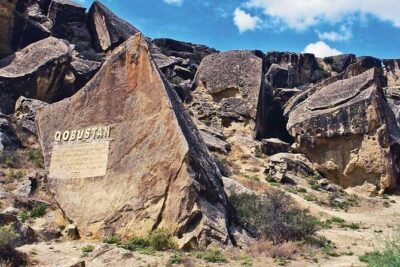
Gobustan, Volcanoes, Fire Temple and Yanardag Day Trip
Read our review →
Mud Volcan-Fire Temple and Mountain Tour/Entrance inc
Read our review →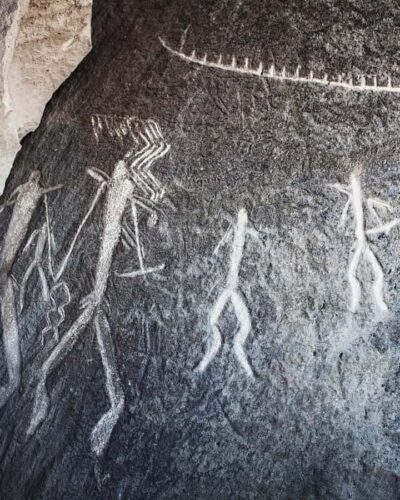
Gobustan Mud Volcanoes Temple & Entry tickets included
Read our review →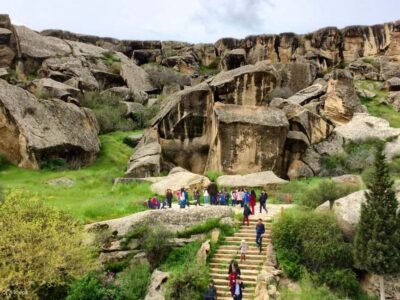
Gobustan-Absheron Tour with Hotel PICK UP and DROP OFF
Read our review →
Gobustan/Absheron guided tour with lunch and tickets
Read our review →Browse the lists this tour appears in