
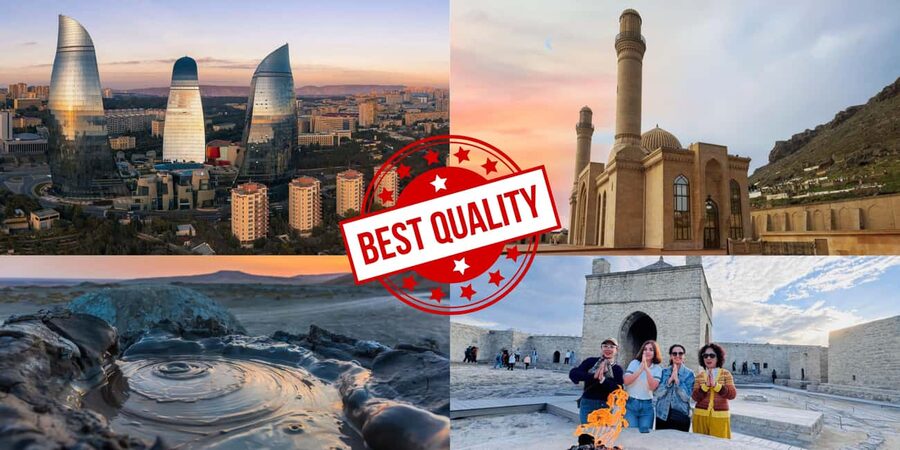
Reviewed · GOBUSTAN MUD VOLCANO TOURS
Baku: Gobustan and Absheron Adventure Tour
Gobustan’s ancient rock carvings and Absheron’s natural flames make this one of Baku’s most unusual day trips. In a single outing, you move from 40,000-year-old petroglyphs to bubbling mud, a former fire-worship site, and a hillside where gas-fed flames rise from the earth.
I like the way the tour joins history with geology, and I like having hotel pickup, air-conditioned transport, and a guide who can explain what you are seeing. Guides including Javid, Murad, Kamal, Magsud, and others have been praised for clear English and thoughtful help. The catch is the low advertised price: entrance fees are extra, including a mandatory cash charge for the mud volcanoes, and lunch is not included.
In This Review
- Key points at a glance
- Why this half-day trip works so well
- Bibi-Heybat Mosque begins the story
- Gobustan’s petroglyphs and caves
- Mud volcanoes on rough ground
- Ateshgah Fire Temple and the old fire faiths
- Yanar Dag, where the hillside burns
- The guides make the difference
- Transport, timing, and the practical side
- What the $9 price really means
- Who should book this outing?
- Booking details worth checking
- Should you book the Gobustan and Absheron tour?
- FAQ
- How long does the Gobustan and Absheron tour last?
- Is hotel pickup included?
- What languages are available?
- Are entrance tickets included in the $9 price?
- How much are the listed entrance fees?
- Is the mud volcano fee optional?
- Is lunch included?
- What should I wear or bring?
- Can I cancel the booking?
Key points at a glance
- See more than one side of Azerbaijan: Ancient rock art, mud volcanoes, Zoroastrian heritage, and natural gas fires all fit into one 6 to 7 hour trip.
- Gobustan reaches far back: The reserve contains more than 6,000 petroglyphs, with some dating to around 40,000 years ago.
- Mud volcanoes add a rough-edged adventure: The visit includes uneven ground and a mandatory 30 AZN cash fee.
- The guides are a major part of the experience: Javid, Murad, Kamal, Magsud, Aysu, Ayedan, Berkay, and others have been praised for language skills, historical context, and personal attention.
- Check the real cost before booking: The base price is listed at $9, but site fees can add 55 AZN if you visit all the paid stops.
- Rain changes the plan: In wet weather, the tour redirects the mud volcano portion to the Mud Volcanoes Complex, with the same fee applying.
Why this half-day trip works so well
Baku is modern, polished, and full of grand buildings, but Azerbaijan makes more sense once you get outside the capital. This tour takes you into the Absheron region, where oil, natural gas, ancient worship, and prehistoric life all meet.
The route is especially useful if you have only a few days in Baku. You do not need to arrange separate taxis, compare local transport, or work out how to reach scattered sites. Hotel pickup and drop-off keep the day simple, while an English or Russian-speaking guide gives the places a human explanation.
The tour lasts about six to seven hours. That is long enough to visit the main sights, yet short enough to leave part of your day free in Baku. Traffic can affect the timing, but the schedule is designed to cover the listed stops without making each visit feel like a rushed photo stop.
The strongest part is the mix. Gobustan gives you archaeology. The volcanoes supply the strange natural spectacle. Ateshgah explains the old fire cults of the region. Yanar Dag brings the story back to geology and Azerbaijan’s gas reserves.
More gobustan mud volcano tours in Baku:
- Baku: Gobustan, Mud Volcano, Fire Mount, Temple Lunch Entry
★ 4.9 · 3,246 reviews - BEST Gobustan, Volcanoes & Absheron Fire Tour (Group or Private)
★ 5.0 · 1,254 reviews - Gobustan and Absheron tour (All inclusive)
★ 5.0 · 1,014 reviews
Bibi-Heybat Mosque begins the story
Bibi-Heybat Mosque is included among the tour highlights and provides an early look at Azerbaijan’s religious and cultural setting. It is a useful contrast to the fire temples later in the day, since the route does not present Azerbaijan as having just one historical identity.
The mosque stop is also a reminder that the country’s past includes several faiths and traditions. Your guide can help place the site in the wider story of Baku and the Absheron Peninsula.
Exact timing at each stop is not specified, so you should think of Bibi-Heybat as part of the broader route rather than the main focus of the excursion. The major time usually belongs to Gobustan, the volcanoes, Ateshgah, and Yanar Dag.
Gobustan’s petroglyphs and caves
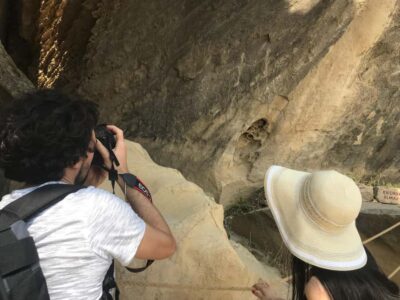
Gobustan National Park is the archaeological heart of the outing. The rock art reserve contains more than 6,000 carvings, some dating back 40,000 years. These images offer a direct link to people who hunted, moved through the area, and recorded aspects of their lives on stone.
You are not simply looking at old drawings. You are seeing evidence of early human activity in the same dry country that surrounds Baku today. A good guide helps you notice the figures, animals, hunting scenes, and markings that can be easy to miss when you view the rock walls alone.
This is where the quality of the guide matters most. Aysu, Ayedan, Kamal, Murad, and other guides have been praised for explaining the history in clear English and for answering questions. One guide, Magsud, was especially valued for connecting the sites with Azerbaijan’s geography, industry, and difficult regional past.
Allow yourself time to listen rather than rushing from carving to carving. The reserve is more rewarding when you understand how the images fit into early human life. Comfortable shoes are important because the ground is uneven, and you should not treat this as a smooth museum visit.
Gobustan is also a place where expectations matter. The petroglyphs are ancient and important, but they are not presented like a polished indoor exhibition. The experience is about stone, open ground, and interpretation. If you want a dramatic ruin with large standing structures, this may feel modest. If you enjoy archaeology and small clues from the past, it can be the most meaningful stop of the day.
Mud volcanoes on rough ground
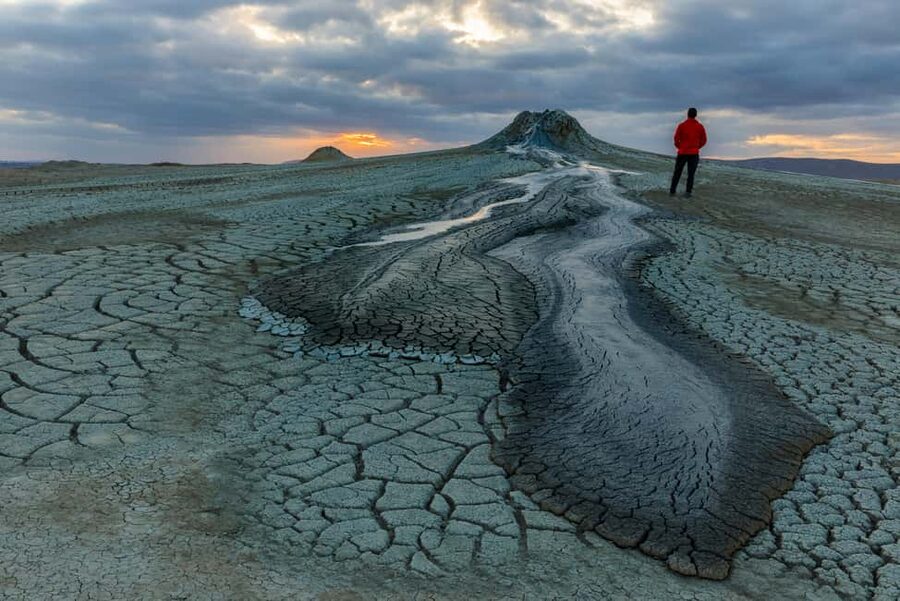
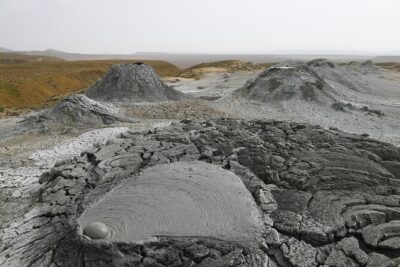
The mud volcanoes are the tour’s oddest stop. Gas rises from below the surface, making the mud bubble and hiss. The result is a gray, raw-looking setting that feels very different from the carved rocks at Gobustan.
This is not a conventional volcano visit. You are not seeing hot lava or a towering cone. Instead, the attraction comes from the movement of the mud and the knowledge that gases are escaping from deep underground. Azerbaijan has one of the world’s largest concentrations of mud volcanoes, which makes this a fitting place to see them.
The route to the volcanoes can involve a rougher ride. One account specifically described the taxi or transfer as similar to a jeep safari, and that is useful preparation. You should expect a more basic section of the day than the air-conditioned vehicle ride between major sites.
Bring sturdy shoes and an empty bottle if you want to collect a little mud as a souvenir. The empty bottle suggestion is practical, but use common sense around bubbling areas and follow your guide’s directions.
The cost needs careful attention here. The mud volcano fee is listed as 30 AZN in cash and is mandatory. It still applies when rain changes the visit to the Mud Volcanoes Complex. That extra charge is easy to overlook when you first see the $9 tour price.
More absheron peninsula tours in Baku:
- Baku: Gobustan Absheron Tour Entry Tickets included
★ 4.9 · 329 reviews - Baku: Gobustan-Absheron Tour with Hotel PICK UP and DROP OFF
★ 4.8 · 170 reviews - Baku: Gobustan/Absheron guided tour with lunch and tickets
★ 4.8 · 158 reviews - Gobustan and Absheron peninsula ( Group or Private ) TOUR ( All inclusive )
★ 5.0 · 130 reviews
Ateshgah Fire Temple and the old fire faiths
Ateshgah Fire Temple gives the day its strongest historical link to fire. The site dates to the 17th century and was used by Zoroastrians and Hindu visitors. Natural gas once fed the sacred flames, making the temple a place where geology and worship were closely tied.
The temple’s shape and purpose are more important than its size. The site helps explain why fire became such a powerful symbol in Azerbaijan. A guide can also explain how visitors from different religious traditions used the complex and why natural gas shaped the spiritual life of the region.
I would pay close attention here to the commentary rather than simply taking photographs. The value of Ateshgah comes from understanding how people interpreted the flames before modern science explained underground gas. This is also one of the stops where a clear guide can turn a short visit into a useful lesson.
The combined entrance charge for Ateshgah and Yanardagh is listed as 15 AZN. Confirm at booking whether you have selected the option with entrance fees included, because the standard price does not cover these tickets.
Yanar Dag, where the hillside burns
Yanar Dag is the natural spectacle that most people picture when they hear Azerbaijan called the Land of Fire. Gas escaping from the hillside feeds flames that have burned for centuries, creating a line of fire along the slope.
The effect is strongest when you understand what you are seeing. This is not a staged flame show or a temple fire maintained by attendants. It is a natural gas fire on the hillside, tied to the same underground resources that shaped the region’s industry and identity.
Yanar Dag does not require a long hike according to the information provided, but you should still wear practical shoes because several outdoor stops have uneven ground. The site is a good final chapter after Ateshgah: first you see how people worshipped natural fire, then you see the earth producing fire on its own.
The visit can be brief, so listen closely while your guide explains the connection between gas, geology, and local tradition. Murad, Kamal, Javid, and other guides have been praised for keeping explanations clear without rushing the group.
The guides make the difference
The tour is sold with a professional guide speaking English and Russian, and other languages may be available on request. Guide performance appears to be one of the most important parts of the experience.
Javid has been praised for answering questions, helping with small problems, and even discussing Chinese culture with a visitor. Murad has been described as informative, friendly, and careful not to rush the stops. Kamal has received praise for energetic delivery, strong English, and an ability to explain Azerbaijan’s history, geography, and culture in an accessible way.
Magsud was singled out for explaining the country’s past, industry, geography, and relationship with Armenia in a way that made the historic locations easier to understand. Aysu and Ayedan were also praised for being well informed and friendly.
These names do not guarantee which guide you will receive. Still, they show what to look for in the service: clear explanations, good communication, patience, and help when the day becomes complicated. If you have a specific language need, request it before booking rather than assuming it will be available.
Transport, timing, and the practical side
Hotel pickup in Baku is included, which is a major advantage for a route reaching several places outside the city. You travel in modern, air-conditioned vehicles, and the transport is described as comfortable and private.
The exact group size is not provided, so ask if group size matters to you. The day can feel quite different in a small private vehicle compared with a larger shared group, especially at Gobustan, where you may want time for questions.
The tour is designed to run on schedule, though traffic can affect the day. One useful sign is that the route has been completed without dropping listed stops even when traffic caused delays. Still, leave your evening flexible if you have a fixed dinner reservation or another timed activity.
Lunch is not included. Bring water and plan to buy or arrange food, though no specific lunch stop is guaranteed. A bottle of water has sometimes been provided, but I would not rely on that. Hotel pickup and drop-off make the outing convenient, but they do not remove the need for basic preparation.
What the $9 price really means
At $9 per person, the advertised base price looks remarkably low for a six to seven hour excursion with transport and a guide. It can be good value, but only if you calculate the entrance costs before you commit.
The listed charges are:
- Gobustan: 10 AZN
- Mud Volcanoes: 30 AZN in cash
- Ateshgah and Yanardagh: 15 AZN
- Lunch: not included
That adds up to 55 AZN if all listed fees apply. The mud volcano charge is mandatory, and the other entrance fees are also excluded unless you choose the option that includes them. Since exchange rates change, compare the total in your own currency before deciding.
The entrance-included option may be worth considering if you dislike carrying cash or want a cleaner final price. It also includes a free Baku Old City tour according to the information provided, which adds value if you want more sightseeing after the excursion.
There are no hidden charges stated beyond the clearly listed site fees. The main issue is not dishonesty, but presentation. The $9 figure is the transport and guiding entry point, not necessarily the final cost of the full day.
Who should book this outing?
I would choose this tour if you are staying in Baku for more than two days and want to see an important part of Azerbaijan beyond the city center. It suits people interested in archaeology, geology, religious history, photography, and unusual natural sights.
It is also a good choice for first-time visitors who want context. You can reach some of these places independently, but without a guide you may miss why the petroglyphs matter, how fire shaped local worship, and why the mud volcanoes are unusual.
Families with older children may enjoy the variety, though uneven ground and the rough transfer to the volcanoes may not suit very young children. People with limited mobility should ask for specific access information before booking, since the supplied details only confirm uneven terrain and comfortable transport.
I would be less enthusiastic if you want a slow, luxurious day with long meals and plenty of free time. This is a sightseeing route with several stops, not a relaxed countryside retreat. The reward is variety, not extended time at one site.
Booking details worth checking
You can reserve now and pay later, and cancellation is available up to 24 hours in advance for a full refund. Those terms help if your Baku plans are still moving.
Before paying, check three things: the guide language, the entrance-fee option, and the cash needed for the mud volcanoes. If you want a private guide or another language, request it in advance.
Rain does not simply cancel the volcano portion. The route changes to the Mud Volcanoes Complex, and the same fee still applies. Pack shoes that can handle wet or uneven ground, and do not wear anything you would worry about getting muddy.
Should you book the Gobustan and Absheron tour?
Yes, if you want an efficient introduction to Azerbaijan’s archaeological and fire-related sights outside Baku. The combination of Gobustan, mud volcanoes, Ateshgah, and Yanar Dag is hard to match in one half-day outing, and strong guides such as Murad, Javid, Kamal, and Magsud can add real value.
Book with clear eyes about the price. The $9 base fare does not cover the listed entrance tickets, and the 30 AZN mud volcano fee must be paid in cash. Choose the entrance-included option if you prefer a simpler bill and want the added Old City tour.
I would make this one of my first Baku excursions, especially for a short visit. Wear good shoes, bring water and an empty bottle, keep your evening flexible, and treat the guide’s explanations as part of the main attraction.
FAQ
How long does the Gobustan and Absheron tour last?
The tour lasts approximately 6 to 7 hours.
Is hotel pickup included?
Yes. Free pickup from your hotel in Baku and drop-off are included.
What languages are available?
The tour is available with English and Russian-speaking guides. Other languages may be available on request.
Are entrance tickets included in the $9 price?
No. Standard entrance tickets are purchased separately unless you select the Entrance Fees Included option.
How much are the listed entrance fees?
Gobustan is listed at 10 AZN, the mud volcanoes at 30 AZN in cash, and Ateshgah plus Yanardagh at 15 AZN.
Is the mud volcano fee optional?
No. The 30 AZN mud volcano fee is mandatory, including when rain redirects the visit to the Mud Volcanoes Complex.
Is lunch included?
No. Lunch is not included in the tour price.
What should I wear or bring?
Wear comfortable, sturdy shoes because the terrain is uneven. An empty bottle is suggested if you want to collect mud as a souvenir.
Can I cancel the booking?
Yes. You can cancel up to 24 hours in advance for a full refund.
Just added around Baku
- Wine Tour Baku★ 5.0 · 4 reviews
- Traditional Azerbaijani Cuisine Workshop★ 5.0 · 5 reviews
- Tour to the North part of Azerbaijan Forests and Mountatin Quba★ 5.0 · 10 reviews
- Full Day KHINALUG and the Candy Mountains Tour★ 5.0 · 15 reviews
- Baku Sightseing Tour★ 5.0 · 12 reviews
- The Magnificent Baku Night Tour★ 5.0 · 3 reviews
- Small-Group Day Trip to Gobustan, Mud Volcanoes, Ateshgah & Yanar Dagh★ 4.5 · 3 reviews
- Sheki tour with overnight★ 5.0 · 5 reviews
Gobustan Mud Volcano Tours, compared.
Gobustan, Mud Volcano, Fire Mount, Temple Lunch Entry
Read our review →
Gobustan, Volcanoes, Fire Temple and Yanardag Day Trip
Read our review →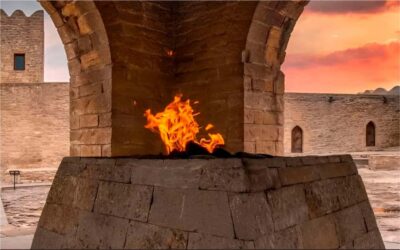
Mud Volcan-Fire Temple and Mountain Tour/Entrance inc
Read our review →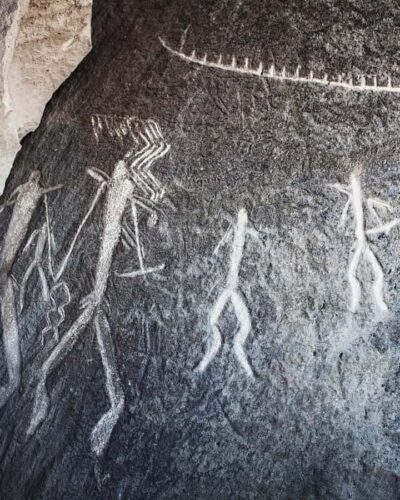
Gobustan Mud Volcanoes Temple & Entry tickets included
Read our review →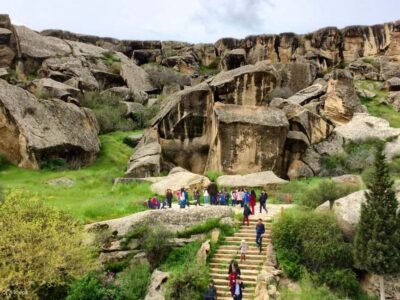
Gobustan-Absheron Tour with Hotel PICK UP and DROP OFF
Read our review →
Gobustan/Absheron guided tour with lunch and tickets
Read our review →Browse the lists this tour appears in