
Reviewed · 4-DAY EXPERIENCES
4 days like a local in Azerbaijan
Azerbaijan packs a surprising amount into four days: medieval Baku, 40,000-year-old rock carvings, smoking mud volcanoes, mountain villages, and ancient fire worship. I like the way this tour connects the polished capital with places where local craft, pilgrimage, and geology still shape daily life. Lahic’s copper workshops and the rough ride out to the volcanoes feel especially different from a standard city break.
I also like that the tour is private, with pickup offered and airport transfer included. Guides such as Ferhad have been praised for clear explanations, while tour manager Artunj has handled dietary needs and last-minute planning for some groups. The main caution is the pace: four long days cover a lot of ground, and driving conditions can be tiring on rural roads.
In This Review
- Key points to know before booking
- Four days from Baku to the old mountain villages
- Baku Old City: medieval walls, palace rooms, and local wine
- Baku Boulevard: a one-hour Caspian change of scene
- Highland Park: Baku from above
- Heydar Aliyev Center: modern Azerbaijan in one striking building
- Gobustan: rock art dating back roughly 40,000 years
- Mud volcanoes: a bumpy ride in a Soviet Lada
- Diri Baba Mausoleum: a cliffside pilgrimage site
- Shamakhi Juma Mosque and the story of the 743 inscription
- Yeddi Gumbaz: royal family tombs outside Shamakhi
- Lahic: copper, stone lanes, and living craft
- Ateshgah and Yanar Dag: why Azerbaijan is called the Land of Fire
- Is $500 a fair price?
- Who will enjoy this tour most?
- Practical details that matter
- Should you book 4 days like a local in Azerbaijan?
- FAQ
- How long is the tour?
- Is the tour private?
- Is pickup available?
- Are admission tickets included?
- Does the tour include a boat trip?
- Can I cancel for a full refund?
Key points to know before booking
- A full view of Azerbaijan in four days: Baku, Gobustan, Shamakhi, Lahic, Ateshgah, and Yanar Dag are all included.
- The Caspian cruise uses VIP tickets: The one-hour boat trip gives your first-day city tour a welcome change of pace.
- The mud volcano visit is unusual and rugged: You switch to a Soviet Russian Lada for the five-kilometer approach.
- Lahic is the cultural highlight: Its old village streets and handmade copper work offer a close look at local craft traditions.
- The tour is private: Only your own group participates, making it easier to discuss food needs, timing, and interests.
- The $500 price covers more than sightseeing: Included admissions, the boat ride, the airport transfer, and private arrangements add real value, though meals and accommodation are not specified.
Four days from Baku to the old mountain villages
This is not a slow Baku city holiday. It is a compact introduction to Azerbaijan, built around major sights within reach of the capital. You spend the first day in Baku, head south to Gobustan on the second, travel inland toward Shamakhi and Lahic on the third, then return to the Absheron Peninsula for fire temples and your airport transfer.
That design works well if you have only a short stop in the country. You get the grand city sights, early human art, Islamic monuments, traditional craft, and Azerbaijan’s famous natural flames. The tradeoff is simple: you will spend a fair amount of time in the vehicle, especially on the third day.
The experience starts at 8:00 a.m. Pickup is offered, and the activity is private, so your group should have more flexibility than on a large coach tour. The exact guide may vary. Ferhad is praised for strong explanations, while Afag has led Italian-speaking tours. Artunj is identified as a tour manager who has arranged detailed schedules and food recommendations.
A few more Baku trips to weigh up
- 3 Nights 4 Days in Azerbaijan
★ 5.0 · 25 reviews - 4 Days Tour: Airport Pickup + Old City + Night Tour + Day Trip Baku + Gabala
★ 5.0 · 11 reviews - 4 days Baku – Sheki tour in Azerbaijan
★ 5.0 · 4 reviews
Baku Old City: medieval walls, palace rooms, and local wine
The first two hours take you into Baku’s Old City, the best place to see the capital before its modern towers and grand avenues take over. The compact historic quarter includes the Shirvanshahs’ Palace, the Maiden Tower, old bathhouses, and the ABAD social project, which supports handmade goods produced in Azerbaijan.
The palace is the stronger history stop. It helps explain the medieval Shirvan state and gives the Old City some political context, rather than leaving you with only attractive stone lanes. The Maiden Tower is Baku’s famous landmark, though the exact purpose of the building has long been debated. Your guide can provide the historical background and local stories.
The old hamams are another useful detail. Even if you do not enter a working bathhouse, learning how these public spaces functioned gives the city a more human scale. The ABAD visit shifts the focus to present-day Azerbaijan, with handmade products and a direct link to local makers.
A local wine tasting is included. That may appeal to you if you want an introduction to Azerbaijan beyond monuments, but it is worth checking the exact tasting format when you book. The schedule gives two hours for the whole Old City visit, so expect a brisk walk rather than a slow, room-by-room exploration.
Baku Boulevard: a one-hour Caspian change of scene
From the Old City, the tour moves to Baku Boulevard for a one-hour boat trip on the Caspian Sea. VIP tickets are included, which removes one common small hassle and may provide a more comfortable position on the boat.
The ride is less about monuments than orientation. From the water, you see Baku as a coastal capital and get a break after walking through the Old City. I like this pairing because the old quarter can feel dense and enclosed, while the Caspian opens up the day.
Do not expect a long cruise or a full day on the waterfront. One hour is enough for a short outing and photographs, not for a leisurely harbor excursion. Weather matters here, and the operator states that the experience requires good conditions.
Highland Park: Baku from above
Highland Park takes about an hour and is free to enter. Its main reward is the view across Baku, the Caspian, and the city’s mix of older buildings and newer construction.
This is a viewpoint, not a museum visit, so the experience depends on visibility and how much time your guide gives you. Bring your camera, but also use the stop to understand Baku’s rapid growth. The city is changing quickly, and the elevated view makes that contrast easy to see.
The park also helps break up the first day. After the enclosed Old City and the boat ride, you get open air and a broad sense of place.
Same city, a completely different kind of day:
- Baku: Gobustan, Mud Volcano, Fire Mount, Temple Lunch Entry
★ 4.9 · 3,246 reviews - Baku: Guba, Shahdag, Laza & Lunch w/ Free City & Night Tour
★ 4.8 · 1,455 reviews - BEST Gobustan, Volcanoes & Absheron Fire Tour (Group or Private)
★ 5.0 · 1,254 reviews - Gobustan and Absheron tour (All inclusive)
★ 5.0 · 1,014 reviews
Heydar Aliyev Center: modern Azerbaijan in one striking building
The final Baku stop lasts about an hour and includes museum admission at the Heydar Aliyev Center. The building itself is the attraction before you even enter. Its flowing white form presents a sharp contrast to the medieval walls of the Old City.
Inside, the museum focuses on Azerbaijan’s history. That makes the stop useful as a bridge between the country’s past and its present image. The one-hour visit should give you a clear introduction, though you may want longer if you enjoy exhibitions and design.
I would not treat this as just a photo stop. The center shows how Azerbaijan presents its national story today, while the Old City shows the physical remains of earlier eras. Seeing both on the same day gives Baku more depth.
Gobustan: rock art dating back roughly 40,000 years
Day two begins after breakfast, with departure from Baku for Gobustan National Park Museum and its rock art. The visit takes about three hours and includes admission.
This is one of the strongest parts of the four-day plan. The petroglyphs are linked to inhabitants of the region as far back as 40,000 years, giving you a direct connection to human life long before the medieval kingdoms and modern oil wealth. The museum first provides context, then the rock art makes that distant past visible.
You should expect an outdoor visit, so practical clothing and shoes matter. The material is ancient and often subtle. A good guide makes a real difference here by explaining what the carvings show and how archaeologists interpret them.
Gobustan also changes your view of Azerbaijan. The country is not only a meeting point of empires and trade routes. It has evidence of human settlement reaching far into prehistory.
Mud volcanoes: a bumpy ride in a Soviet Lada
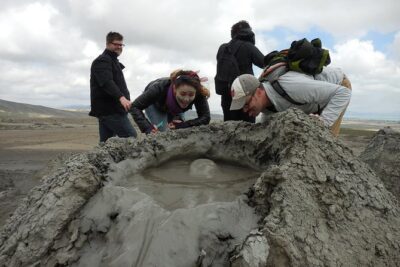
After Gobustan, you change vehicles and ride five kilometers in a Soviet Russian Lada to the mud volcanoes. The volcano stop takes about an hour, with admission included.
This is the tour’s oddball highlight. Azerbaijan has more mud volcanoes than any other country, and the raw, bubbling formations are unlike the polished sights in Baku. The Lada ride is part of the appeal, but it also tells you what to expect: this is a rough excursion, not a smooth luxury transfer.
The road and vehicle may be uncomfortable for anyone with back problems or low tolerance for jolts. The tour’s material also includes a complaint about poor driving on a construction-affected rural road during a longer trip, so I would ask about current road conditions and driving arrangements before paying. Most people can participate, but that does not mean every part will feel easy.
Diri Baba Mausoleum: a cliffside pilgrimage site
Day three turns inland toward historic sites around Shamakhi. The first stop is Diri Baba Mausoleum, built in 1402 for a holy person and still visited by locals as a pilgrimage place. Allow about an hour.
The mausoleum is valuable because it remains connected to living religious practice. You are not just looking at an abandoned structure. The site still has meaning for people who come to honor the holy figure.
Admission is listed as free. The stop is short, so listen closely to the guide’s explanation and take time to look at the setting and stonework.
Shamakhi Juma Mosque and the story of the 743 inscription
Next comes Shamakhi Juma Mosque, described as the oldest and largest mosque in Azerbaijan. Local tradition places its construction in the eighth century, when Shamakhi became the residence of an Arab caliph. An original Arabic inscription on the portal reportedly dated the construction to 743.
The mosque has been rebuilt and changed over the centuries, so the important point is its long religious role rather than the survival of one untouched medieval building. Your guide can help separate legend, inscription, reconstruction, and documented history.
You get about an hour here, with no admission fee listed. Dress respectfully at a mosque and follow any instructions about entry, photography, or prayer areas.
Yeddi Gumbaz: royal family tombs outside Shamakhi
The Yeddi Gumbaz complex contains mausoleums built for members of the Khan of Shamakhi’s family around the seventeenth century. The name refers to seven domes, although the surviving structures may not all be intact.
This is a quieter stop than the mosque. It gives you a look at dynastic burial traditions and the way power was expressed through memorial architecture. The one-hour visit should be enough for a guided explanation and photographs.
The three Shamakhi-area stops work well together. Diri Baba brings in pilgrimage, Juma Mosque brings in Islamic history, and Yeddi Gumbaz brings in ruling families and memorials.
Lahic: copper, stone lanes, and living craft
The final stop on day three is Lahic, with two hours at a guest house and in the village. Lahic is described as one of Azerbaijan’s oldest inhabited settlements and is known for old architecture, traditional trades, and handmade copper goods.
This is where the trip feels most connected to ordinary local life. The village’s fame comes from copper products made by hand with traditional methods and detailed designs. If you want to buy a souvenir, copperwork gives you something with a clear connection to the place rather than a generic airport purchase.
The schedule calls this a Lahic Guest House stop, but it does not specify meals or an overnight stay there. Do not assume accommodation is included. Ask exactly what the two-hour visit involves, especially if you have a particular interest in workshops or shopping.
The village has been associated with UNESCO’s Intangible Cultural Heritage list in the supplied tour information. Either way, the practical reason to visit is clear: Lahic lets you see architecture and craft traditions in a setting away from Baku’s grand urban projects.
Ateshgah and Yanar Dag: why Azerbaijan is called the Land of Fire
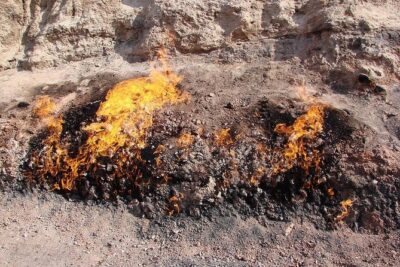
The final morning focuses on two fire-related sites and takes about three hours. At Ateshgah, you visit a historic fire temple. Then you continue to Fire Mountain, also known as Yanar Dag, where a natural gas flame burns at the hillside.
These places explain the country’s nickname, the Land of Fire. Ateshgah connects natural flames with religious practice and pilgrimage. Yanar Dag shows the geological side of the story, with gas escaping from the ground and burning at the surface.
The two stops are best understood together. One is a built sacred site shaped by belief and worship. The other is a natural phenomenon that helped make fire an enduring part of Azerbaijan’s identity.
Admission is included for the three-hour visit. Since this is your departure day, keep an eye on the airport timing. The program includes a 30-minute transfer to Heydar Aliyev International Airport, but your flight time is not provided. I would confirm the pickup hour directly and leave a generous margin.
Is $500 a fair price?
At $500 per person, the value depends on what is included in your final booking. The listed package includes admission tickets at the Old City, Caspian boat ride, Heydar Aliyev Center, Gobustan, mud volcanoes, Ateshgah, and the airport transfer. Pickup is offered, and the private format means your group is not placed with unrelated passengers.
That is a useful bundle for a short stay. You are paying for access, transport planning, guides, and a wide range of stops that would be awkward to arrange independently in four days. The boat’s VIP tickets and the special Lada transfer to the volcanoes add distinctive touches.
Accommodation and meals are not clearly listed in the supplied details, so do not assume they are covered by the $500. Ask about hotel arrangements, breakfast, lunch, vehicle type, guide language, and whether the wine tasting is included in the same price.
The operator has arranged dietary recommendations for some groups, including vegetarian groups, which is helpful. Still, tell the company about your needs before arrival rather than relying on a general promise.
Who will enjoy this tour most?
I would choose this experience if you want a strong first look at Azerbaijan and prefer a prepared private schedule. It suits couples, families, and small groups that want a guide and driver rather than a puzzle of separate day trips.
It is also a good fit for people who like variety. You move from palace rooms to rock carvings, from a Caspian boat to a Soviet Lada, and from mosques to natural flames.
You may want a slower plan if you dislike long drives, need generous rest periods, or prefer to spend several days only in Baku. The third day is especially full, and rural roads can be less comfortable than city streets.
Most people can participate, according to the supplied information, but the mud volcano ride and walking at historic sites require reasonable mobility. Ask about the vehicle and current road conditions if comfort is a concern.
Practical details that matter
The tour begins at 8:00 a.m., so plan for early starts. Pickup is offered, and the activity is private, with only your own group participating.
Mobile tickets are available, and confirmation is provided at booking. Free cancellation is allowed until 24 hours before the start time for a full refund. Cancellations or changes inside that window are not refundable, and poor weather can lead to a different date or a full refund.
Guide language is important to confirm. Ferhad and Afag are names associated with past tours, but the assigned guide for your booking may differ. The operator’s past service has been praised for organization, food planning, and prompt answers, while one account raised concerns about driving and how criticism was handled. I would ask direct questions before departure and make sure your expectations are written down.
Should you book 4 days like a local in Azerbaijan?
Book it if you want Azerbaijan’s main contrasts in one compact trip: Baku’s old and new faces, prehistoric Gobustan, mud volcanoes, Shamakhi’s religious monuments, Lahic’s copper craft, and the fire sites near the capital.
I especially like the mix of famous sights and less polished places. The Old City and Heydar Aliyev Center are easy choices, but Lahic and the Lada ride to the mud volcanoes give the program its character.
Skip it if you want a relaxed city break or if a long rural driving day sounds unpleasant. Before booking, confirm what the $500 includes beyond admissions and transfers, ask about your guide’s language, and check the road conditions. With those points settled, this is a practical way to see far more of Azerbaijan than Baku alone.
FAQ
How long is the tour?
The experience lasts approximately four days. Individual visits range from one to three hours, with the schedule beginning at 8:00 a.m.
Is the tour private?
Yes. Only your group participates in the activity.
Is pickup available?
Yes. Pickup is offered, and an airport transfer to Heydar Aliyev International Airport is included on the final day.
Are admission tickets included?
Admission is included for the Baku Old City, Caspian boat trip, Heydar Aliyev Center museums, Gobustan, mud volcanoes, and Ateshgah and Fire Mountain visit. The listed Shamakhi-area sites and Diri Baba Mausoleum have no admission charge stated.
Does the tour include a boat trip?
Yes. Day one includes a one-hour boat tour on the Caspian Sea, with VIP tickets included.
Can I cancel for a full refund?
You can cancel at least 24 hours before the local start time for a full refund. Cancellations and changes made less than 24 hours before the start are not accepted for a refund. If poor weather cancels the experience, you will be offered another date or a full refund.
Just added around Baku
- Wine Tour Baku★ 5.0 · 4 reviews
- Traditional Azerbaijani Cuisine Workshop★ 5.0 · 5 reviews
- Tour to the North part of Azerbaijan Forests and Mountatin Quba★ 5.0 · 10 reviews
- Full Day KHINALUG and the Candy Mountains Tour★ 5.0 · 15 reviews
- Baku Sightseing Tour★ 5.0 · 12 reviews
- Small-Group Day Trip to Gobustan, Mud Volcanoes, Ateshgah & Yanar Dagh★ 4.5 · 3 reviews
- The Magnificent Baku Night Tour★ 5.0 · 3 reviews
- Sheki tour with overnight★ 5.0 · 5 reviews
4-Day Experiences, compared.
4 Days Tour: Airport Pickup + Old City + Night Tour + Day Trip Baku + Gabala
Read our review →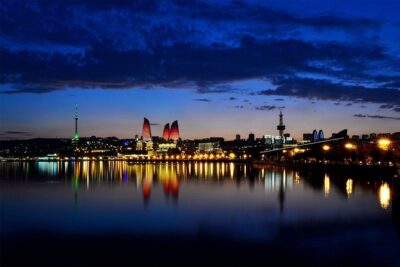

Browse the lists this tour appears in